Want to see Raider King content first? Add us as a preferred source.
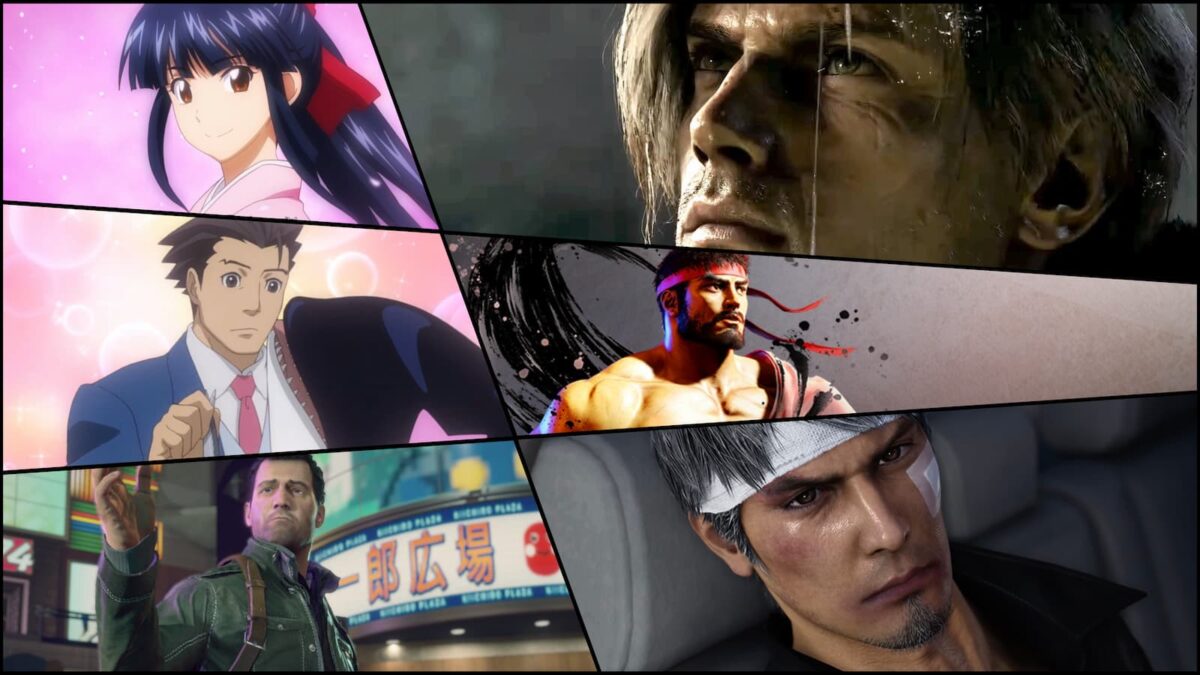
In 2016, fans of the Like a Dragon franchise said goodbye to Kazuma Kiryu for one last time as Yakuza 6: Song of Life retired the character. One year later, Sega would release Yakuza Kiwami 2, a remake of Kiryu’s second adventure. Two years after that, the franchise would introduce its new protagonist, Ichiban Kasuga, who actually fought against Kiryu in the middle of the game, in a moment that was meant to pass the torch from one protagonist to the next.
Three years after that, Like a Dragon Gaiden: The Man Who Erased His Name was released, a short spinoff title in which gamers would once again be able to play as Kazuma Kiryu. The next entry, Like a Dragon: Infinite Wealth, would have Ichiban and Kiryu share a dual protagonist role. Here, Kiryu would be dying of cancer, so fans of the franchise could, yet again, say goodbye to him one last time.
The ending of the next title, Yakuza Pirates in Hawaii, talks about how Kiryu will likely survive the cancer and get to go on even more adventures.

With the release of Yakuza Kiwami 3, yet another remake of an older title starring Kiryu, fans have gotten sick of this repeated plot point of Kiryu finally being put to rest, only to then be brought back in the next game. It’s one of the franchise’s biggest narrative flaws, and despite everything, it doesn’t seem like the Dragon of Dojima is going anywhere.
Like a Dragon isn’t the only franchise facing this problem, though. It isn’t even the only franchise releasing a game in February 2026 with this issue. To be frank, it feels as though the video game industry as a whole has a problem with letting its protagonists rest as they age, to the detriment of their narratives and other characters in the cast.
Next week, Capcom will be releasing Resident Evil: Requiem. This title’s protagonist was revealed as Grace Ashford, who (while related to an older character) is the series’ first female protagonist in a mainline entry since Resident Evil 0’s Rebecca Chambers. Granted, one could count Sheva from RE5 or Sherry from RE6, but Capcom themselves do not refer to these characters as protagonists in marketing. Instead, they serve as bodies for co-op, with no more depth than Piers Nivans.
One could be forgiven for forgetting that Grace is the protagonist of Requiem, though, as ever since Leon S. Kennedy was revealed to be playable at the 2025 Game Awards, the entire marketing campaign of this title has been centered around him.
Old Man Leon is the game now. Grace has been pushed to the side of key art as Leon, who starred in the series’ two most popular games, is pushed back into the spotlight. Recent snippets of the game from events like the February Nintendo Direct spend most of their time highlighting Leon’s gameplay while further sidelining Grace. I certainly hope she gets a fair amount of screen time when the game actually releases, but my hopes are growing dim.
While Leon hasn’t said goodbye to the audience on four separate occasions like Kiryu, it still feels incredibly flimsy for the series to be overshadowing a new female protagonist with him.
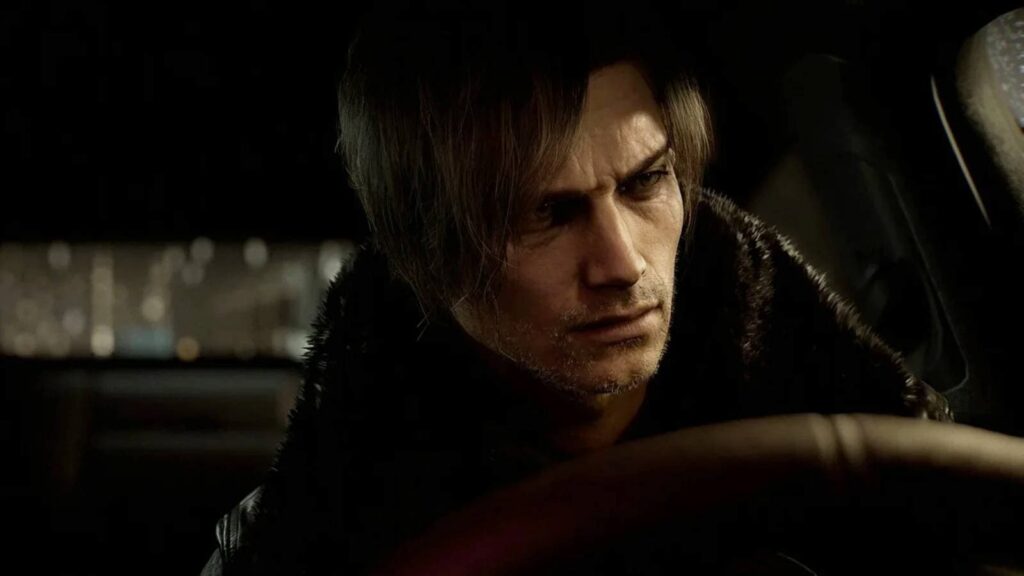
This isn’t a problem unique to him, either, as Leon isn’t even the first example of Capcom being afraid to let go of a protagonist who fights zombies. Dead Rising fans had to deal with this exact same situation years ago with its protagonist, Frank West.
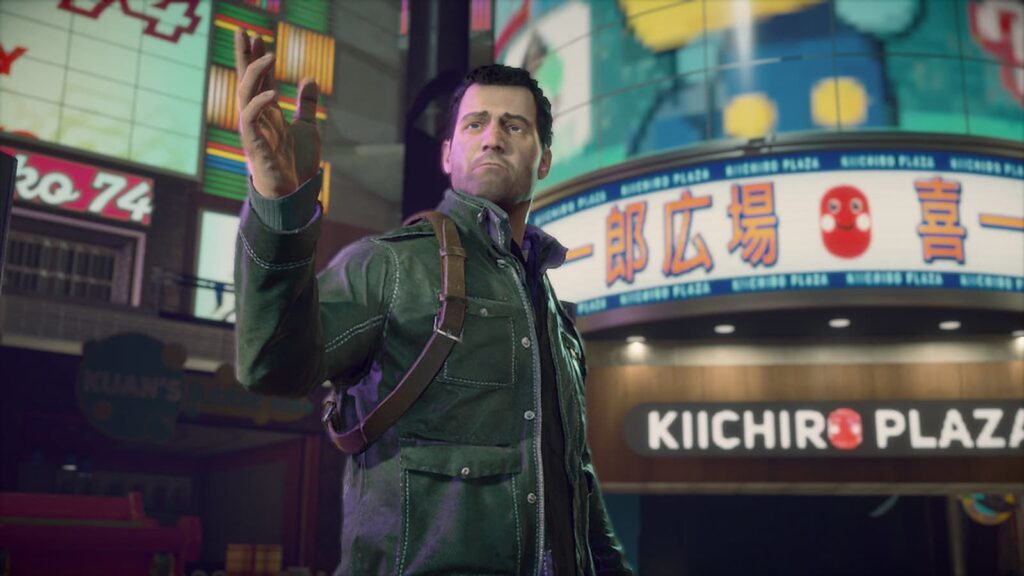
Frank West is the face of Dead Rising, representing the series in many fighting games and other crossovers like Project X Zone. Yet despite that, he wasn’t the protagonist of Dead Rising 2…at least at first.
Dead Rising 2 starred an entirely new protagonist named Chuck Greene, and while there was a DLC scenario where Chuck and Frank team up, this was a great way to continue the franchise without it growing stale. Unfortunately, it was not meant to last as, one year later, Capcom would release Dead Rising 2: Off the Record. This reimagining of Dead Rising 2 ditched Chuck entirely, and instead made Frank the protagonist.
While Off the Record is considered to be a non-canon entry and Dead Rising 3 would have an entirely new cast, Frank’s status as the face of the franchise made the title that would ultimately become Dead Rising 4 almost inevitable.
Dead Rising 4 sees an older, more jaded Frank West dragged back to the setting from the first entry in order to do one last job. All of Frank’s original character traits and flaws, like being a sleazy reporter, have been shaved away and replaced with tired snark and an “I’m too old for this” attitude.
Like a dusty old G.I. Joe toy, Frank West is thrown around the sandbox of Willamette Mall, parroting catchphrases and snappy jokes in order to sell this product to gamers who remembered playing the original games years ago.
Sometimes, a franchise’s entire narrative can be thrown in the garbage for the sake of nostalgia and refusal to pass on the torch, as Ace Attorney fans are all too happy to rant about. When the franchise’s fourth mainline title, Apollo Justice: Ace Attorney, was released, it took the series in a completely new direction that was controversial at the time.
While Ace Attorney was always a parody and deconstruction of Japan’s unfair legal system, Apollo Justice turned this aspect of the franchise from just being a background detail to being the main narrative. The legal system is more corrupt than ever. Defense attorneys cheat as much as prosecutors; fake evidence is accepted without proper examination, and no defendant is truly innocent of anything. The previous protagonist, Phoenix Wright, is not a traditional mentor figure but a mean-spirited activist who sees that the entire system needs to be reformed.
Perhaps the most important case for this game’s themes is the third case, Turnabout Serenade, where the legal system would prefer to insist that a blind child who wouldn’t even be able to fire the gun used as the murder weapon is guilty, rather than admit that the actual culprit was a member of the police department.
So how did the next game, Ace Attorney: Dual Destinies (which had a different director than the first four games), follow up on this narrative? By pushing Apollo aside, putting Phoenix back in the protagonist chair, and sidelining every theme brought up in Apollo Justice. The stance taken by this title is that every issue with the system in that game could be solved by arresting a single bad man.
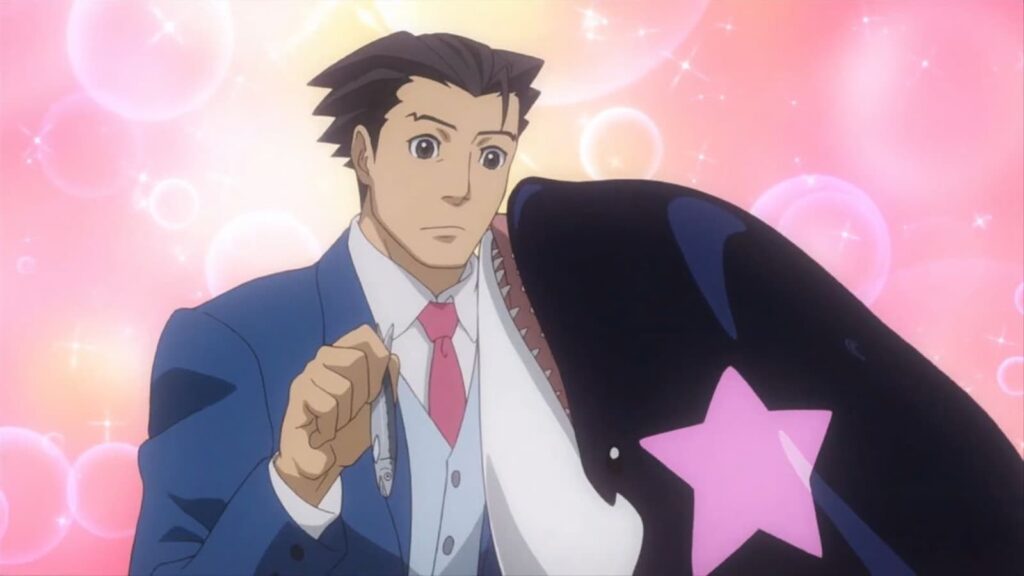
In exchange for these thrown-out plot points, fans got to see Phoenix wear a blue suit and object against Edgeworth in court again. For added nostalgia, you can purchase the DLC case where Phoenix has an orca testify in court while reminiscing about when a parrot did the same thing in the first game.
I could go on listing examples for days, as it feels like every long-running video game franchise these days is stuck with the same “Pulling an old man out of retirement” narrative. Nothing can ever move on; time must stand where it was two decades ago.
For as much flak as Assassin’s Creed’s constant releases receive, that series at least had the grace to end Desmond’s story after five games and only brought him back for a brief cameo in Valhalla. Granted, that franchise has struggled to create a new narrative for its Templar antagonists, but at least they had the dignity to not do the exact same plot every other studio is doing.
That said, this is far from a problem that plagues just the games industry, as it seems like nearly every major medium is dealing with this on some level. From Star Wars being forever stuck in the era of the original trilogy, to Downton Abbey’s Mr. Carson still working as a butler in his late 70s, no fictional character can ever truly move on with their lives and be replaced.
It’s become a trope in of itself for there to be action movie sequels about the original protagonist coming out of retirement for one last job. This is so common and has been going on for so long that It’s Always Sunny in Philadelphia had an episode in 2019 parodying the concept and had no shortage of jokes associated with the trope to pull from.
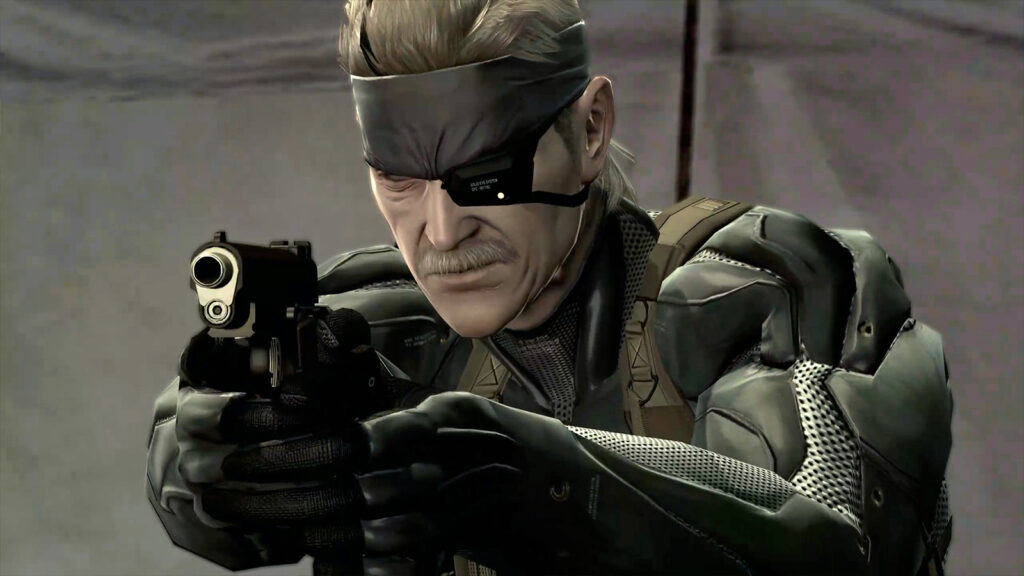
Even some video games have attempted to deconstruct this cliche. 2008’s Metal Gear Solid 4 played with the concept of nostalgia and dragging an old man out of retirement, like many action movies at the time such as Indiana Jones were doing. The fourth chapter of this title is all about revisiting Shadow Moses from the first Metal Gear Solid, and getting players ready for a good ‘ol nostalgia fest, as we would later see from games like Dead Rising 4 and Like a Dragon: Infinite Wealth’s Kiryu sections.
Except, it’s not like any of those other titles. Shadow Moses is silent. There is just as much rust on the ground as there is snow. No one is here, just the ghosts of the past. It’s sad and reflective, making the player question what they truly wanted out of a narrative about a protagonist coming back as a depressed old man. The background music might say that the best has yet to come, but the reality in front of your eyes says otherwise.
Metal Gear Solid 4 isn’t a perfect game and has some narrative issues, but one cannot deny that it has so much more to say about its protagonist and why bringing them back is justified than series like Resident Evil, which seem to be jingling Leon in front of their audience like car keys.
I just wish video games weren’t so afraid to pass the torch. I can only handle seeing Kiryu talk about how he’s going to have the final fight of his life so many times before I feel nothing. This narrative has been dragged out far too long to continue doing.
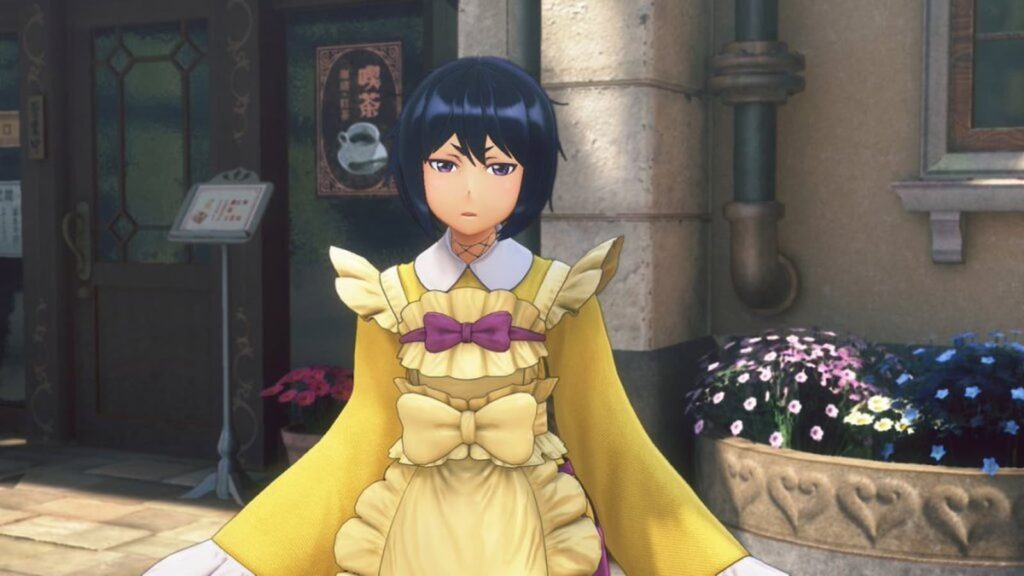
Now, there are admittedly times when passing the torch can fail, feel unsatisfying, or be controversial. To use a Sega game that was released the same year as Yakuza: Like a Dragon and its torch passing as an example, 2019’s Shin Sakura Wars’ passing of the torch has been the source of controversy for years.
Like many soft reboots, Shin Sakura Wars takes place over a decade after the original games and stars an entirely new cast. The old characters, with the exception of Sumire, who had retired in an old OVA, do not return at all in this title. That would all be fine and dandy and would be worthy of praise, if not for the reason why they’re gone.
The original Sakura Wars cast is currently trapped in another dimension called Shadow Tokyo. What that actually entails is currently unknown, as the plot point itself is very vague. Some fans interpret this as them simply being in a state of timeless limbo, where they’ll be ready to come out and save the day again without having aged a day. Other fans interpret this as the cast having been sent to hell.
Whether or not Shin Sakura Wars is a good game is rarely the subject of debate, as all focus online goes to how it wrote out the original cast. Everything else is secondary, and because of that, this can hardly be considered a successful passing of the torch. It’s hard to imagine, but somehow the original cast was able to overshadow the new one without actually being in the narrative.
Now, despite this controversy and my love of the original games, though, if the next Sakura Wars game isn’t a continuation of this narrative and is instead a new game that completely ignores Shin and is about the old team coming back together for one last journey, I will bemoan it just like I did every other example in this article. The series can do better than that.
This industry can do better than this. A franchise should be allowed to move on from its original protagonist, tell new stories, or even end. I truly hope that, as gamers increasingly grow tired of narratives like Kiryu’s repeated comebacks, that things can change for the better.