Want to see Raider King content first? Add us as a preferred source.
Gacha games are one of the most interesting sub-genres in gaming. Despite all being categorized under the same label, there is a lot of variety in how these games tackle their gameplay and visuals. Or at least, that’s how things were in the 2010s. In recent years, there has been an effort by several different companies to homogenize the genre and make nearly every new title released identical.
Below are three screenshots showcasing gameplay in Fire Emblem: Heroes, Fate/Grand Order, and Azur Lane. Three gacha games, which began in the mid-2010s and are still running to this day. Despite all of them falling under the same genre, they cannot be more different from each other from both a visual and gameplay perspective.
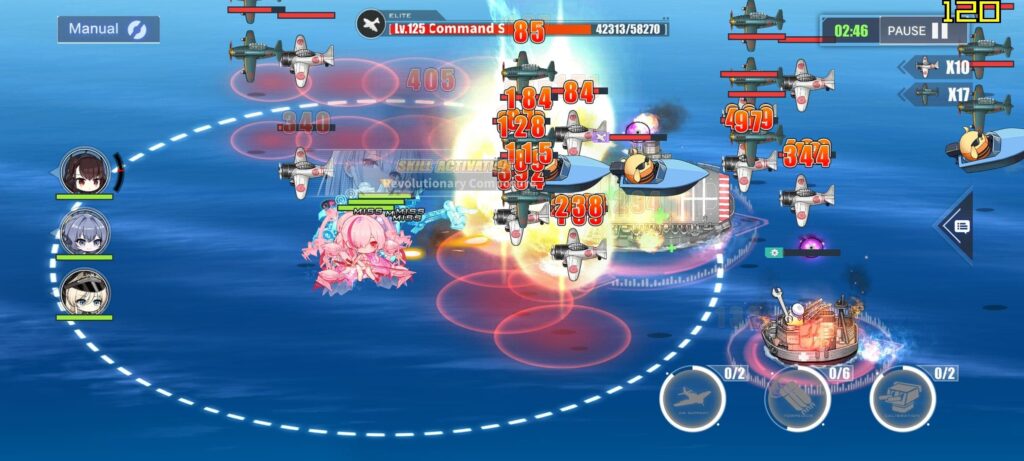
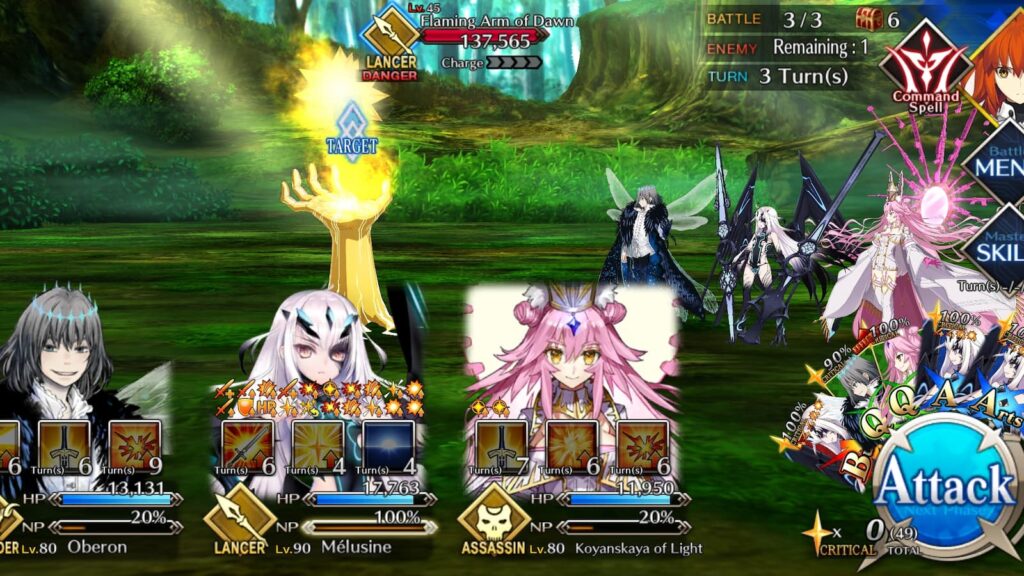
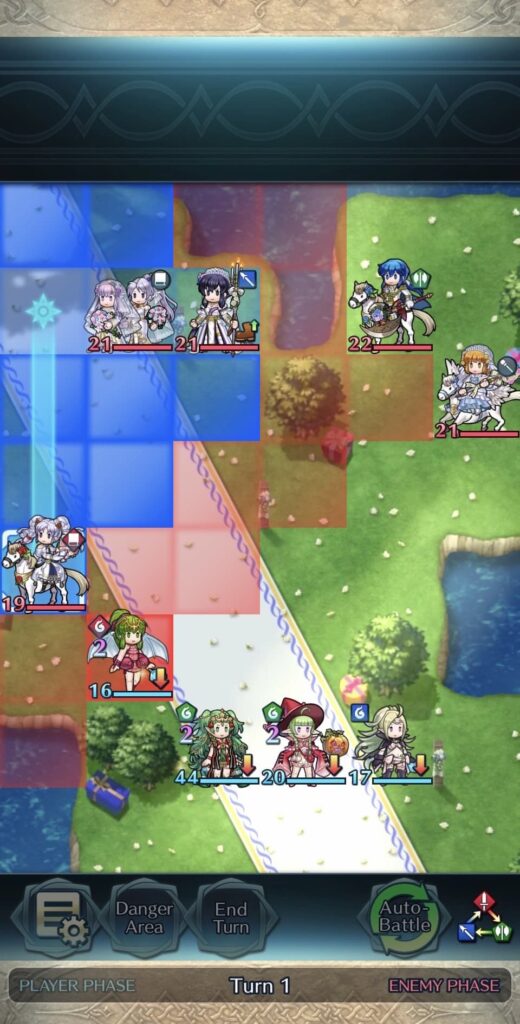
Fire Emblem: Heroes is a vertical SRPG where the player moves chibi versions of their Fire Emblem characters to fight enemies. Fate/Grand Order is a horizontal JRPG where the player must strategize and select cards to use during combat. Azur Lane is a side-scrolling shooter where your characters automatically attack enemies while you activate skills. All three games are given the same label as a ‘Gacha RPG’, but they are wildly different due to their development teams taking the medium in a different direction.
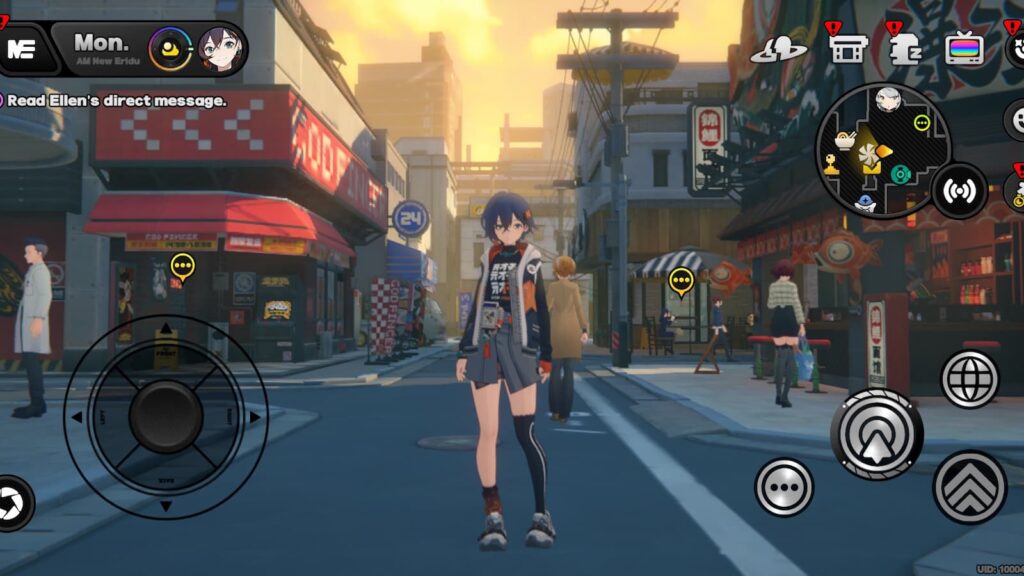
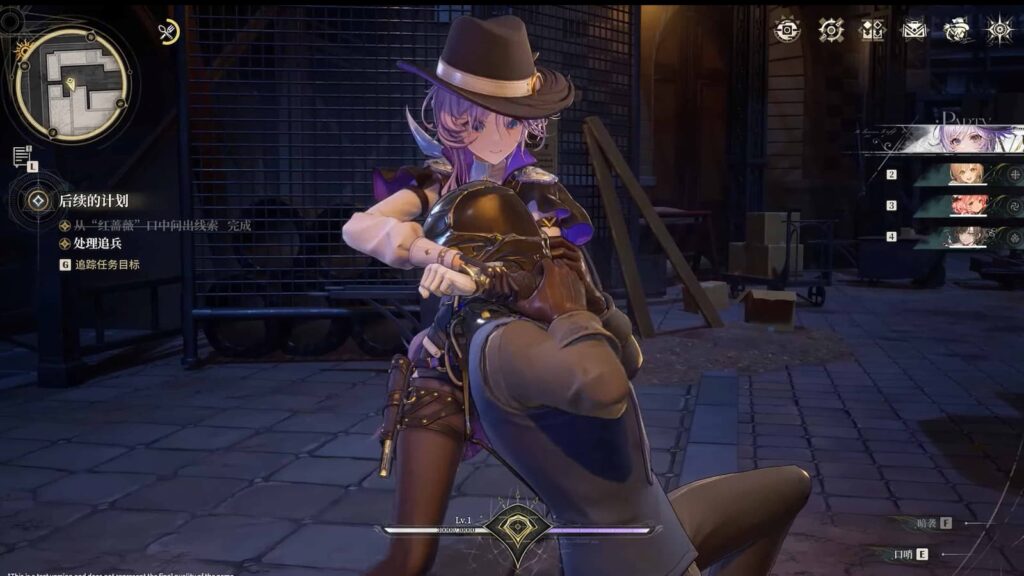
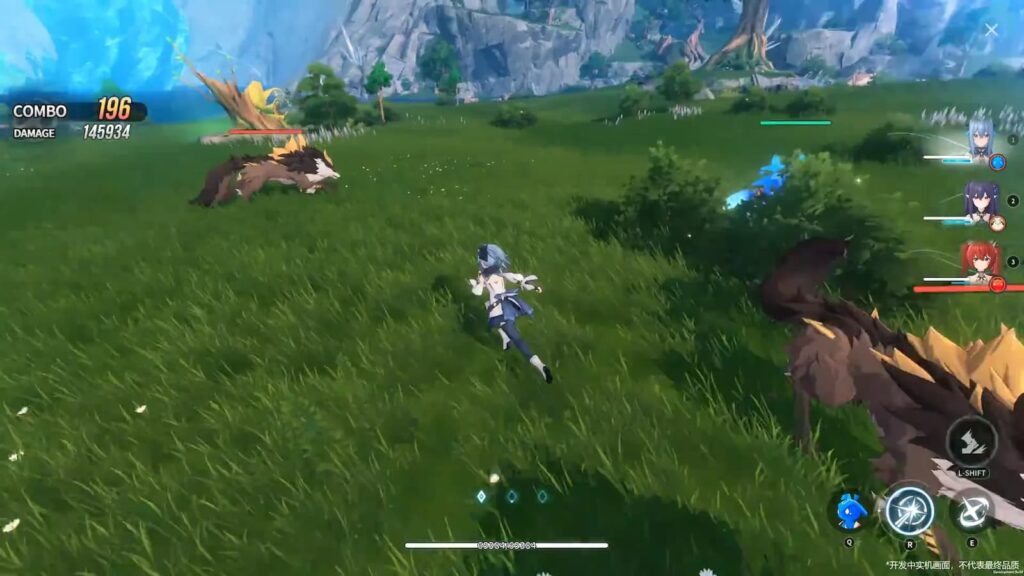
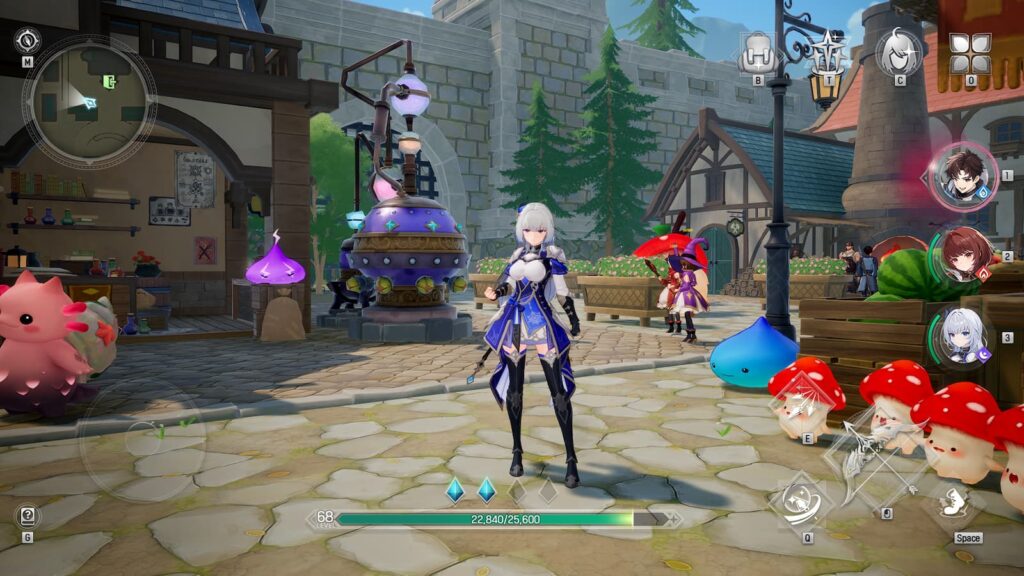
Now, here are three screenshots of Wuthering Waves, Neverness to Everness, and Arknights: Endfield. Three games from three different developers, which all share similar art styles, environmental design, and a near-identical UI. At a glance, one could be forgiven for thinking that these are the same game.
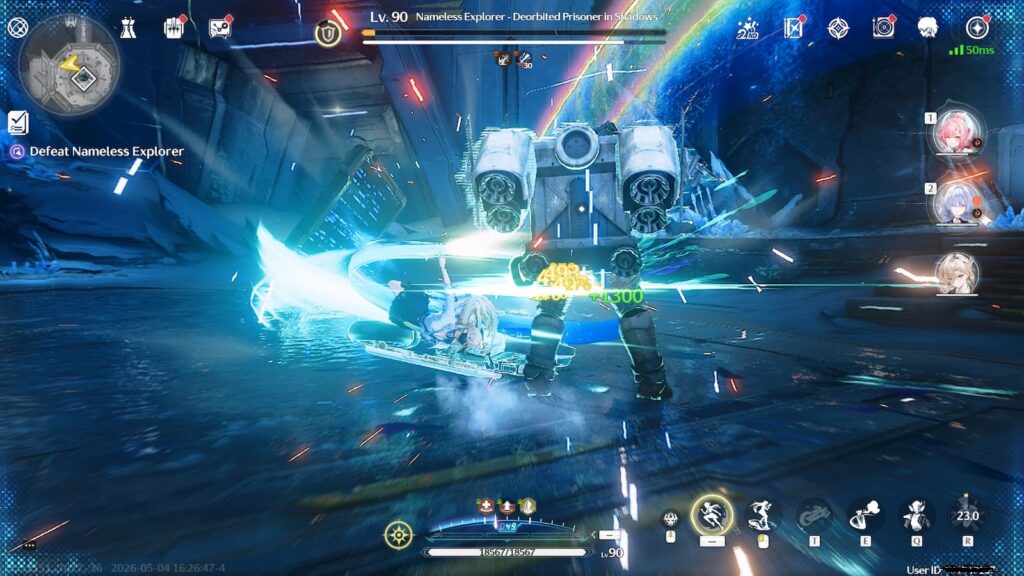
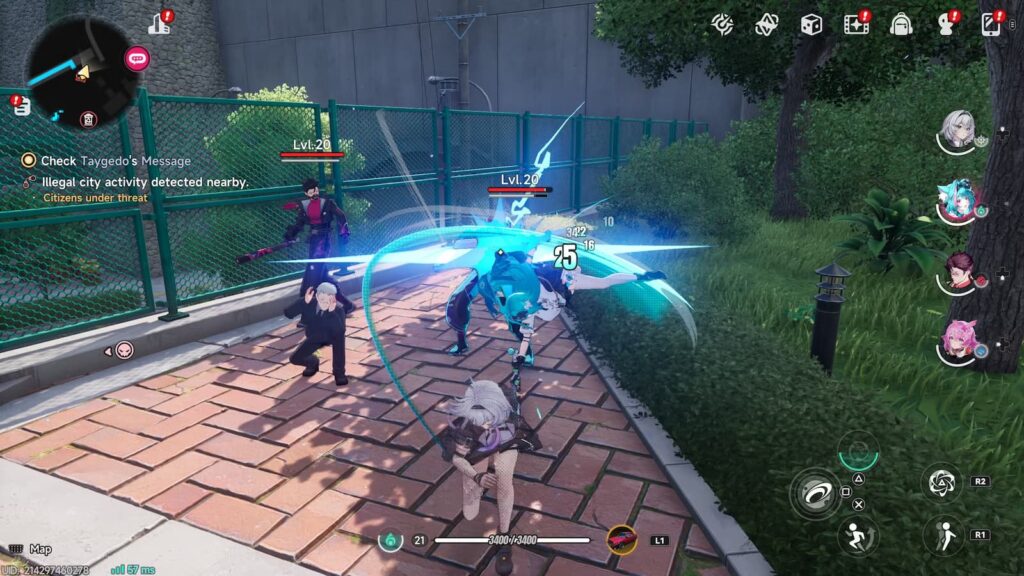
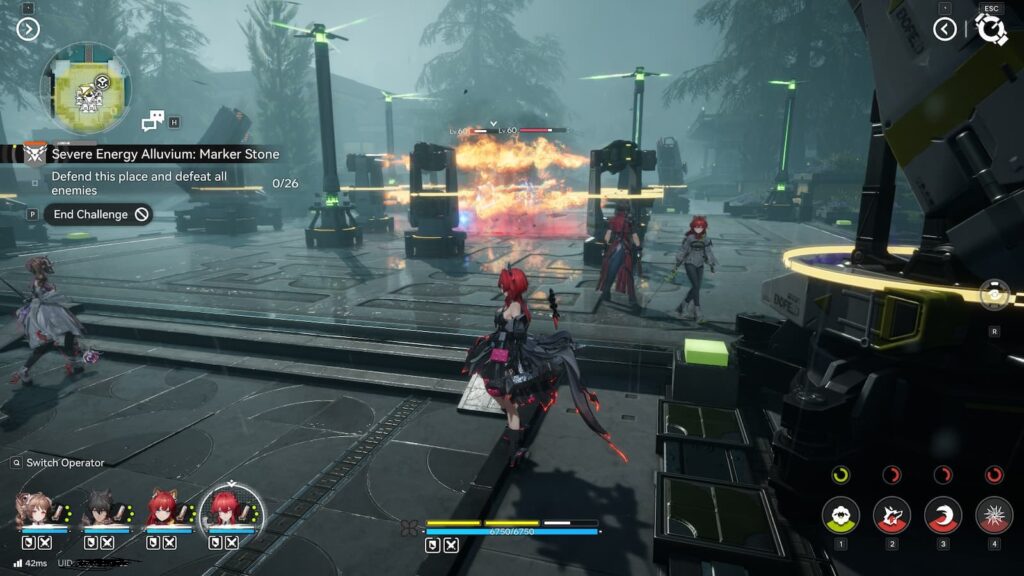
Map in the top left corner, the faces and health bars of party members you can take control of off to the side, buttons for activating and displaying the cooldown times of your skills taking prime real estate at the bottom of the screen, and of course, a few quick buttons to quickly lead the player to their party menu and the gacha pull screen in the top right corner.
Looking the same isn’t the only thing these titles have in common. All three games feature a gameplay loop of following quest markers from Point A to Point B in large open areas, where the player can occasionally deviate from the main path to open treasure chests or talk to NPCs to get side quests that also involve following quest markers.
Occasionally, the player will encounter enemies in these worlds that they can hit with light and heavy attacks or use a character’s skill on (which will go on cooldown after). Each party member and skill available to the player will have an attached element, with the game rewarding the player for attacking with the same element repeatedly by inflicting the enemy with a status effect.
Even if some gameplay aspects like their battle systems differ (Such as Wuthering Waves having a smaller party size than Endfield), their similarities far outweigh their differences. Any gacha game that attempts to be an Action RPG, in particular, follows the same template established by miHoYo’s runaway success: Genshin Impact.
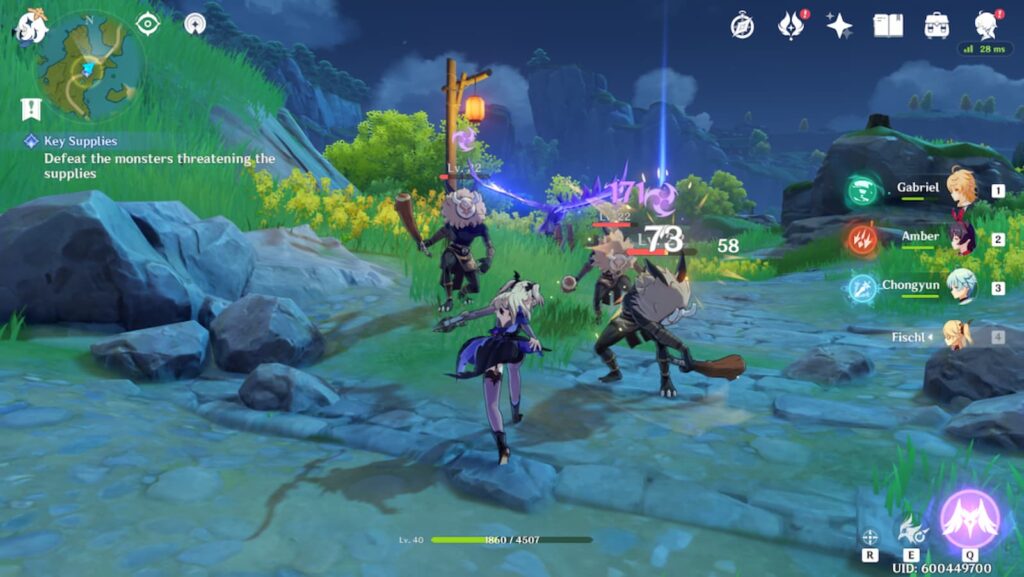
Genshin Impact took the world by storm in 2020. It is hard to put into words how successful this game was compared to other gachas that came before it. Within a few months, Genshin Impact broke into the mainstream consciousness in a way that not even Nintendo’s Fire Emblem: Heroes was able to. In 2024, it was reported that the game was earning over a billion dollars in revenue per year until 2024, when profits fell slightly to around 700 Million per year.
With numbers like that, it is by no means a surprise that other games in the medium are copying the Genshin Impact formula. The UI design and gameplay loop of all the games I mentioned earlier can be traced directly to the choices miHoYo made in Genshin Impact, and that upsets me.
It is incredibly sad that I can boot up a new Arknights game and be met with a gameplay experience almost identical to Genshin Impact when the original Arknights was so different from any other game in the genre. The original Arknights was a tower-defense game where the player would place their units on a field to face oncoming enemies. It is hard to imagine a style of gameplay more different than Genshin Impact, and yet that is what Arknights: Endfield resembles the most.
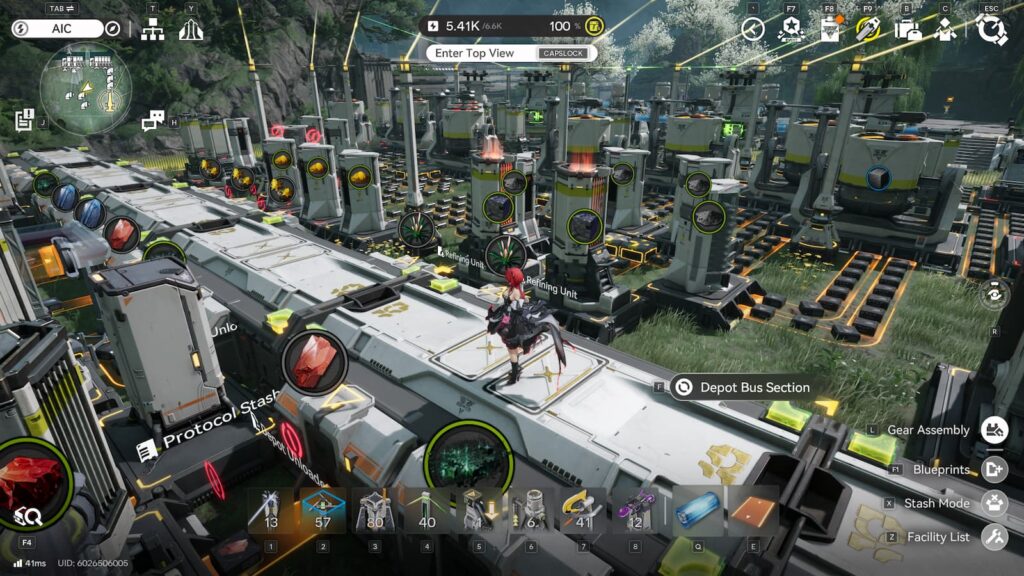
Why am I running around a field, hitting enemies with my ice character enough to freeze them, before I get distracted by a treasure chest in the distance instead of engaging in tower defense gameplay? Why must the gameplay copy the most financially successful game in the medium? Why can’t anything stand out anymore?
Even miHoYo themselves have been scared away from experimenting. The 2024 gacha game Zenless Zone Zero initially launched with a stage-based structure (via a system called HDD) that was wholly unique to it and helped it stand out from Genshin and Honkai. While this system wasn’t perfect and was met with a fair share of criticism, it was nice to see something new from the company.
Less than a year after the game’s release, it transitioned into the same travel from Point A to Point B design as their other gacha games, with the entire HDD system being removed with the game’s 4th chapter. With each patch, Zenless Zone Zero becomes more and more identical to Honkai: Star Rail, its entire identity being stripped away in order to fit in with the rest of miHoYo’s catalog.
When the company that redefined the gacha game medium to the point that everyone else is copying their formula isn’t willing to do something new, how can we expect anyone else to try? Creativity and unique ideas are being snuffed out before they can truly grow in order to chase after the immediate financial success of Genshin Impact.
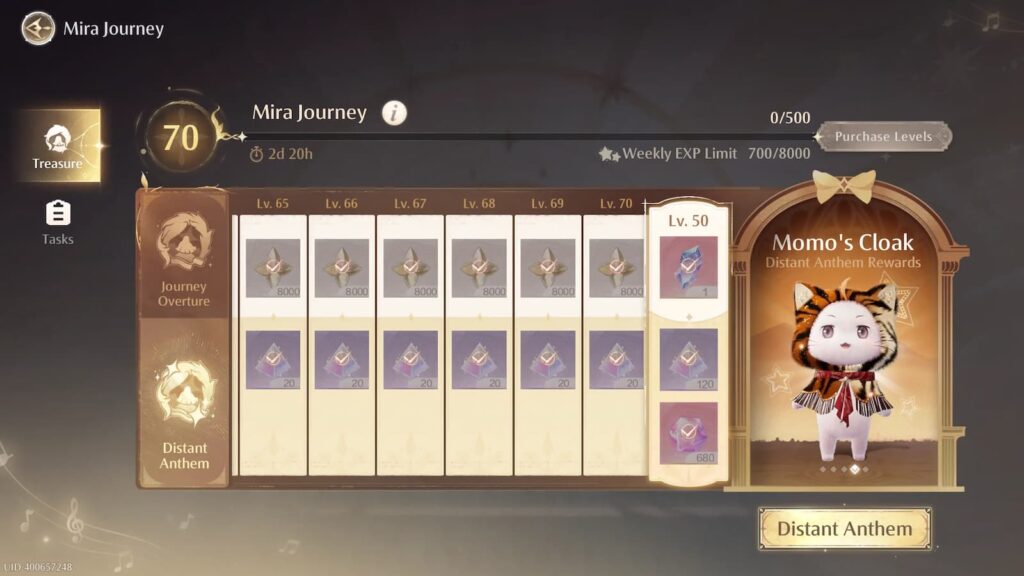
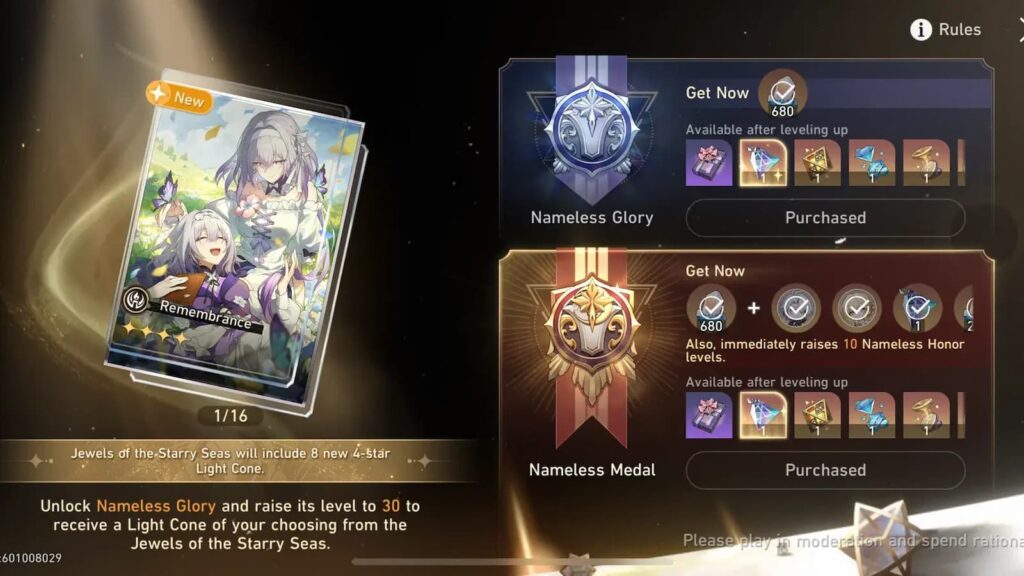
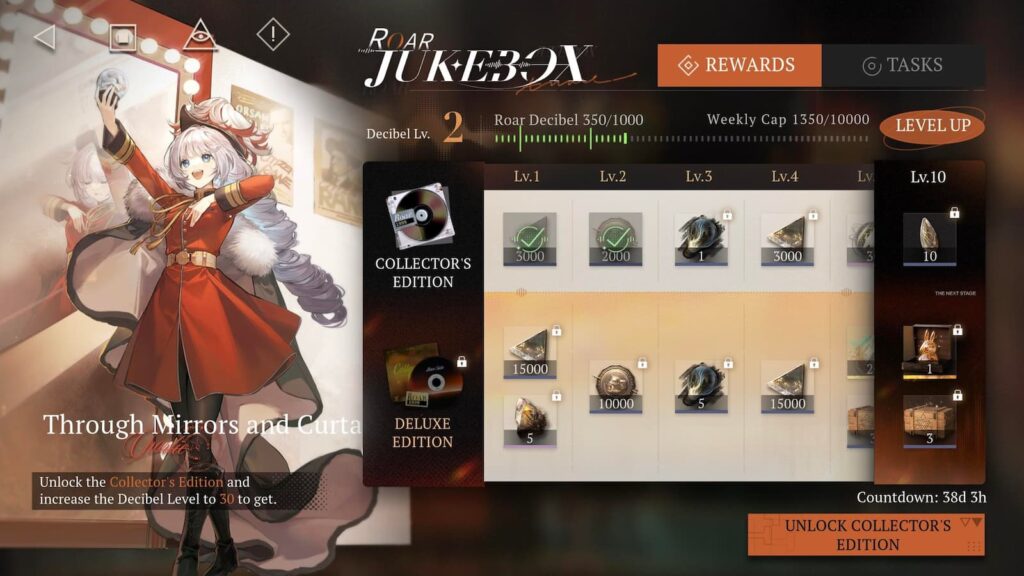
Speaking of Genshin’s financial success, another detail that has become identical for all games in the genre is their monetization systems. Now, this article is not about how gacha games are thinly veiled gambling and the dangers that they pose, there are many great articles about that from talented journalists, and analyzing neuroeconomics is outside of my purview. What I can comment on, though, is how much greedier things have become since Genshin stepped onto the scene.
Genshin Impact launched with both a battle pass system and a paid monthly log-in which would reward players who paid extra gacha currency for each day they logged in during that period. These battle passes often include materials used to level up your character quickly, avatars to show off to people on your friend list, and a smidgen of currency, which can be used in the game’s gacha. All of which aren’t necessarily needed to play the game, but are just tempting enough that the player will think about throwing an extra ten dollars at the game.
While miHoYo and Genshin Impact didn’t invent these extra monetization systems as they could be seen in other game genres beforehand, them being in the first gacha game that truly became a mainstream video game has infected every other game in the genre released since..
Every single 3D gacha game that has been released since Genshin Impact has had these exact same monetization systems, and like all other aspects of their UI, these look nearly identical to how they looked in Genshin Impact. Even some recent 2D gacha games, such as Reverse:1999, have copied these systems, making it perhaps the worst new staple of the genre.
The homogenization of gacha games doesn’t end at their gameplay loops and monetization methods, though, as it has also affected what some may call the most important part of the genre: character designs.
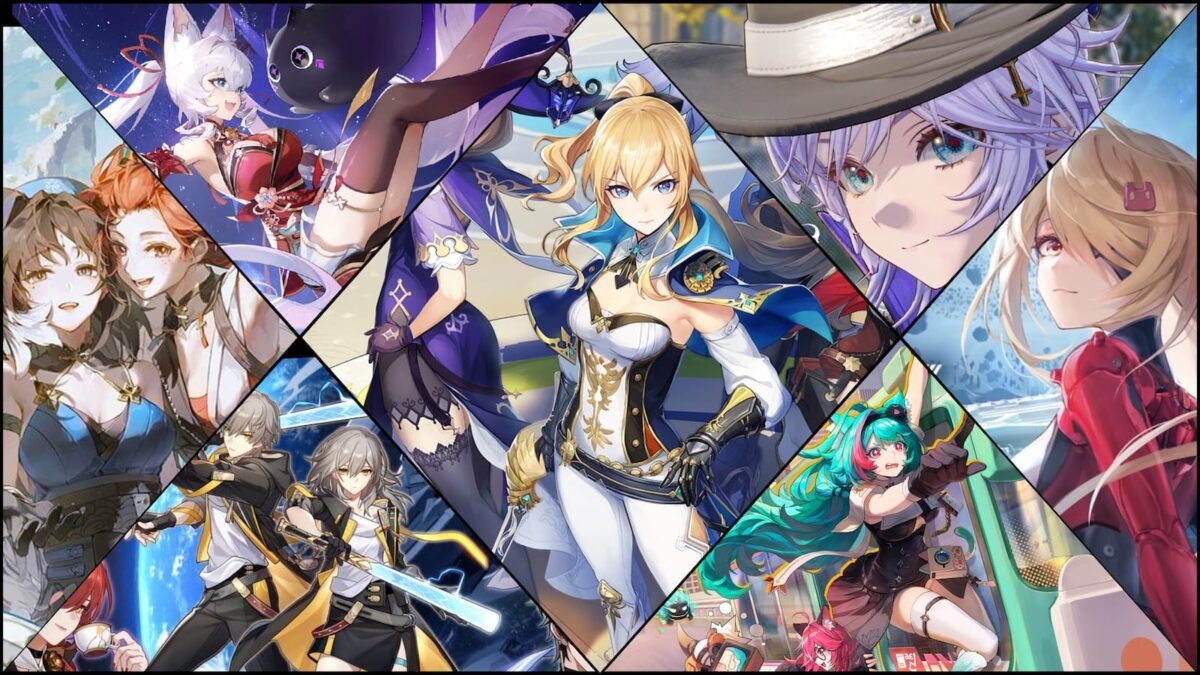
Gacha games live and die on their character designs; they’re what get players to actually spend money on the games and are a way of creating fandom as people share their favorite characters. However, in recent years, it has become clear that gacha game girls are becoming more and more similar to each other and gamers are taking notice.
I had originally planned to put together an article about a specific type of gacha character archetype, what games feature the most examples of that archetype, and how industry trends have caused less of them to show up these days. While I won’t be fully researching and writing that study, I can at least provide an answer here about why so many current gacha girls blend together: 3D models and how these games are made.
To use a miHoYo game as an example, Honkai: Star Rail has 8 body models. Boy, Lad, Male, Miss, Lady, Maid, Girl, and Kid. Every single character in this game uses one of these models as a base, with edits made to them in order to fit the character they represent. While this may not seem like an issue early on, as the game only adds about one character per month, when your game has a multi-year lifespan, then of course complaints about most characters having the exact same body proportions will begin to rise.
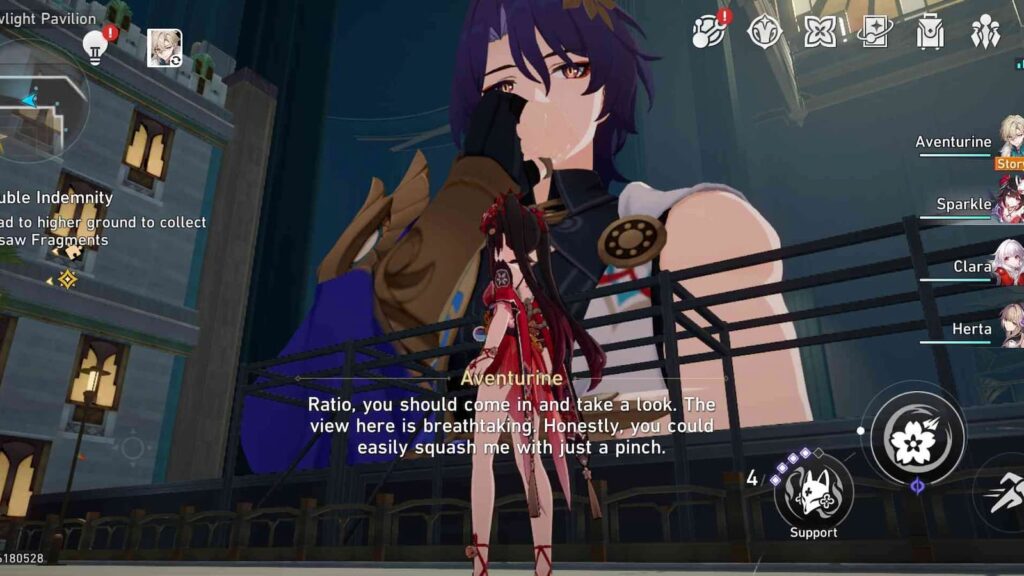
Honkai: Star Rail is far from the only gacha game to do this. It’s simply efficient game design to develop new character models like this, but it’s a limitation on the medium that didn’t exist when the average gacha was composed of 2D portraits and sprites.
On some level, it’s hard to blame these game developers for copying the Genshin formula. This formula has been proven to work extremely well, not only making miHoYo one of the most financially successful companies in the gaming space but earning those who copied them, like Kuro Games, a pretty penny as well. It would be foolish not to follow the most successful formula when the cost of making these games has only risen.
Silver Palace, Azur Promilia, and Mongil: Star Dive have all been in development for several years now with huge dev teams, have large open worlds that the player can explore as they wish, and have many fully animated cutscenes with voice acting for each character featured in them. While there aren’t exact numbers for how much money each of these games cost to develop, it couldn’t have been cheap.
It’s just a fact that the current trend of 3D gacha games with full worlds costs more to develop than the 2D gachas of the 2010s did. The more expensive a game is to make, the more it absolutely needs to gain a fanbase and at least a few whales. The idea of taking a risk with your gameplay or visual design when you are going to invest so much money into your product must be terrifying.
It’s hard to see this change in the game as anything other than miHoYo changing the game out of fear of not making their investment back. Experimenting is a gamble, and the only people who are allowed to gamble in the gacha space are apparently the players.
The modern 3D gacha game landscape is currently filled with similar looking characters going through identical gameplay loops, all using the exact monetization system with a very similar UI. The question now is, when does this all come crashing down?
Gacha games are not in a good place right now. While the most profitable ones like Genshin Impact can stay active, every week we are seeing more and more close down. These shutdowns have included new games which tried to break into the space like Goddess Order and 404 Game Re:Set to old ones which have been around for years, like Dragon Quest TACT and Alchemy Stars.
How long will it be before one of these high profile, in-development for years, open-world 3D gacha games launches and just fails to reach an audience? The market can only support so many of the same type of game. Eventually, this subsection of gaming will run into the same wall that other live-service games like Extraction Shooters (A genre which now has many high profile failures) have hit.
The idea of so many people’s hard work going to waste like that makes me sick, but I cannot help but see it as inevitable as this trend continues. I am hoping for the best with this medium’s future, but when every new gacha announced follows the same formula, I cannot say I am optimistic at this time. Maybe, if we’re lucky, in a few years the medium will see another major shift in a way where creativity and standing out from the crowd is emphasized as the most important part of a gacha. That would be the healthiest direction for this sub-genre.