Want to see Raider King content first? Add us as a preferred source.
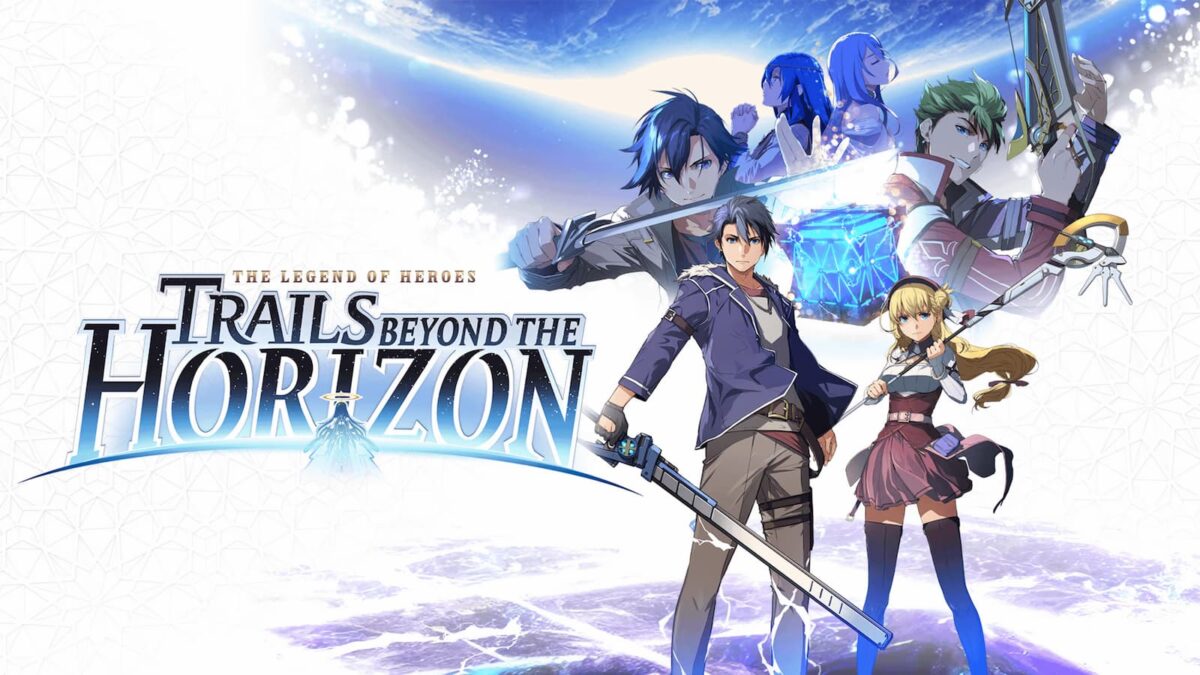
On January 15, 2026, NISA America finally released the localization of Falcom’s The Legend of Heroes: Trails Beyond the Horizon. This title is the most recent story in the ever-growing Trails Franchise, and it continues the current Calvard arc as well as evolves the franchise’s battle system ever further. This title is designed to be impenetrable by newcomers to the series due to being the thirteenth chapter in a saga, but it does promise to begin a thrilling climax of the arc for fans who have been following the story over the last few years. As such, this review will primarily be looking at the game from the perspective of a fan, judging how the gameplay and world design of the game have changed from prior titles, for better and for worse. With all of that out of the way, let’s pick apart The Legend of Heroes: Trails Beyond the Horizon and judge for ourselves whether or not this title is worth gamers’ time.
A Near-Perfect Battle System
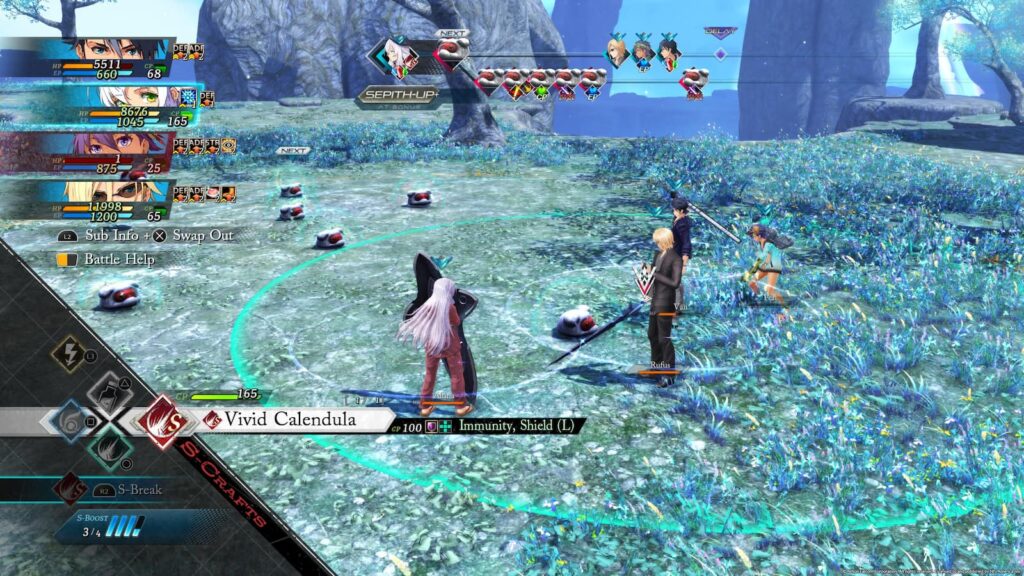
Trails: Beyond the Horizon features the same turn-based battle system that the Trails franchise has been using since it began, one where the player has full control over where each party member is standing during battle, as you must keep the position of your characters and which direction your spells will fire in mind each turn. This battle system has always been fun and thrilling, and remains so here. While there have been little to no changes to how actions like Arts and Crafts work, there really doesn’t need to be at this point in the franchise, as those mechanics have already been fine-tuned over the course of two decades.
Like the previous games in the Calvard Arc, the player is also able to fight against enemies in Action-RPG styled field battles, allowing them to cut down the health and stun a whole group of foes before they even engage in the turn-based battles. Of course, the same remains true of enemies, as they can also cut down a large amount of your health if you aren’t careful while fighting on the field.
The English release of Horizon, occurring only a few months after the worldwide release of Trails in the Sky 1st Chapter, leads to an interesting point of comparison between the two games. While 1st Chapter scaled back the amount of gameplay mechanics available to the player in order to fit the more simplistic nature of the Sky Trilogy, Beyond the Horizon holds nothing back and bombards the player with dozens of different mechanics right out of the gate.
SCLM Chains, Supports, a party of eight characters + 1 Extra character, ZOC Boosts, the list of mechanics that are in play at any moment during battles can be downright intimidating if you aren’t fully familiar with the Trails battle system. However, despite the massive amount of mechanics at play, the system never feels bloated because of how many of them play into each other or are passively in the background as you perform other actions
Beyond the Horizon and the 1st Chapter are both attempting to accomplish separate goals with their game design. The more simplified battle system of 1st Chapter is perfect for fans who are just starting the franchise to dip their toes into this unique style of gameplay, while Horizon is clearly designed for longtime fans who are used to everything this series can throw at them.
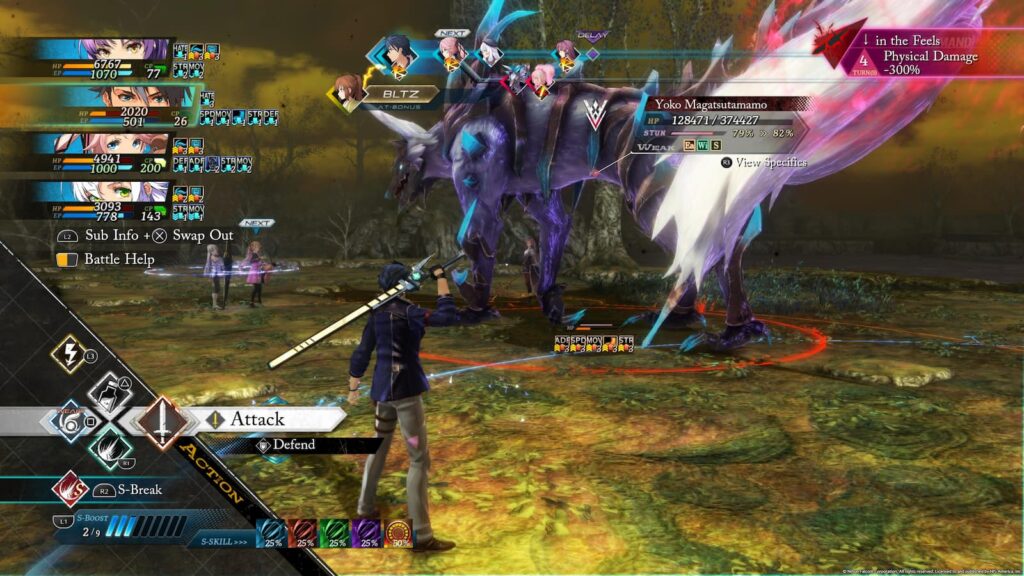
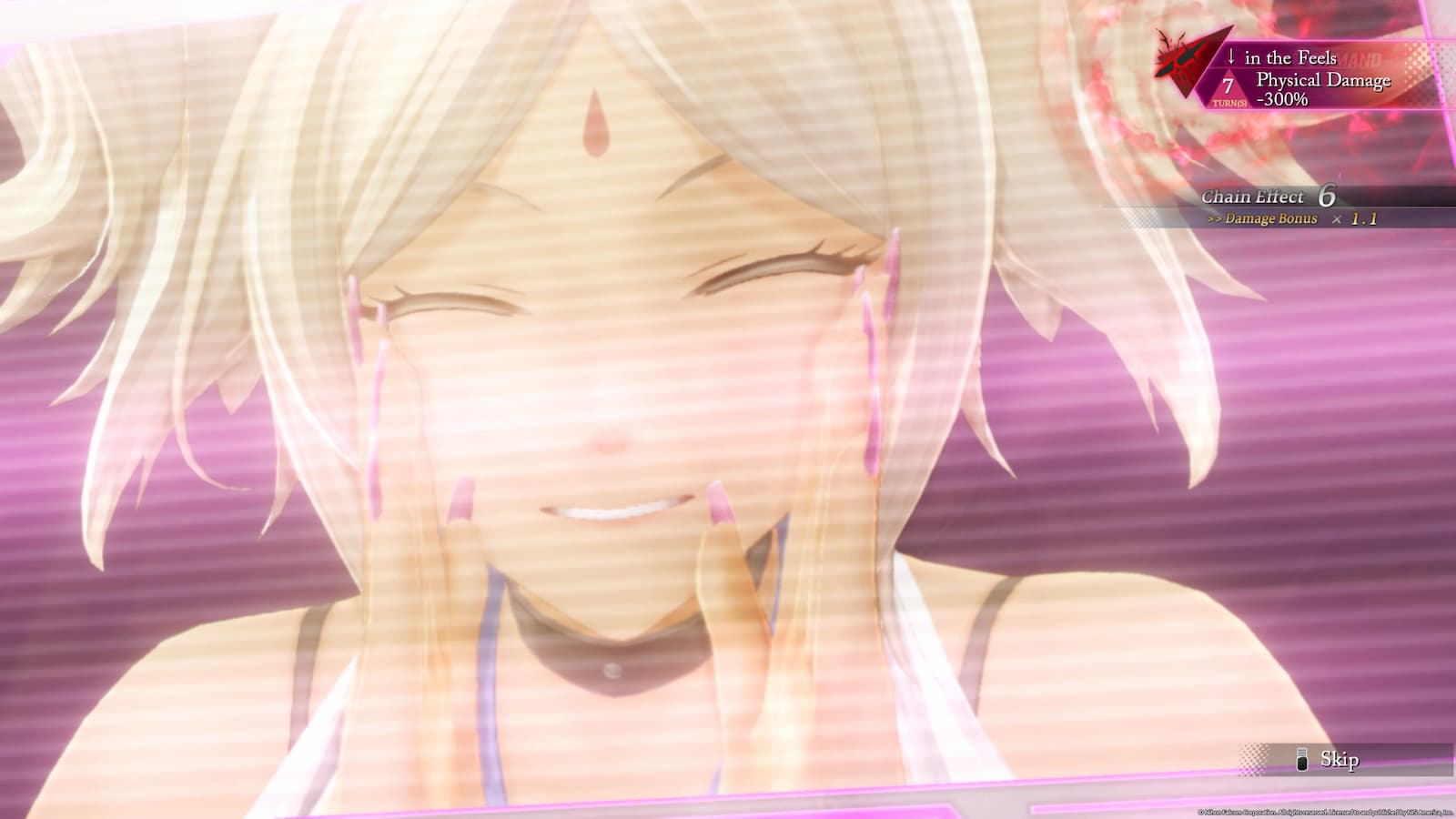
One of the most interesting mechanics, one entirely new to Trails Beyond the Horizon, is Shard Commands. These are passive skills that both the player and enemies can activate during combat, which provide various effects such as halving the amount of damage you take or increasing your Arts damage by 60%. Conversely, enemies can also decrease your defense or pull off some truly evil moves like reducing the amount of damage your physical attacks do by 300% for eight turns.
While the existence of passive skills like this would be interesting on its own, what truly makes Shard Skills an incredible mechanic is the resource they take, as using a Shard Command will usually require two or three of the player’s shard boost meters, the same resource that you must spend if you want to use a character’s S-Craft.
The Trails franchise’s battle system has always had a small issue where spamming S-Crafts could trivialize battles. While Falcom has attempted several times in the past to fix this, their attempts have always felt too restrictive and have rarely lasted more than a single game. Shard Skills, however, are an excellent way of getting the player to actively choose to use S-Crafts less, opting to instead use a passive that will either help them survive or do more damage later. while you build your shard meter back up.
This act of player choice, a relatively small aspect of the battle system, can make a world of difference for a mechanic like this. Having the ability to use a powerful attack, but making an active decision to hold back in case I need to counter an enemy’s own Shard Command in a turn, really made battles in Daybreak feel different from any other Trails game, something that is very important for a series that has had a single battle system for thirteen games now.
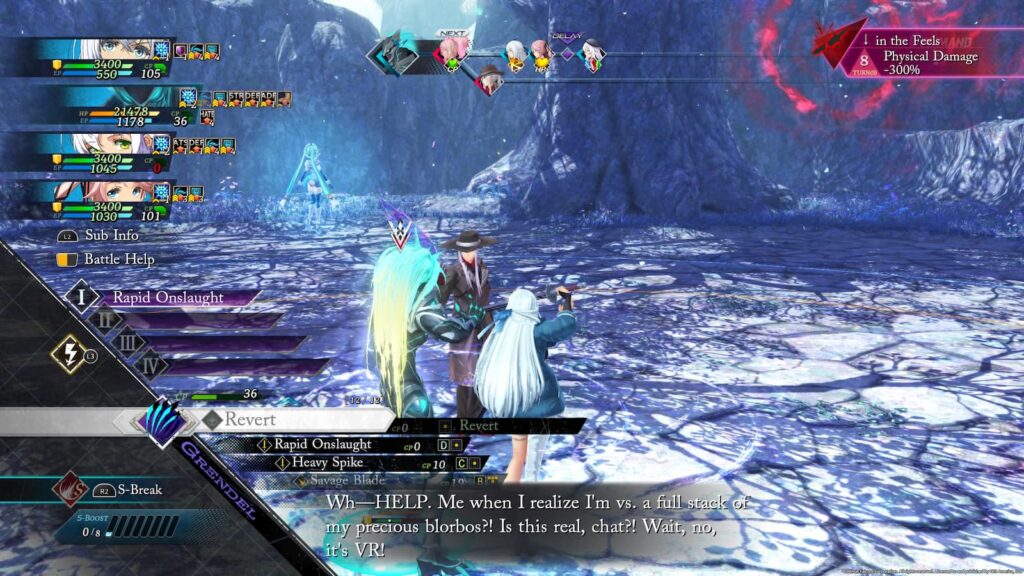
I would go as far as to say that Shard Commands are a larger evolution to the Trails battle system than even the major additions introduced in Daybreak, such as Field Battles. Because this truly builds off of the combat system’s fundamentals and feels like a natural way of shifting the flow of combat without doing something new entirely. While the system certainly needs some work, such as balancing what types of bosses have which Shard Commands and perhaps add some more types of them, I truly hope that this mechanic becomes a series mainstay from this point onward.
One complaint I unfortunately have to voice with the game’s combat comes from the boss design, or rather, how much the game relies on a single status effect: Fear. When a character is inflicted with this status, they are unable to perform any action aside from using items, forcing the player to either wait it out or cure them. This status effect existing is fine and expected, but due to nearly every boss in the game’s second Act being able to inflict this status on the player, it quickly overstays its welcome and leads to these encounters feeling repetitive.
This problem could easily have been solved if more bosses in this middle section of the game had more interesting statuses they could inflict the party with, as Beyond the Horizon rarely makes use of its more interesting debuffs, such as Venom, which is an infectious poison that damages not only the inflicted character but also anyone they’re standing around. This is such an interesting debuff that could only exist in Trails’ unique battle system, and one I wish appeared more often compared to a relatively normal status like Fear.
An Unfortunate Lack of Locations
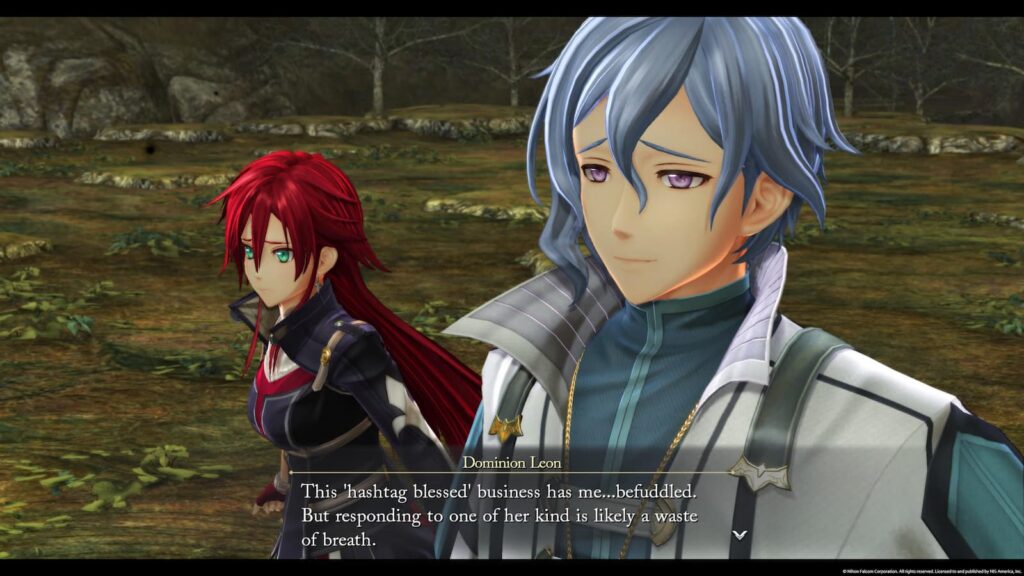
While the basic gameplay of Trails Beyond the Horizon is nearly perfect, I have less positive things to say about its world and dungeon design. The Trails gameplay loop of running around and doing quests for characters in town before venturing off to a main plot point, fighting a boss, and then repeating the process remains this many games in, but the way Horizon handles this gameplay loop feels very flawed.
Instead of exploring the country of Calvard and going to many locations, Van and his party will be spending almost the entirety of the game in the city of Edith, only occasionally venturing outside of it. While Trails has had hometowns like this in the past, something about how Edith is handled in this game feels wrong. The game feels claustrophobic, like there is nothing else to it, and I believe that issue is a result of one feature: The Grim Garten.
The Grim Garten, like the Marchen Garten before it, functions as a randomly generated dungeon that the player must visit every other chapter in order to both strengthen their characters and advance a side plot dealing with Ouroboros. Despite appearing like a side-activity, any player is certainly going to spend at least half of their playthrough in this area, as it is much larger than the few dungeons that actually exist in Calvard itself.
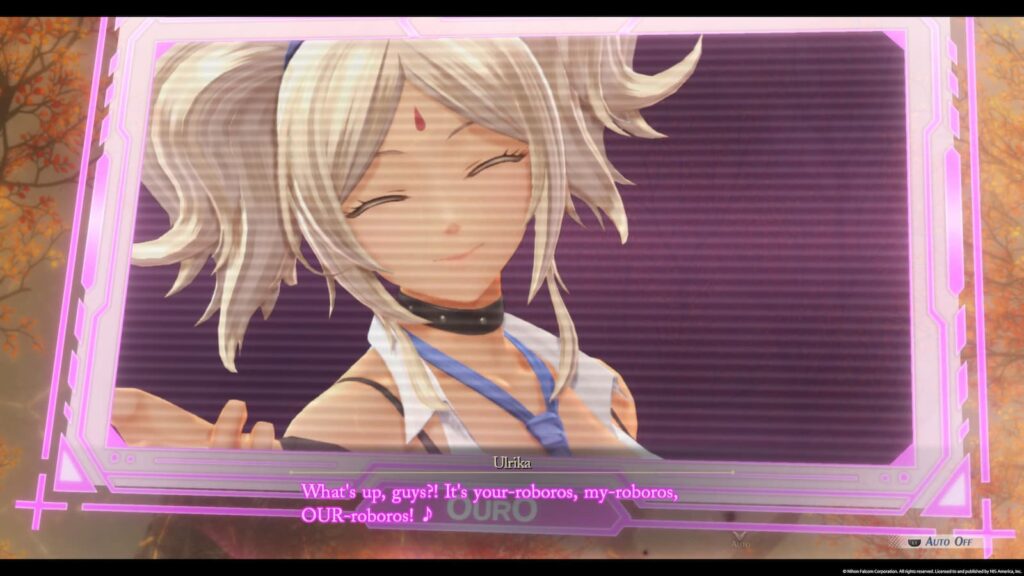
Instead of traveling around the country and being introduced to a new dungeon that actually exists in each chapter, most of the game’s dungeon crawling is confined to the Grim Garten, with only a few tiny dungeons actually appearing during the main plot. Kevin may go to the sewers of Tharbad once, but any other dungeon his party goes through is just the Garten.
I personally find dungeon crawling experiences like the Grim Garten to be quite relaxing and a good addition to the game, but when the game hardly has any setpieces outside of them, it begins to make it seem like there isn’t much to the game’s design outside of the battle system itself.
This overreliance on the Gartens to provide actual dungeons as opposed to natural locations in the world unfortunately, results in Calvard itself feeling very small and cramped compared to Liberl, Erebonia, and even Crossbell to some extent. While I enjoy the Grim Garten and how it provides a nice tension-free dungeon crawling experience, it by no means should have replaced the natural fun of having the cast explore new parts of the continent.
When the Crossbell duology, which primarily took place in a single city and its surrounding areas, feels like a larger world than the Calvard arc, which takes place in one of the two largest countries in Zemuria, something has been done wrong, and I hope that Falcom can adjust this in the next title.
Beautiful Visual Design
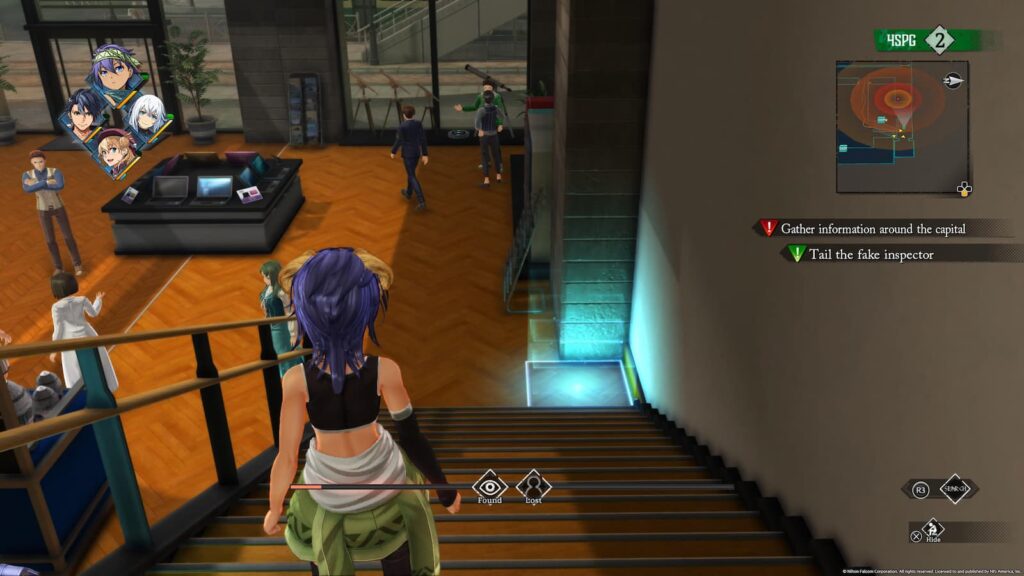
Graphically, Beyond the Horizon is an absolutely stunning game in my opinion. While it may not look as good as the Sky FC remake released in 2025 (remember that this game was released long before that one in Japan), it is still one of the best-looking games in the franchise.
Yes, the game does feature plenty of assets and especially animation reuse from prior Trails games, but personally, I see aspects like that as a sign of smart development. I would rather that Falcom put their efforts into aspects that matter more than designing a new cheering animation for NPCs.
Perhaps it’s because I have had to binge many Trails games over the course of the last few months and thus have experienced this evolution much faster than others, but seeing the franchise’s graphics evolve from those in the first Cold Steel to the beautiful models on display here is awe-inspiring.
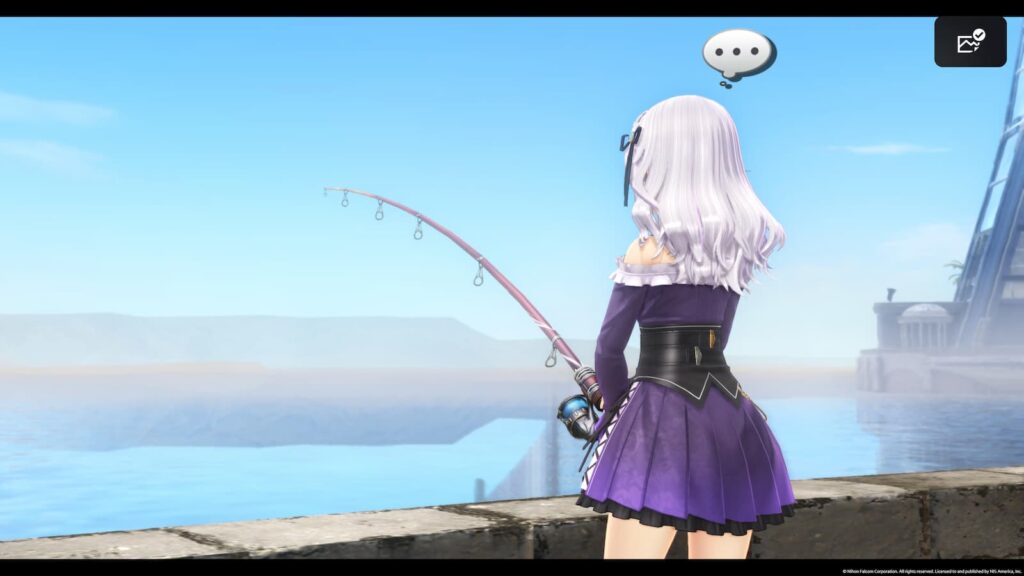
Right now, the Trails franchise is in uncharted territory. With the English release of Beyond the Horizon, every single Trails game is now available worldwide. If I may get a bit personal with this review, I am a very new fan of the franchise. I started with the release of 1st Chapter back in 2025 and have been binge-playing the games in the months since. Learning about the history of this world and watching how the gameplay and story have evolved has been awe-inspiring. If, for some reason, you are reading this review without already being a fan of Trails, I heavily encourage you to play through these games in their proper order to grow this same appreciation.
Overall, I found Trails Beyond the Horizon a very enjoyable game that builds upon the battle system of this franchise in fantastic ways, but is unfortunately held back by some design choices that make it feel more scaled back and repetitive compared to prior titles. Despite those issues, however, fans of this franchise are sure to enjoy playing through this new chapter in the grand epic that is Trails. With Falcom now aiming for simultaneous releases of future titles, English fans will no longer have to avoid spoilers for potentially years on end. I, for one, cannot wait to experience future stories in this franchise at the same time as everyone else.
The Legend of Heroes: Trails Beyond the Horizon
Bottom Line
Trails Beyond the Horizon is another thrilling chapter in this long-running epic and one fans are sure to enjoy, even if it is one newcomers should put off for a while. While the game is held back by some world design decisions it is nonetheless a fantastic RPG to begin 2026 with.