Want to see Raider King content first? Add us as a preferred source.
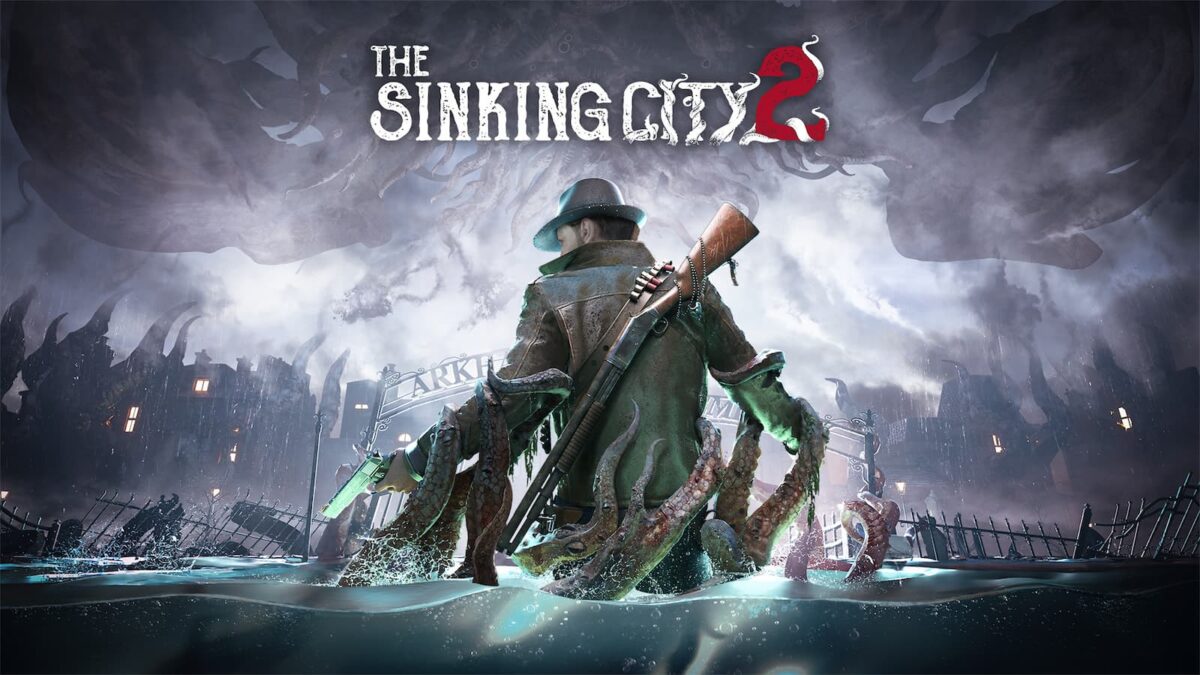
My relationship with the Ukrainian game developer Frogwares can best be described as fangirlism. Ever since I played Sherlock Holmes: Crimes and Punishments on the PlayStation 3, I have been obsessed with this company’s unique approach to mystery games and have loved each of their releases. I don’t think a single game of theirs would be on my list of the top games of the year in the years they released a title. While I hadn’t been following the development cycle of their upcoming game, The Sinking City 2, too closely, as I wanted to experience it blind, I knew I needed to try out the demo and write about it. The original The Sinking City is a game that got a very mixed response from both critics and Lovecraft fans. While I myself enjoyed the game and the gameplay decisions the developers made, it wasn’t without its flaws, and I was very curious to see what a sequel would even look like.
I braced myself for many things when I began to play the demo for The Sinking City 2, but I don’t think anything could have prepared me for the game to be a completely different genre. While the original The Sinking City was primarily a mystery game similar to Frogwares’ Holmes titles with a few Survival Horror elements, The Sinking City 2 flips that around entirely and has become a Survival Horror game with a few mystery mechanics.
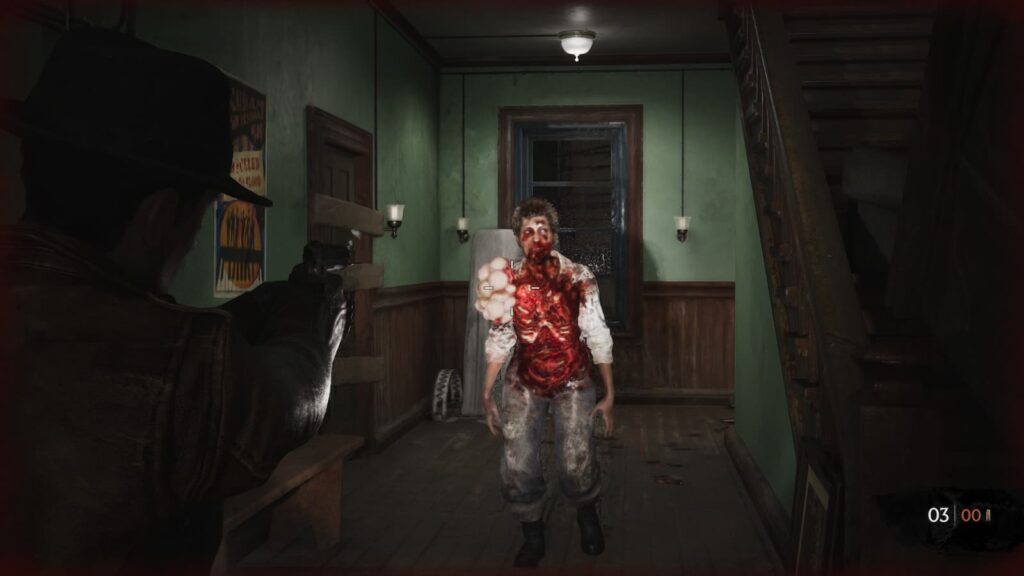
Instead of navigating your way through the city, talking to characters, and learning where to go, the player is given a firm objective and must simply navigate their way through a fairly linear city that has been evacuated, leaving behind only monsters. Progressing through the abandoned city will require the player to make their way through buildings filled with locked doors and puzzles that you’ll need to solve.
When I say the game’s genre is Survival Horror, I’m especially putting emphasis on the Survival part. Enemies in this game may have huge glowing weak points that you can shoot for massive damage, but every bullet counts here. The combat of The Sinking City 2 feels a lot better than the first game, as it takes on the skin of other third-person shooters, but that doesn’t mean it’s any easier.
Throughout the entire demo, I was either very low on or out of ammo at nearly all times. Every corpse that gets reanimated by evil worms can chop through your health in seconds, and there are a lot of them, far more than you can possibly take down. This creates a tense atmosphere where the player always needs to choose between standing their ground or running to the next room. Knowing that the room you’re in could possibly have a key item to progress makes the choice all that much harder, as you know you’ll eventually need to come back.
The only saving grace in this world is the safe rooms located in each area, which serve as a place to both catch your breath and potentially switch out your talent skills. To say that the game wears its Survival-Horror genre influences on its sleeve would perhaps be understating it, as the healing items the player has access to in this game are healing herbs of a greenish color similar to the healing items of a very popular horror game franchise.
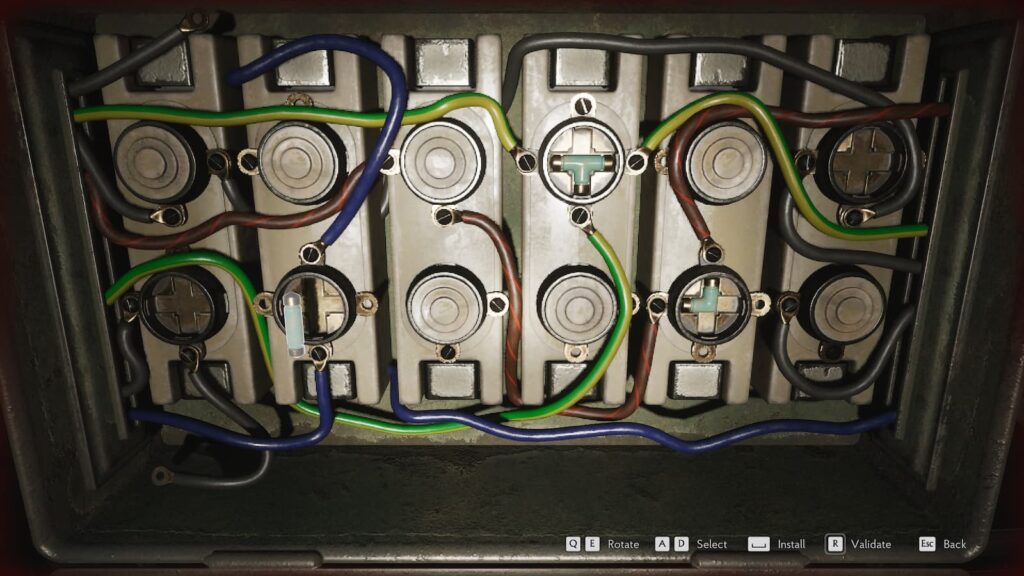
There is, of course, some light puzzle-solving in the areas that the player must make their way through. These can range from something simple, like needing to insert fuses in the correct location, to needing to figure out the combination of a safe via context clues you can find in notes scattered around.
The Sinking City 2’s gameplay, from what was in the demo, is nearly identical to games like modern Resident Evil and Silent Hill. While I love this genre of game and am very interested to see what Frogwares brings to the formula, I do find it a bit odd for a sequel to be a completely different genre from the first game.
Another possible worry I have is how the game currently isn’t doing much that is unique for the genre. Granted, this is just a demo, and the game could have a lot of tricks up its sleeve later, but from what I played, it hasn’t done anything to stand out from its peers yet.
Now that I’ve gone over the basics of the demo’s gameplay, I would like to dedicate some time to talking about certain gameplay mechanics that have carried on over from the first game and how they have been changed either due to Frogwares having more experience with them or due to the game’s shift in genre.
For those of you who have played the first Sinking City game, there is surely one question on your mind: “How does the boat control”? In the first game, the boat was a clunky block that got stuck on the smallest of objects and was a pain to control. The only saving grace was how the player often only needed to use it for short periods of time.
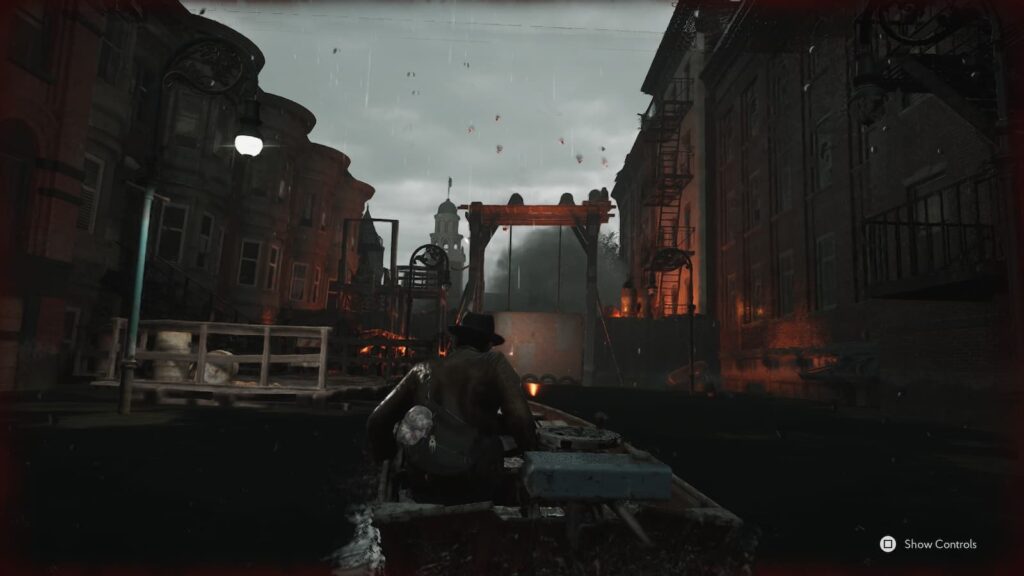
I am very happy to report that the boat section of The Sinking City 2’s demo controls significantly smoother than the boats in the first game. I didn’t get stuck a single time, not even when I stopped and turned the wrong direction. While it is still unclear how much the boats will be used in this game compared to the first, the boat section of this demo lasted far longer than any of the ones from the first game.
One part of the game that I am very curious about is the map system. For those unaware, The Sinking City and the Frogwares’ Holmes games that followed it feature some of my favorite maps in gaming, as, instead of directly showing you where to go with quest markers, they give you an idea of where to go and then expect you to find it on your own.
While the parts of the demo that require the player to navigate their way through buildings, like in other Survival Horror games, have standard maps which show you items you may have missed and locked rooms, the outside map that shows the city has me intrigued and hoping for some sleuthing on where to go, like in the first game.
Perhaps the saddest casualty of The Sinking City 2’s genre shift is the Mind Palace mechanic from the first game and Frogware’s Holmes games being completely absent in this title. No longer will we be connecting various thought threads to figure out or recap what is happening during the plot.
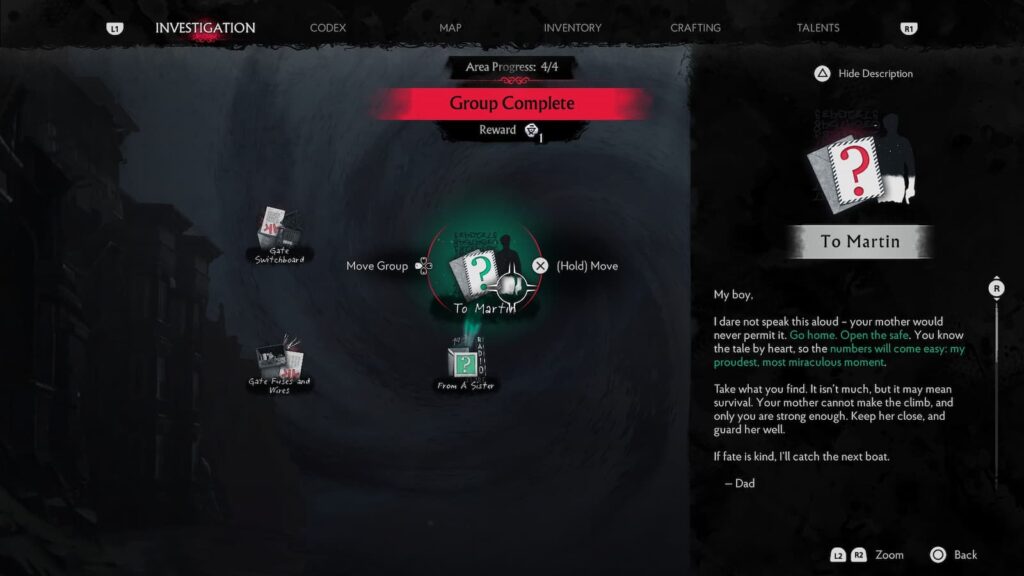
While the player will still be reading through notes and collecting lore, they’ll only be piecing them together in their menu to earn a few bonus skill points and not be using them to progress the plot. There is still a small feeling of satisfaction in realizing two notes you find are connected and linking them together as you piece together a puzzle (Which thankfully you are still expected to do on your own instead of the game saying the answer),
While I am glad that investigating is rewarded to some extent, I cannot help but mourn the absence of the mechanic that made me a fan of Frogwares’ games in the first place over a decade ago.
Overall, I found the demo for The Sinking City 2 to be a pleasant and well-done survival horror experience, but I find myself longing for the unique style of Frogwares’ other games and hope that the game has a few surprises up its sleeve when I get around to picking up the full release later this year. Frogwares hasn’t disappointed me yet, and I doubt this game will be the first time.


