Want to see Raider King content first? Add us as a preferred source.
I’ve had the privilege of attending Gamescom and playing around with a bunch of demos, plus having some conversations with devs and publishers here and there. I’ve tried to directly target the cozy genre since it’s one of the best rising genres of 2026, and here’s what I think looked most promising out of the bunch. Just a disclaimer, these are only some of the titles I actually tried out or took a look at. It’s possible I missed some other games that might have deserved a spot on this list.
The Regreening
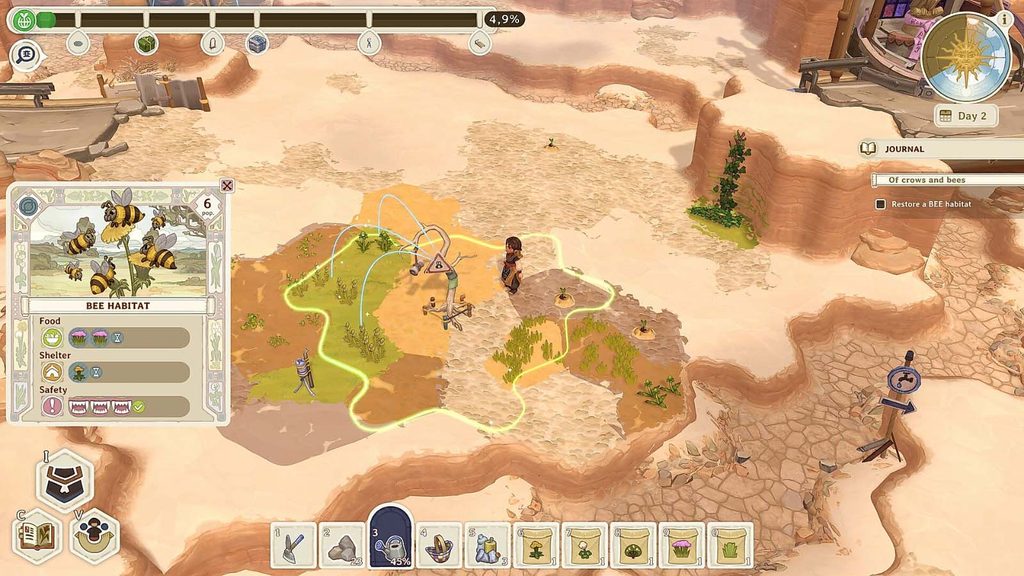
I’ve got a special place in my heart for games that let you fix something that’s broken. And what’s better to fix than the whole world? In The Regreening, you get to restore nature in a deserted wasteland. You’ll get to grow plants and flowers, recycle a bunch of trash lying around to make tools and utensils that help in reviving the world, and just generally have a good time trying to make everything look nice and cute.
There’s a light touch of magic woven into the whole thing too. Seeds slowly bring the world back to life around you: dry meadows fill back in, frogs start singing again in wetlands that used to be empty, and eventually it even starts raining again.
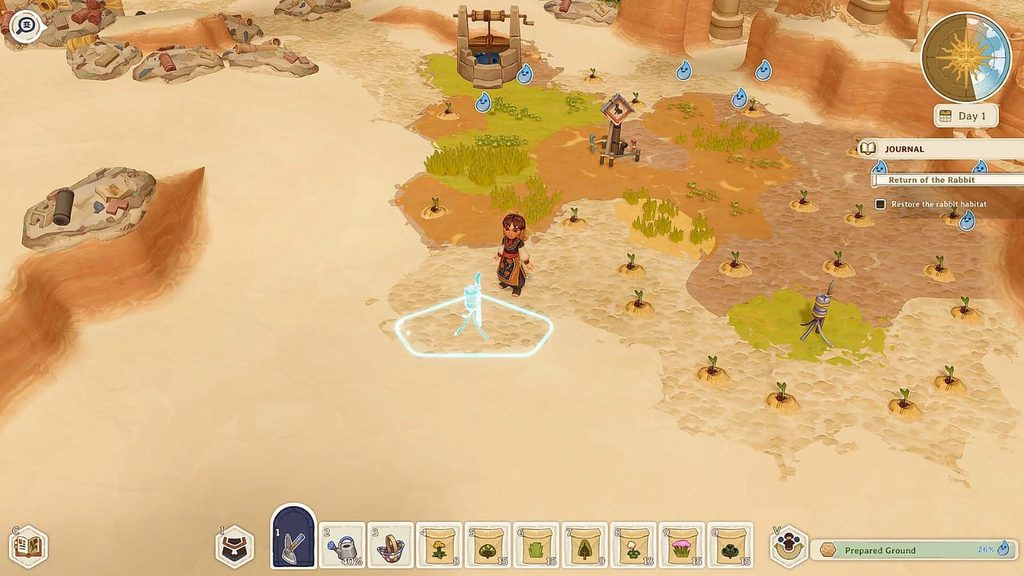
The actual toolset is pretty broad for a game this cozy. You’re picking seeds, deciding which animal habitats to bring back, and figuring out plant combos that work well together to build out proper little biomes rather than just scattered greenery. The recycling angle ties into that too, since the junk you clean up turns into crafting materials for decorations or functional stuff like watering systems for your plants. There are also folklore spirits scattered around who’ll hand you useful abilities if you help them out (and maybe bribe them with a shiny object or two), and once things are growing, you get to harvest flowers and berries to replant elsewhere or hand out as gifts.
No timers, no pressure, just a general sense that everything you do is helping something recover, with a soundtrack that adapts to what’s happening and some genuinely lovely ambient nature sound design.
Zeverland
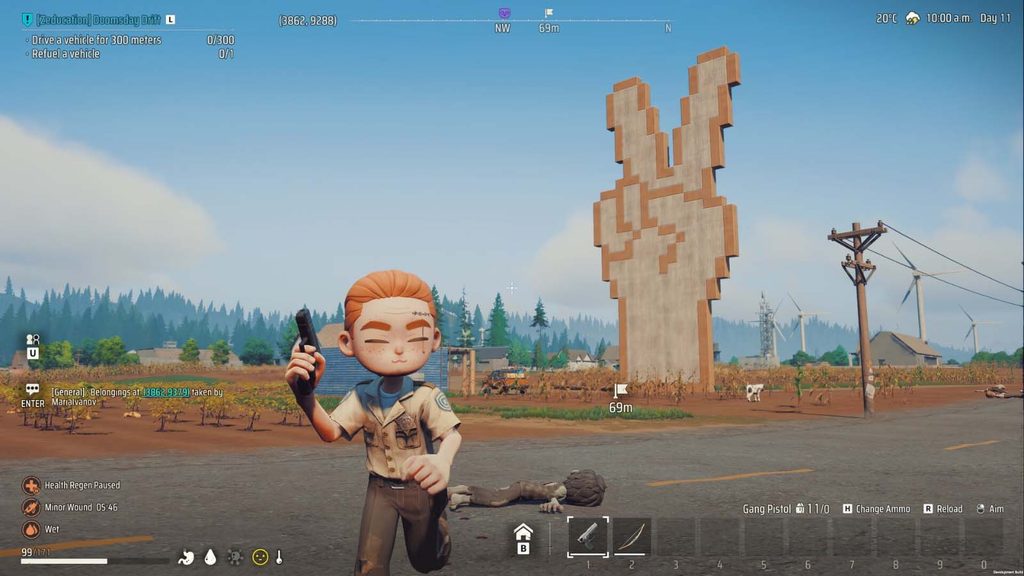
This is probably a weird one to categorize as “cozy,” but I legitimately see this game as such. Zeverland is a multiplayer zombie survival game, where you get to build your own base, either from scratch or by taking over some random location on the map, and get to build a self-sustaining haven in the apocalypse.
Now, the main reason I call this game “cozy” is because the zombies (besides some bigger ones) aren’t really a threat if you’re properly prepared. There’s no timers, no real threat of losing it all (since you just respawn if you die), and there will be no PVP in the game. The whole game will be PVE and there won’t be any competition to destroy others’ bases. From what I’ve heard from the dev, no timers might have been a little lie from me, since servers where players build their bases will reset every once in a while, but if this ends up working like Rust, I imagine there will be servers where the reset happens once a year or even local singleplayer sessions with no reset time at all.
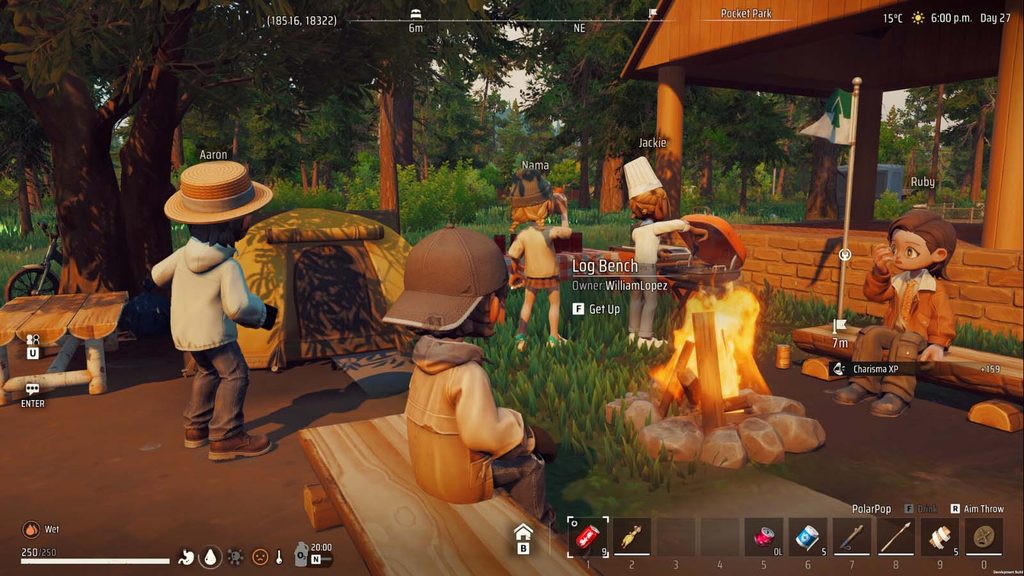
What sells it further is how physical the interaction is with basically everything you find. Nothing is static, you can pull apart a gas station toilet, staple a Zed’s head onto a baseball bat to make a weapon out of it, or weld a bed onto an RV so your entire home can just drive off with you. If crafting weird contraptions out of junk isn’t your thing, you can also recruit NPCs to help you build, so you’re never forced into doing all the manual labor yourself. And past the early survival stage, there’s apparently a bigger, more communal layer too, groups of players working together on larger projects, like rebuilding infrastructure or pushing toward one of several possible endings for the world.
The game is also extremely cute, and you can make extremely adorable-looking characters. Even the zombies are relatively cute, which makes me take them even less seriously as a threat, even as they ended my character for the fifth time in the demo while I was running around naked, just trying to explore the surroundings.
Seaward
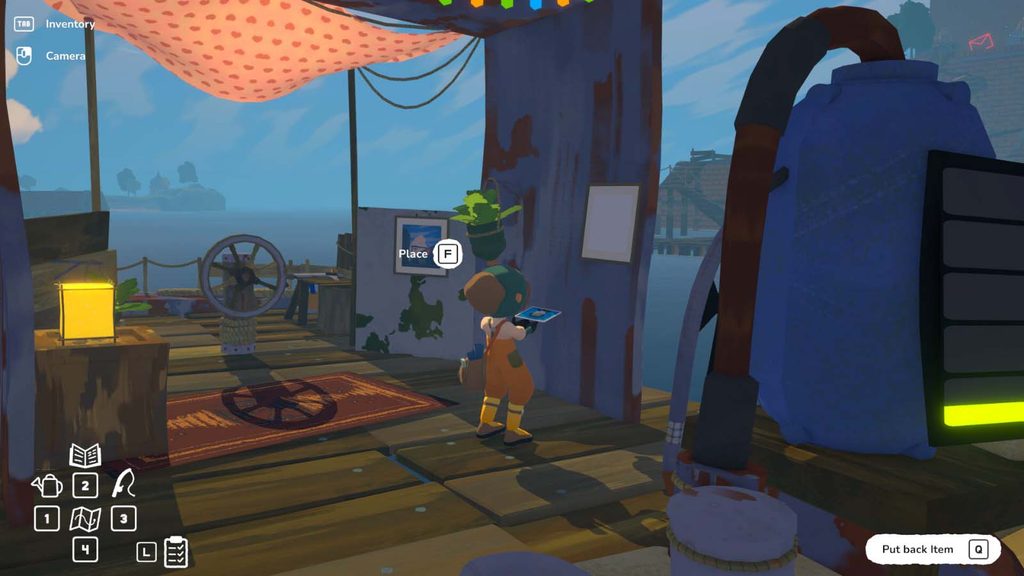
Seaward drops you into a fully flooded world as a courier, connecting scattered communities using your own ship. It leans hard into that slow, nautical exploration fantasy: you’re sailing between islands, gathering resources, and gradually upgrading your ship into something that’s as much a home as it is a vehicle. Building actually happens on a grid, tacking new rooms and structures onto your boat, and you can straight up swap the hull out entirely if you want to change the overall shape and amount of space you’ve got to work with.
What stood out to me most is how much the world leans on its cast rather than just its scenery. You’ll run into a handful of unique characters scattered across the islands, and helping them out and trading skills back and forth is apparently how you build out your own little floating community over time. There’s also a photography mechanic bolted onto all of this, letting you snap and catalogue birds, plants, characters, or just nice views as you sail around, all of which gets saved into a personal journal by the end.
The demo’s already out on Steam and, as of writing, it’s sitting at a strong 85% positive from the (admittedly still small) pool of reviews it’s gotten so far.
Glintseeker Island
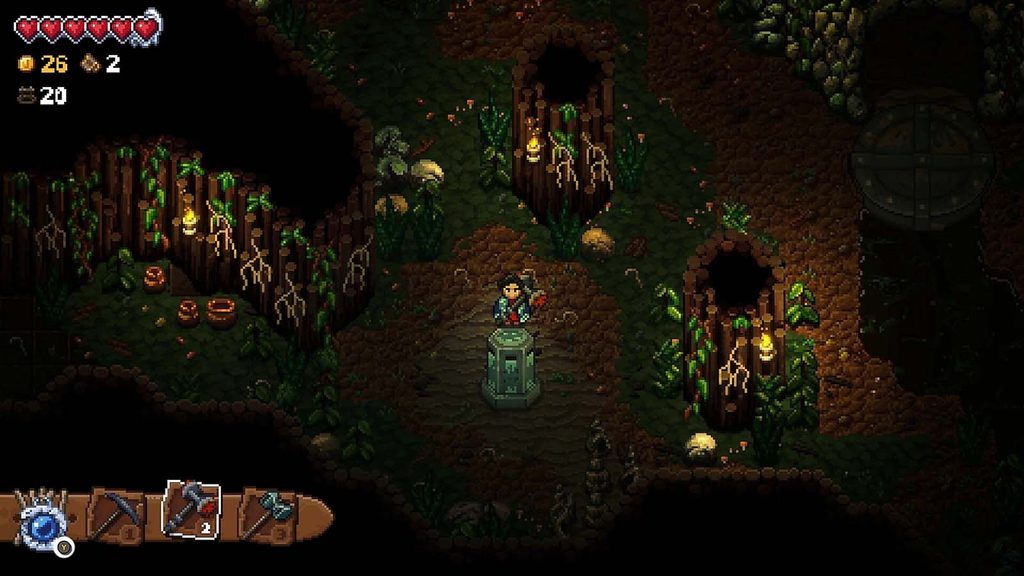
Glintseeker Island descends you into mysterious caves packed with treasure, in a singleplayer mining exploration adventure. If you ever lost hours to the mines in Stardew Valley, this is basically built for you, minus the farm and plus a much bigger focus on digging, hoarding, and gear progression.
The mining itself has some actual depth to it. You’re swinging hammers through rock of varying hardness to dig out treasures and artifacts, but every swing chips away at the wall’s stability, so being careless can get a whole section caving in. Hammers matter a lot here too, you start with a basic pickaxe and unlock over a dozen more as you go, each with its own special ability for getting around underground. Everything you dig up either gets sold to the local merchant or upgrades your gear at the blacksmith, and the deeper you go, the better the loot gets, alongside boss fights and puzzle-style obstacles roughly every 10 floors.
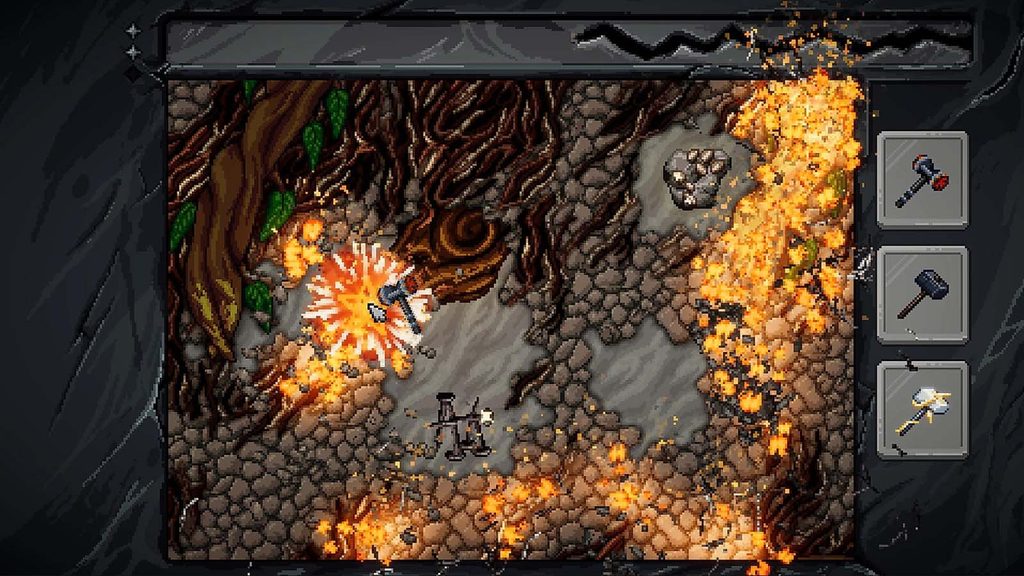
There’s also a whole layer sitting on top of the mining loop: a village to restore and grow through quests, a home to upgrade, and a broader mystery about the island’s history to piece together as you dig. Inventory management gets its own little puzzle-box treatment too, with a tile-based backpack you’ll need to arrange efficiently if you don’t want to leave treasure behind. And yes, there’s a dog, and yes, you can pet it.
The demo itself gives you two cave biomes and 15 floors to chew through, along with a handful of restoration side quests, and apparently hides an extremely rare fossil drop for anyone patient enough to farm for it.
The Witch’s Bakery
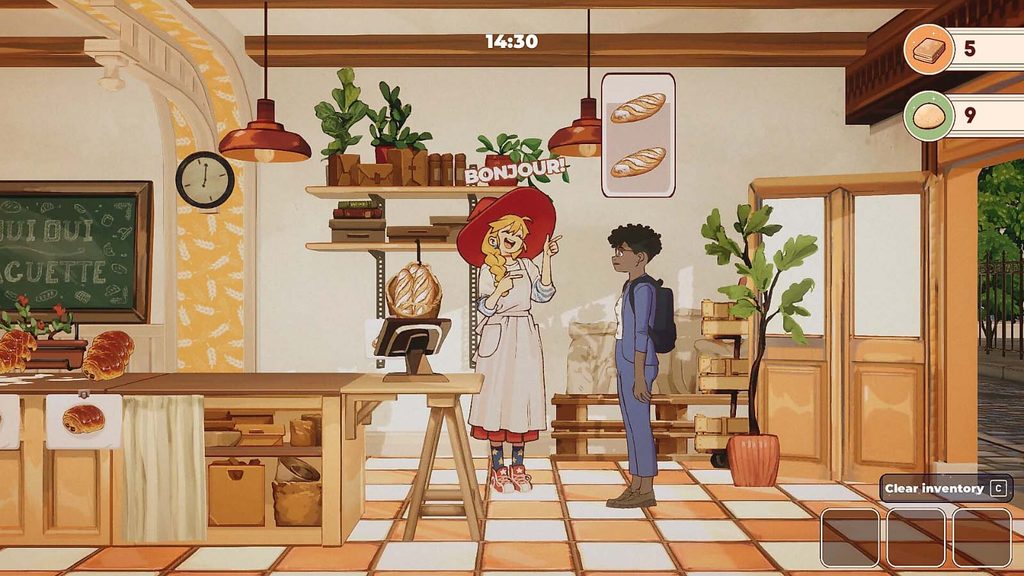
The Witch’s Bakery is a cozy adventure RPG about a joyful witch who opens her own bakery in a fantastical, modern-day Paris. Her one real superpower is the ability to see straight into people’s hearts and heal what’s hurting them through magic.
You play as Lunne, freshly arrived in the city, and each day is split into three distinct chunks. During the day, she’s running the bakery and serving customers alongside her team of friends. In the evenings, she heads out to explore Paris, build relationships, and occasionally dive straight into a friend’s troubled heart to help them work through whatever they’re carrying. At night, she rests, works on her magic, and decorates her bakery and personal space. As days pass, Lunne earns experience, money, and reputation, meets new people, and slowly helps mend the emotional wounds of everyone around her.
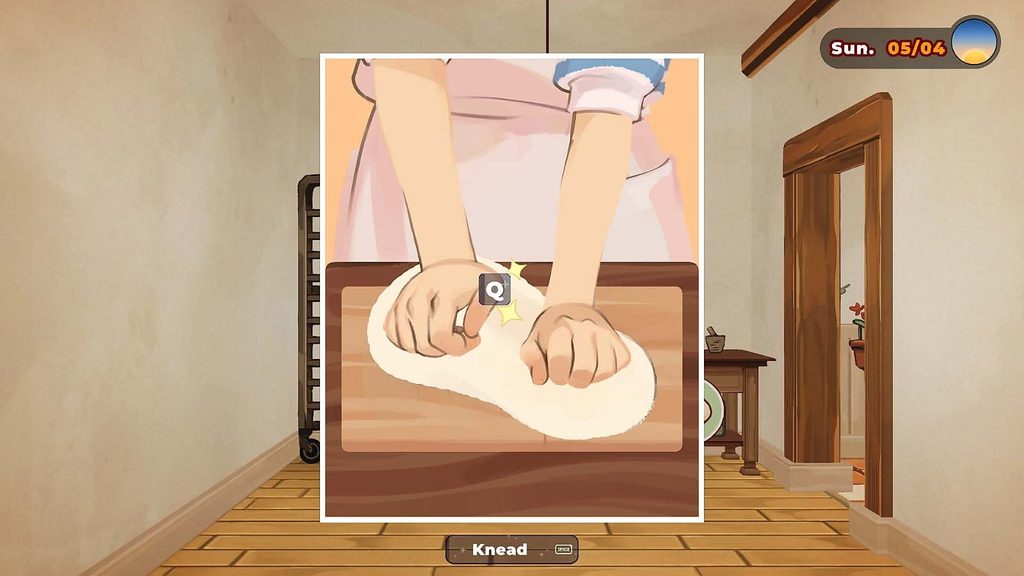
The city itself is broken up into distinct districts, each with its own characters, shops, and things to do, all rendered in a gorgeous, colorful art style. The emotional side of the game gets a literal, physical space too: when someone’s feelings are locked away too tightly for Lunne to reach normally, she enters their “Heart Palace,” a surreal, symbolic space built out of that person’s emotions and memories, where she has to guide their personified feelings back home and find the key ingredient for a bread that’ll actually heal them (very Persona-esque).
This one’s being made by Sunny Lab, a small French indie team on their first game, and it’s clearly resonating already, it crossed 100,000 wishlists on Steam well ahead of its full release.