Want to see Raider King content first? Add us as a preferred source.
“Horror Game” is such an interesting term, as “Horror” is not a gameplay genre but a literary one. There aren’t any set rules as to what the gameplay of a horror game can be, and as such, they can fall into almost any gameplay genre that a developer wants. What we typically call Survival Horror games are derived almost entirely from the old-school Adventure game genre, and in the years since, various developers have made Horror FPS games, Horror Visual Novels, and even Horror Platformers.
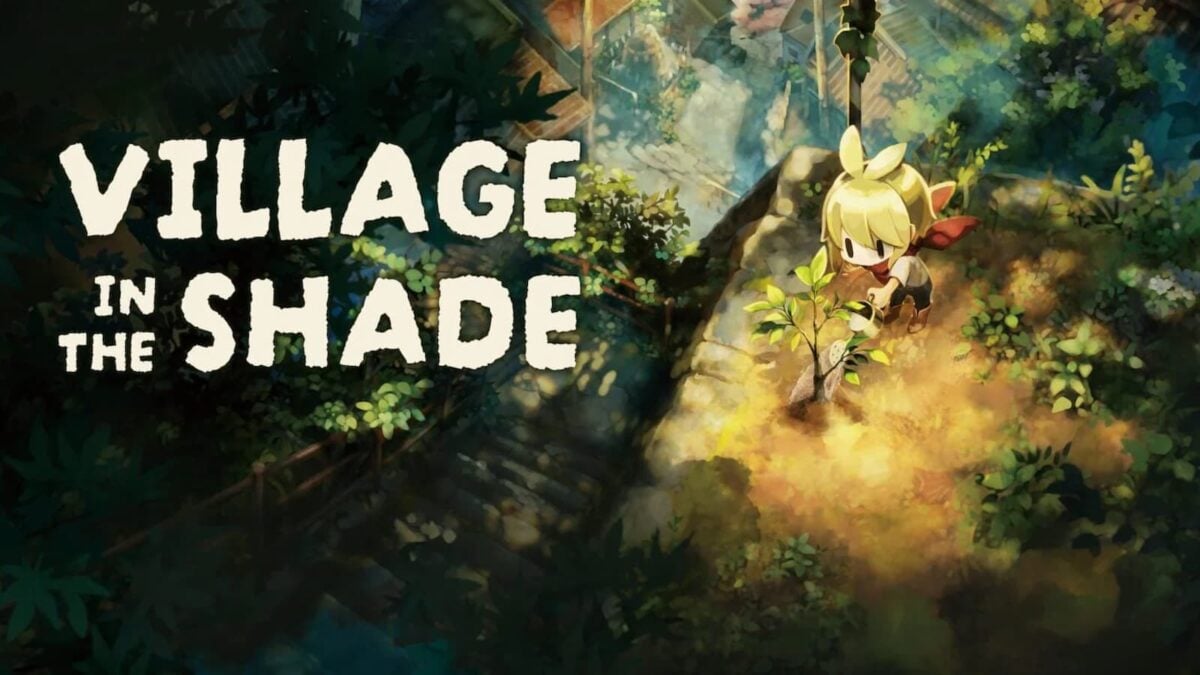
So it shouldn’t come as a big surprise that one developer has chosen to combine the farming sim gameplay genre with the horror literary genre. On October 28, 2026, NIS and NIS America will be releasing Village in the Shade. This title will be combining these two seemingly contradictory genres, as the player will need to grow crops and bond with villagers in the day while dealing with various horrifying yokai encounters at night. So does this combination work, or should gamers sell the farm? Let’s dissect Village in the Shade piece by piece and make the decision for ourselves.
Fantastic Farming
We’ll start this review by going over how Village in the Shade is as a farming sim game, as despite the game sharing a development team and visual style with the horror series Yomawari, Village in the Shade is first and foremost a game about managing your farm in a village with a dark secret.
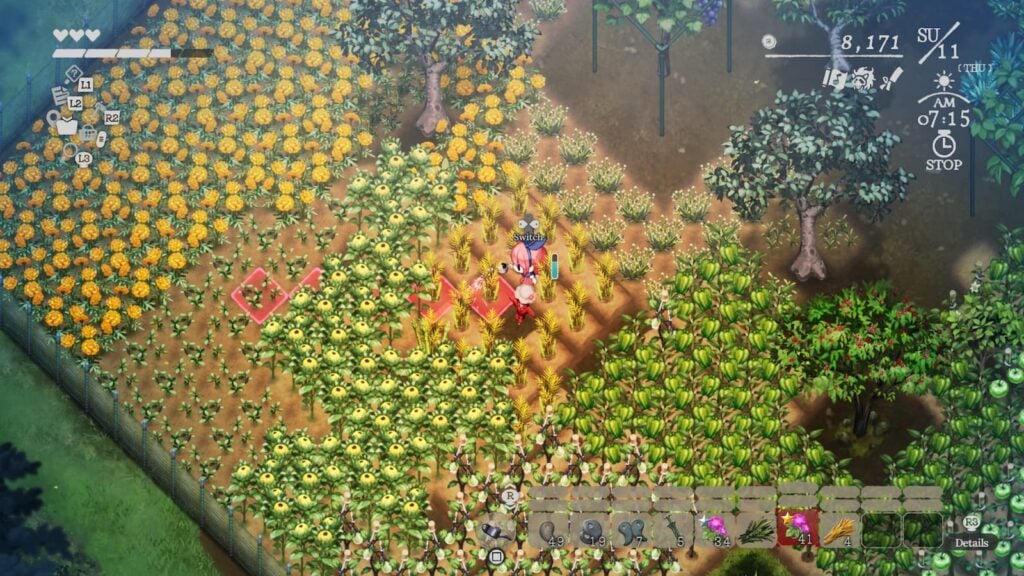
Each morning, the player will wake up, get out of bed, and attend to their farm. Like most other farming games, this will involve tilling the field, planting seeds, watering them daily, and waiting a set amount of days for each crop to grow so you can sell them for a price higher than what you initially paid for the seeds.
On days where you’re waiting for your seeds to grow, you can tend to your various animals such as chickens, cows, goats, ducks, and horses, or take the items you have already grown and use the machines you have crafted around your farm to create dried foods, jams, wines, and broths.
If staying on your farm all day isn’t engaging enough for you, there are various activities you can perform outside it to make money or gather materials as well. You can go to the mines and spend hours gathering various ores; you can head to the mountains to hunt a variety of animals with your bow; or perhaps you would like to sit by the village creek and fish up one of the many types of fish that are swimming this season?
I hope my listing of various activities is getting my point across: Village in the Shade is a LARGE game filled to the brim with mechanics. Despite being the first game that this development team has made in the farming sim genre, almost everything you can ask for in this type of game is present here.
Each day you will only be limited by two things: Time and stamina. A single day in Village in the Shade will last about 20 or so minutes (not accounting for various cutscenes and menus where time doesn’t pass), which is more than enough time to water your crops and choose another task to do, but you’ll need to run to it as time waits for no one, and there’s nothing more frustrating than not catching the fish you were after simply because you ran out of time in the day.
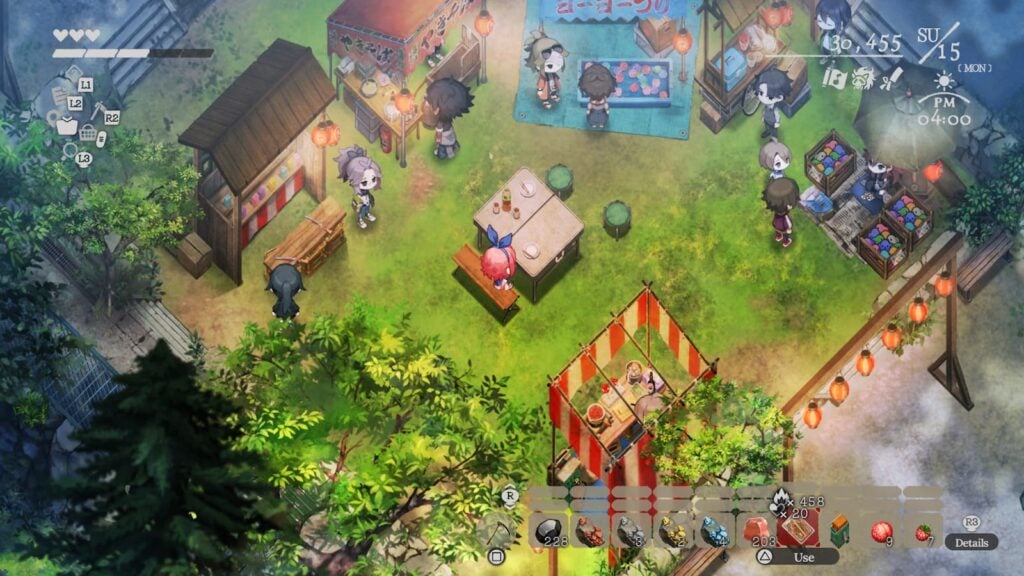
As for stamina, this is one of the most intriguing features in the game. Everything you do, from watering crops to cleaning your farm with a sickle, will consume stamina. Once your stamina is gone, you can do little more than walk around. There are, of course, ways to regain stamina during the day, such as either eating at a restaurant in town or eating your own crops. This means you need to choose whether or not to exhaust a resource (Whether it be money or your items) in order to continue farming all day.
What really makes the stamina system amazing, though, is how you increase your maximum stamina. During every one of the game’s four seasons, you will be asked to leave offerings to a fox’s shrine. These offerings take the form of various crops, fish, and other items which are only obtainable during the current season. This gives you a constant motivation to work toward growing specific crops. Having a clear goal and reward at all times helps the game avoid any lulls without changing up the core farming sim concept.
I tried to engage with all of the game’s farming systems for this review, and let me tell you, it’s a bit hard to keep track of growing my crops, tending to my animals, and keeping my eye on the various machines I’ve set up around the farm that will distribute extra processed goods at different intervals. If you’re the type of person who enjoys having plenty of extra mechanics in your farming sims, then you’re going to love Village in the Shade.
And there’s still so much that I haven’t seen! The game has a field guide where it records every item that you’ve grown, crafted, or bought. Out of the 2,600+ items that exist in the game, I have currently found around 500 of them after over 100 hours of playtime. I will never truly be finished with this game, as I imagine getting used to every system and creating the best version of every crop will take several in-game years at the minimum.
Horrific Hauntings
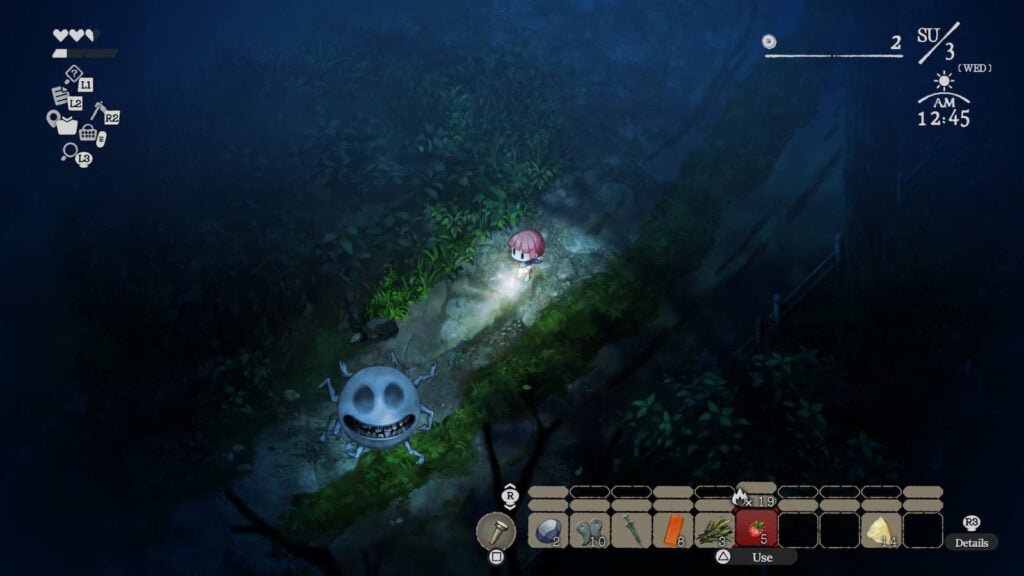
Excellent farming sim gameplay isn’t the only selling point of Village in the Shade, of course, as this is also a horror game from a development team which has already made several great ones. So let’s examine the game’s merit as a horror experience next.
Every other night (There is no consistent timing to it, as far as I can tell), the player will be awoken in the middle of the night by violent knocking on their door, with their curiosity encouraging them to explore the village at night. Doing so will lead to you encountering various yokai which wish only to harm you.
While dangerous, leaving your home at night is well worth it as various items which you need to improve various aspects of your farm (such as blueprints for new devices, buffs to how much your crops sell for, and various decorations) only appear at night. If you want to get these items, you’ll need to brave the horrors ahead of you.
What I enjoy the most about the nighttime yokai encounters and the various boss fights that occur during the story is how much the game doesn’t change to accommodate them. Every yokai is defeated with the same tools that you use when farming.
A huge worm that hides in tall grass? Use your sickle to expose it. A giant daruma doll that drops stones around the village? Well, just bring out the pickaxe that you’ve been using to mine ore. A giant fire-breathing parrot? Thank goodness that you wouldn’t be caught dead without a watering can!
It’s outstanding how the relaxing farming sim gameplay and the tense horror gameplay meld together perfectly for an experience that will keep the player on their toes and have them constantly thinking about both the best crops to grow and how to defeat the last yokai you lost to.

The horror in Village in the Shade can be a bit inconsistent. Sometimes the game can fall on its face as scares like the jumping scarecrow yokai that show up on rainy nights are more silly than scary, but other times the game will make me jump out of my seat because I wasn’t anticipating a scary voice whispering in my ear.
Though I have quite a strong stomach for horror due to my experience with the genre, I can easily see some of the monster designs in this game, such as the white ghost that’s always waiting outside of the eastern exit of the village at night, leaving some players unsettled.
For those of you interested in the game’s farming mechanics only, there is also an optional non-horror mode called Village in the Sunshine where no yokai encounters or other horror elements will occur. While I think this mode is good conceptually for those who just want to farm, I do have some issues with it.
The biggest issue I have with Village in the Sunshine mode is that the player is given infinite stamina. When such a big part of the base game is managing your stamina by either eating your crops or spending time to go to the restaurant, removing that entirely kneecaps a lot of what makes managing your farm fun. Considering that the main way of increasing your stamina in the main game is tied directly to farming too, it’s strange that they include stamina at all in this mode.
Pacing and Exploration
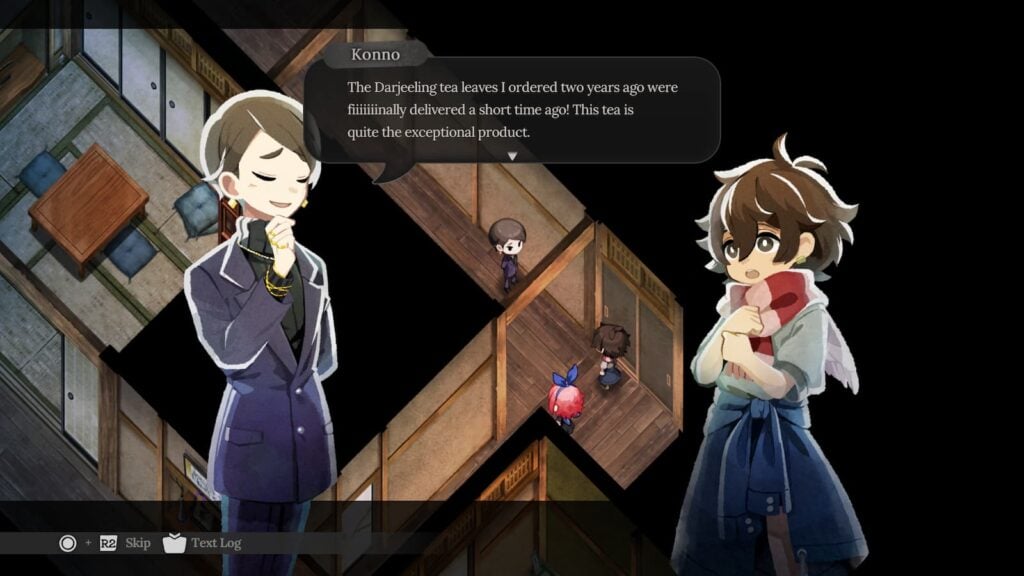
I imagine one of the most divisive parts of this game will be how the story is paced. As Village in the Shade is not a horror game with farming elements, it’s a farming game with a horror theme and is paced as such. Entire days can pass in-game with no plot progression, leaving you only to focus on your farm while you wait either for another opportunity to leave your home at night or for enough time to pass so a new event will activate.
My playtime by the time the credits rolled was 95 hours (about one and a half in-game years); this is not a quick horror title that you can complete in a few play sessions. If you wish to reach the end of this game’s story, you’ll need to be as diligent as a farmer tending to their crops and return to this game multiple times.
Personally, I really enjoyed the pacing of this game and had a great time getting attached to my farm and the villagers; however, you need to go into the game with the correct mindset. Play Village in the Shade because you want a great and unique farming game that’s also capable of scaring you, not because you want a horror game with a farm setting.
Another aspect of the game which I imagine will be contentious amongst players is how the game only holds your hand a little bit before throwing you off a cliff and expecting you to fly.
Village in the Shade is a game that has a long tutorial which will show you the basics of how to run a farm, yet also gives the player very little guidance and lets them figure stuff out on their own. This applies to both the farming aspects of the game and the nightly yokai encounters.
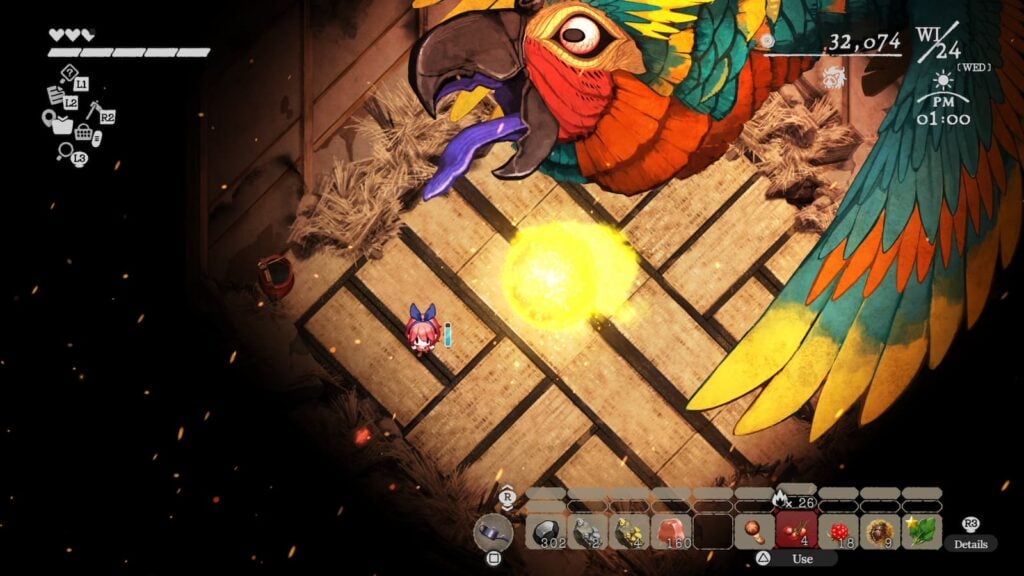
For example, you’ll need to make a lot of cloth if you’re looking to make furniture like beds, so how do you learn how to make cloth? Well, you’d better start crafting various machines and inserting your items into them to see what they produce. The instructions for how to make an item will only be added to your field guide after you’ve obtained it a single time.
In a similar manner, learning how to survive the various nightly yokai encounters is also pretty obtuse. You either need to stumble upon the solution (which is often very ridiculous, like striking a specific rock with your pickaxe while a monster’s eye is open) or find a book on the ground that only spawns at night after you have encountered the enemy you’re facing at least once, bring it to the library so you can read it, and then decipher a riddle that then explains how to beat the yokai.
Personally, I absolutely loved this aspect of the game. Finally piecing together how to increase my maximum HP, learning how to defeat various yokai encounters that were giving me trouble, or even discovering something as simple as how to make silk all had me giddy with glee, as it felt like a whole new world was opening to me.
The sheer amount of stuff to do in this game also contributed to the feeling of exploration in a way, as whenever I look at my field guide and see missing items, my mind begins to race and try to think up how I can make what I’m missing. Not many games these days give me an experience like that, and it was very welcome here.
Closing Thoughts
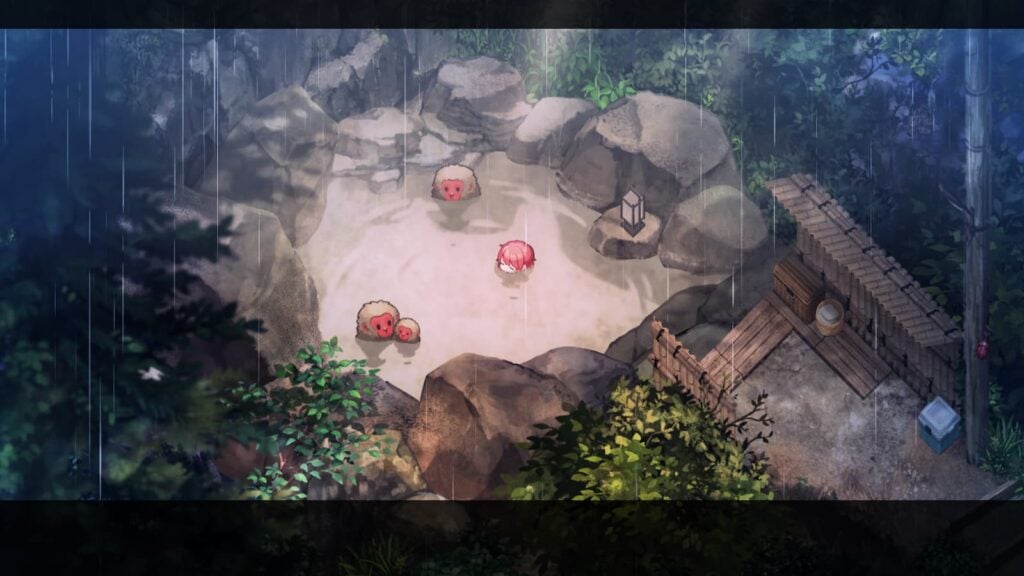
Overall, I absolutely loved my time with Village in the Shade. The game’s farming mechanics are simple enough for a casual gamer to pick up and play, yet dense enough that those who are familiar with the genre will immediately begin to plan through the optimal ways to spend their time.
While the game’s horror doesn’t always hit, it was effective enough to make me jump in my seat multiple times with the village’s magnificent atmosphere. The ways in which the farming gameplay and the horror gameplay intersect and meld together create a magnificent experience which encourages the player to constantly experiment and explore to figure out the village’s secrets.
If you are a fan of either genre that Village in the Shade places itself in, then I cannot recommend this game enough. This title is both one of the best farming games AND one of the best horror games of the year; don’t miss out on it.
Village in the Shade
Bottom Line
Village in the Shade is a game which falls into two seemingly contradictory genres, yet despite that it expertly blends both the relaxing/addicting aspects of farming simulator gameplay genre and the tense, hair-raising, aspects of the horror literary genre. This title is one of the most unique farming and horror games of the past decade and should not be skipped by any gamer.