Want to see Raider King content first? Add us as a preferred source.
Ever since the series’ inception, The Legend of Zelda franchise has become known online for its quick jump from introduction to action, which almost immediately send the player out into the world with minimal tutorials and the trust that they’ll learn how to play along the way. Whether it be the original NES classic allowing the player to go any direction they wish after acquiring the sword or Breath of the Wild telling Link to explore the land of Hyrule as he wishes. Even Ocarina of Time, a game which revolutionized 3D gaming and thus needed an extended tutorial, did not hold the player back for more than a few minutes and simply guided them along the right directon. With these intros, The Legend of Zelda has become synonymous with pick-up-and-play game design.
However, there are always exceptions to every rule. Both The Legend of Zelda: Twilight Princess and The Legend of Zelda: Skyward Sword featured lengthy, story-heavy tutorials where the player would have to spend hours playing through a typical day in the life of Link, spending potentially hours existing among the games’ casts before they could even obtain a sword, let alone set foot inside of a dungeon.
While the introduction sequences of both of these titles were panned by many fans back in the forum-heavy age of the internet, time have proven to be kind to both of them. Twilight Princess in particular has aged like fine wine, with its opening hours being a master-class demonstration in how to immediately establish a world of characters while subtly teaching the player everything they need to know about the game.
Twilight Princess doesn’t begin with Link getting a message from Princess Zelda in a dream or him beginning an adventure. In fact, the game doesn’t even begin in the country of Hyrule, where nearly every other game in the series is set. Instead, the player is thrown into the life of a farmboy named Link in Ordon Village. He is told that in two days, he’ll have to deliver a letter to Hyrule for his mentor. That isn’t until later, though. For now, you need to herd goats into their pen. The very first tutorial in this game is for using your horse, Epona, dashing with her, and guiding her to jump over fences.
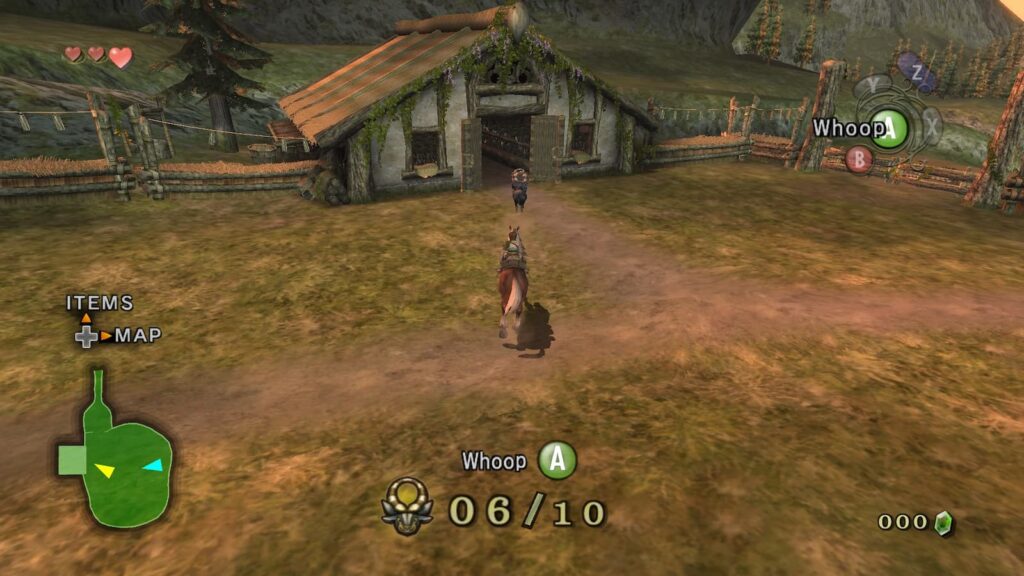
This is already a massive shift from how The Legend of Zelda was designed at this point, as typically, the player won’t have access to their horse until near the halfway point of the game. Well, it’s actually the same here. Despite the horse tutorial being the first thing the player will do in this game, you will not have full access to Epona until at least a dozen hours after this moment.
Putting aside the oddness of giving a tutorial for a mechanic hours before you can use it, this moment is a perfect encapsulation of what the opening hours of Twilight Princess will entail. There is no threat yet, no adventure to go on, and no monsters to defend the land against. You are just a simple farmboy doing your job and enjoying your life.
Once Link’s work is done, it’s time to head to sleep and get ready for the next day. As the player walks to Link’s home, they might begin to take note of Link’s character model. Link’s clothes aren’t those of the legendary hero yet; in fact, he’s wearing discolored rags. Most of his outfit looks like multiple pieces of cloth thrown together instead of a full tunic. The rip on his sleeve helps empathize with one fact: Link isn’t well off.
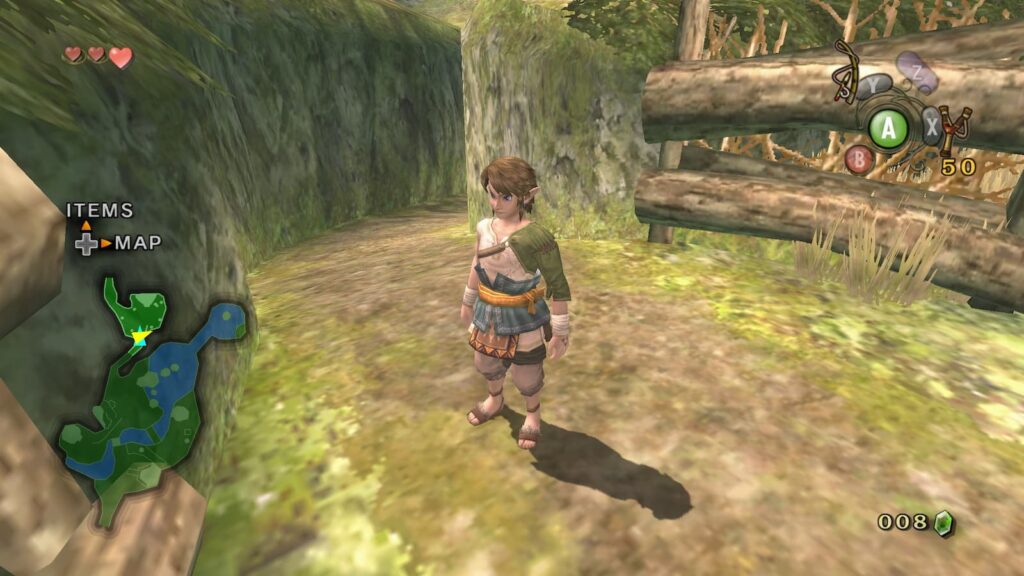
In fact, he seems downright poor. No one else in Ordon Village has tears in their clothing like him. To jump ahead a bit, you start the game with 0 rupees (Not unusual for a Zelda game), and saving up anything for an item will cause the Ordon shopkeeper Sera to act surprised. This is an interesting and understated aspect to Link’s characterization in this game, and one that can only exist because of the slow pace of this intro sequence.
On the second day of the game, Link will be immediately awoken by four village children who look up to him as the oldest kid in Ordon. Talking to them will inform the player of their objective for the day: save up enough money to buy a slingshot and show off your skills to the kids. This is much easier said than done.
The shopkeeper of Ordon Village is too sad about her cat running away to sell Link any items, and her cat is too busy catching fish to return home. Link will need a fishing rod to catch any fish to give to the cat, but the only woman we can get a fishing rod from is too busy looking for her baby cradle, which floated down the river. While the player can see the baby cradle, it is in the hands of a monkey who is sitting atop a ledge that the player cannot reach.
This is a ridiculous amount of steps for what amounts to buying a single item, but it’s also a valuable moment as the player not only gets to be directly tutorialized on mechanics like climbing vines, targeting important objects, and using whistle grass; They are also being given a subtle, hidden tutorial for how puzzles work throughout the entirety of Twilight Princess.
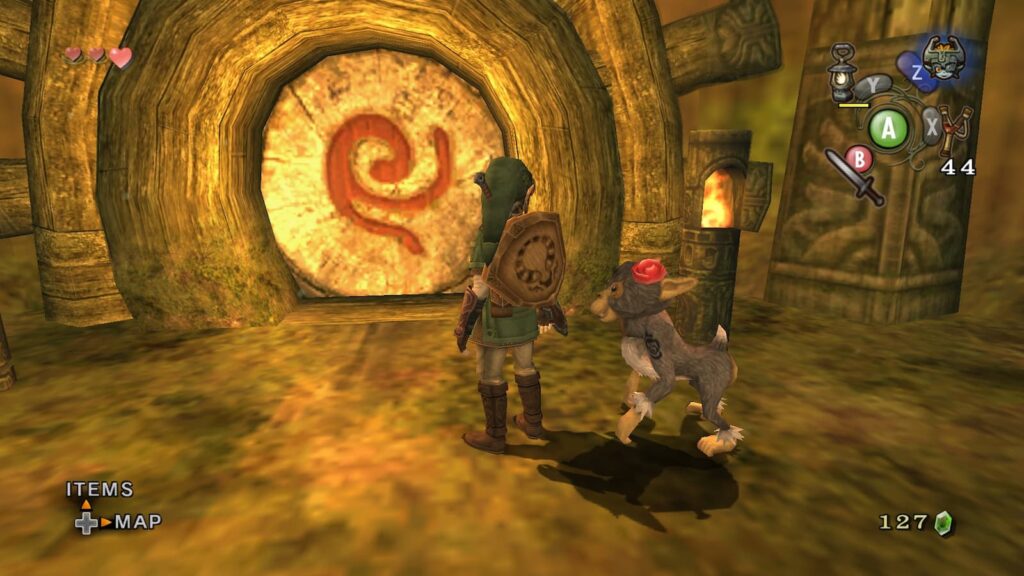
Dungeons in Twilight Princess are rarely straightforward. The player is often shown what their end goal for the dungeon is immediately, and then has to figure out how to achieve it as they progress through the dungeon. In the Forest Temple, the player will be repeatedly moving along three paths as they collect monkeys in order to swing to the boss room, which is just out of reach without them. In the Temple of Time, they will immediately see the boss room but will need to ignore it until they can get the dungeon’s main item.
Twilight Princess is a game all about knowing what your end goal is and piecing together the process to reach it as if you’re putting together the pieces of a puzzle. The only tangible difference between this moment and the later Snowpeak Ruins dungeon where you must repeatedly bring different foods to a Yeti is scale and the existence of enemies. This slingshot purchasing sequence is indirectly teaching the player about what kind of design they can expect to see in the game’s dungeons later, while still keeping to the peaceful daily life tone.
The individual steps for getting the slingshot also teach the player one last vital element of Twilight Princess: This game is more than happy to laugh at you. By this point in the intro, any player who has played a previous game in the series will be getting impatient and want to progress as fast as possible. Twilight Princess realizes this, and it doesn’t care.
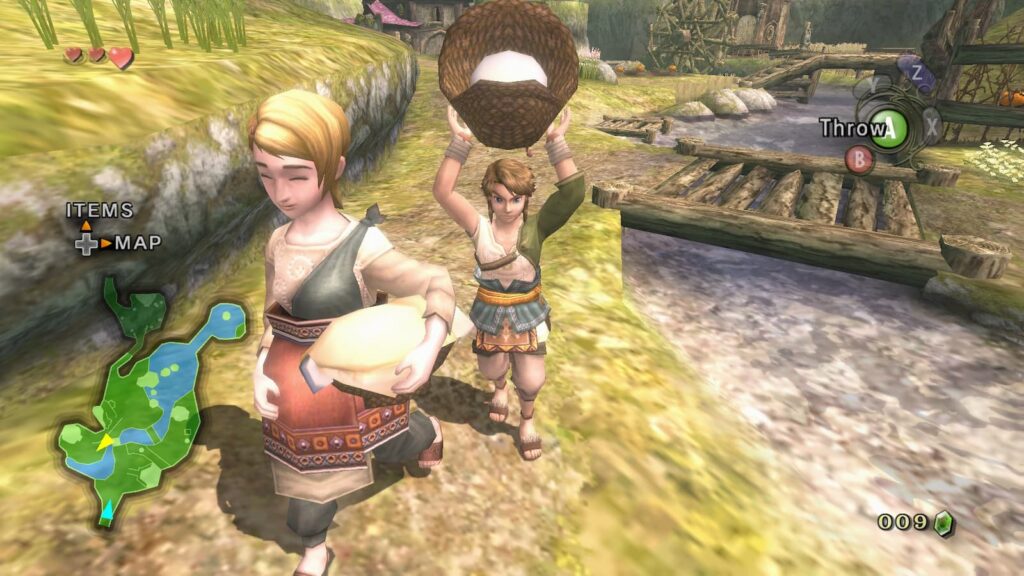
When you successfully retrieve Uli’s baby cradle from the monkey, she doesn’t immediately give you the fishing rod. Instead, you need to slowly walk with her halfway across town until she reaches her home while carrying the cradle. This takes nearly two minutes, not a lot of time on paper, but in the moment, it can feel like an eternity as you merely watch a character model walk across the screen.
With the fishing rod obtained, the player will get to play through Twilight Princess’ fishing minigame. It should go without saying that fishing is not a fast-paced task. Fishing for the first time in Twilight Princess can take a long time, as you must learn how it works with minimal UI and explanation. This is perhaps the most hard to grasp fishing mechanic in the whole Zelda series.
Then, as if to mock you for wanting the intro to go faster, catching a single fish isn’t enough. The hungry cat won’t even notice the first one you hook. You need to catch a second fish in order to progress. It’s hard to interpret this in any way other than the developers having a laugh at the player’s expense, and I cannot help but greatly respect that.
When the player is finally able to buy the slingshot, they will return to their home to be greeted with a surprise. Link’s mentor, Rusl, has a wooden sword to gift to him. Getting to this point can take some players up to two hours, by far the longest period of time it takes to retrieve and be taught how to use a sword in any The Legend of Zelda game.
Thankfully, unlike the Epona tutorial, the player won’t have to wait long to actually use this item. Moments after you retrieve the wooden sword, the village kids will chase a monkey into the monster-filled Faron Woods; Being the only person with a sword around, it’s up to Link to save them.
This sequence is the first of what one would expect from a typical The Legend of Zelda game, as the player charges into the woods and fights pig-like monsters along the path until they reach the now-in-danger children. It’s a fun and tense sequence, but even now, something about it feels different from a typical Zelda adventure. At no point during this action section is the player given the impression that Link’s daily life is changing; this is just a bump in the road until things go back to normal.
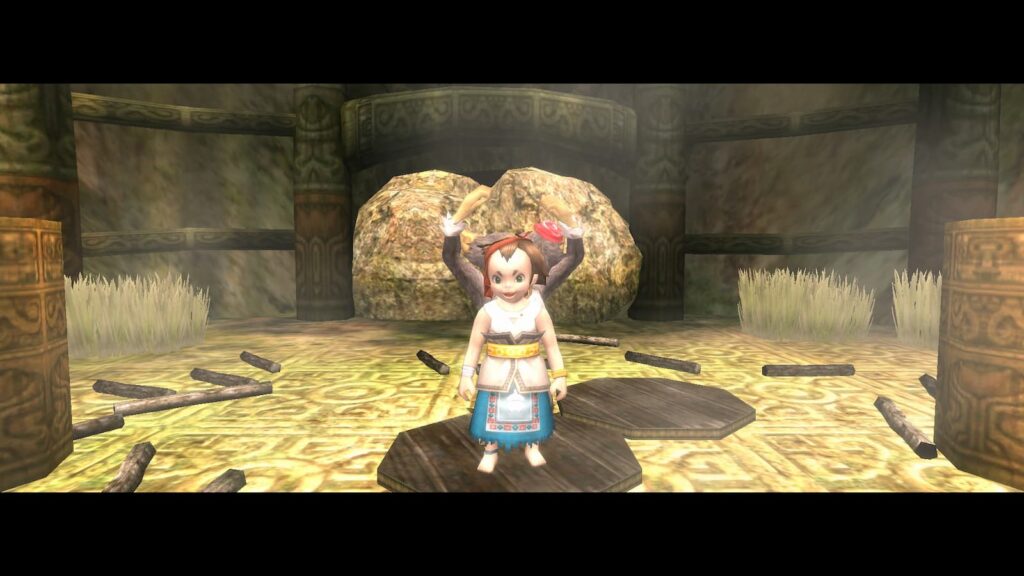
In fact, things do go back to normal afterward. Once the kids are saved, you all go home. Everyone is happy, with smiles on their faces, and happy to hang out with Link tomorrow. Link, of course will be leaving on a journey tomorrow, but that’s just a simple delivery and he has no reason to think his life will change.
The opening two days of Twilight Princess have spent their time slowly building a peaceful and happy atmosphere, one where it feels like nothing can go wrong. At the same time, though, the game hasn’t been completely wasting the player’s time, as they have been both directly and indirectly taught most of what they will need to know to play the rest of the game.
But why does any of this matter? Why spend so much time at the beginning of the game establishing this atmosphere? Even if the inevitable moment where this peace shatters is coming soon, couldn’t it have been done in a quicker fashion? No other The Legend of Zelda game before this one has spent as long on its intro as Twilight Princess, but that is very much an intentional design decision.
During development, the focus for Twilight Princess was to make the largest Zelda game ever, a title that Iwata requested to be “120% Zelda. Due to this, in many ways, Twilight Princess was a game that went back to the basics of what people expected a 3D Zelda game to be after how experimental The Legend of Zelda: Majora’s Mask and The Legend of Zelda: The Wind Waker were with the formula.
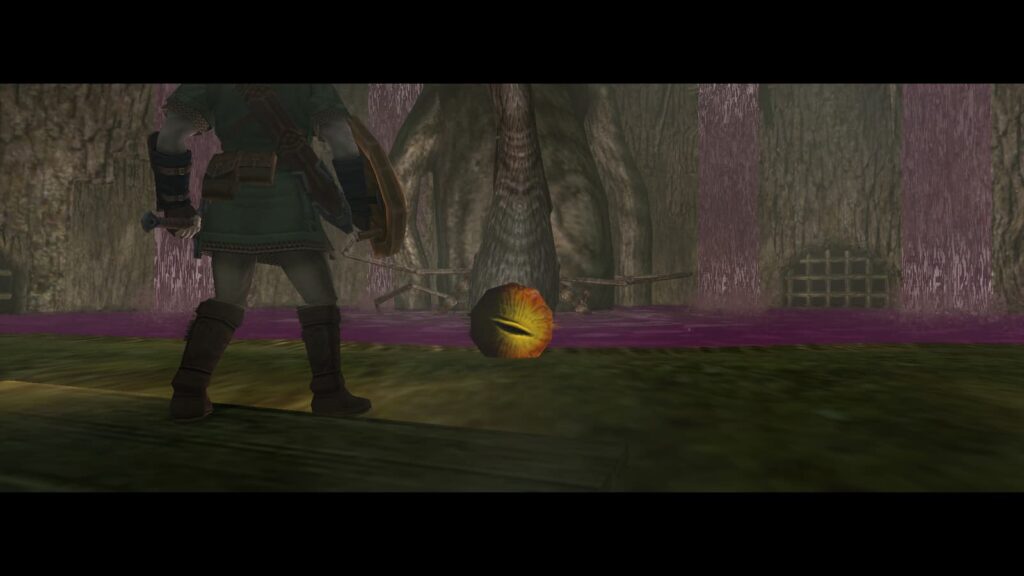
The similarities Twilight Princess has to The Legend of Zelda: Ocarina of Time aren’t exactly subtle. Not only do many dungeons, puzzles, and plot points of this title directly mirror those in Ocarina of Time, but it even uses the same music at many points for direct homages. Some have even (falsely, in my opinion) accused Twilight Princess of being a direct copy of the Nintendo 64 classic.
What gets overlooked when listing the many ways Twilight Princess mirrors Ocarina of Time, however, is how the game takes the well-known Zelda game design formula and uses it to subvert and do new things with those concepts. Key among these is how Twilight Princess changes the ‘Dark World’ concept that is seen in many prior Zelda games.
Many games in The Legend of Zelda franchise feature two worlds to explore. This concept began in The Legend of Zelda: A Link to the Past, where, midway through the game, the player would be transported to a dark mirror of Hyrule that was filled with Ganon’s forces. In the years that have followed, the concept of exploring two different worlds has been prevalent in most Zelda games. In Ocarina of Time, the player would be sent to a dark future timeline. In the Minish Cap, you’d shrink to explore Hyrule from a different size.
Twilight Princess’ version of the Dark World comes in the form of the titular Twilight. Unlike other explorations of this concept, where the change occurs mid-way through the game, Twilight Princess begins with Hyrule being covered in this dusk, with its citizens turning into timeless spirits as monsters roam the land.
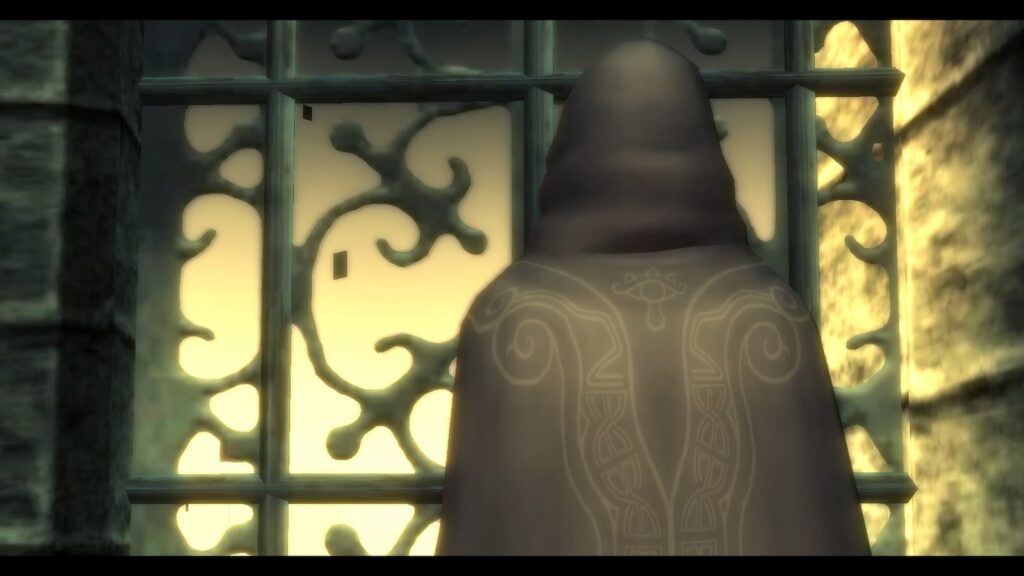
While starting the game in the equivalent of The Dark World would be a novel concept, it isn’t hard to see how it would also be difficult to pull off. The reason why The Dark World in A Link to the Past and the future timeline in Ocarina of Time work is because they subvert the player’s expectations, taking areas they have already explored and twisting them to throw the player off guard. How can the same feeling of the world be twisted and invoked if the player has yet to actually experience that world?
That’s why Twilight Princess’ opening hours are so important. In order to create the largest contrast possible between the normal world and the oppressive Twilight, the player is made to live multiple days in the peaceful farmlife of Link, just on the outskirts of Hyrule, before their peaceful life is taken away from them in the blink of an eye and they’re dragged into the Twilight for their adventure.
On the third day of the player’s life in Ordon Village, the player will begin much like they did the first day; herding goats into the ranch Link works at before heading home. It’s time for Link to leave Ordon Village and deliver a message to Hyrule. All you need to do is hop on Epona and go, but fate has different plants.
Before Link can leave, monsters unlike those seen in the Faron Woods charge through the gates riding on bulls. Not only is one of the kids who Link is friends with kidnapped, another is shot with an arrow. Before Link can even come close to saving them, shadow-like hands drag him into the Twilight. Here, Link loses his human form and transforms into a wolf. His peaceful life has officially come to an end.
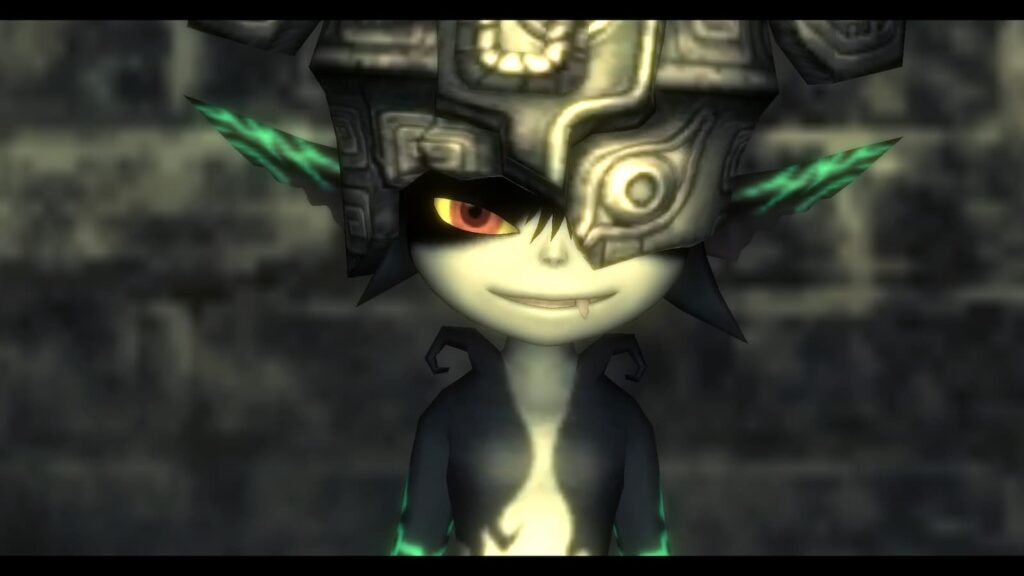
This isn’t the most unique approach to game design in the world; plenty of JRPGs have had similar intros (the Dragon Quest franchise in particular is a fan of this style of opening), but very few Nintendo-developed games have had intros like this. To this day, Twilight Princess still has a very unique introduction when compared to other games in the franchise, with only Skyward Sword’s long tutorial being comparable.
While Twilight Princess’ opening hours have faced a fair share of criticism over the years for how flow they are and how the player doesn’t even get the opportunity to go into a dungeon for nearly four hours of gameplay, I personally really enjoy the slow pace of this intro and how it makes the world feel more alive, teaches the player the basics of the game in a seamless way, and helps the story moment of being pulled into the Twilight Realm have an even bigger impact on the player.


