Want to see Raider King content first? Add us as a preferred source.
Solo Leveling: ARISE OVERDRIVE feels like the kind of game that walked out of a mobile gacha, put on a nicer jacket, and tried to blend in with the premium action‑RPG crowd. Sometimes it pulls that off surprisingly well. Sometimes you can still clearly see the gacha-shaped outline underneath. The result is a flawed but genuinely fun adaptation that lands best if you’re already invested in Solo Leveling and up for a grind-heavy, stats-obsessed brawler that’s still finding its footing.
The first thing that stands out is that this is not a gacha game. There are no microtransactions, no paid pulls, no pay-to-win shortcuts. You buy the game once and everything else is earned by playing. For a series that made its name in the mobile space, that shift matters a lot. Combat, too, is a clear step up from the tap-and-auto-play feel of the original Arise app. Here, your inputs actually matter: you’ve got parries, perfect dodges, counters, skill trees, multiple weapon types, and shadow lineups that let you experiment with builds and playstyles. On hard mode especially, enemies attack more aggressively, react to you better, and can absolutely kill you 100% of the time if you treat them like punching bags.

There’s a nice amount of build freedom on paper. Different weapons, armor sets, artifacts, blessing stones, character and weapon skill trees, shadow combinations, it’s all there to let you tinker. When it comes together, boss fights can be intense and fun, with that satisfying “survived by the skin of your teeth” feeling fans associate with Jin‑woo’s very early struggles.
If you come from the mobile game, the contrast is stark. Overdrive reuses a huge amount of Arise’s assets (enemies, animations, voices, UI ideas) but the actual experience is very different. The mobile version showers you with free power early, lets you roll top hunters quickly, and then turns its story into a weirdly frictionless, grindy treadmill where almost nothing can touch you until you’ve sunk dozens of hours in. Overdrive strips out the gacha, restores real difficulty from the opening hours, and asks you to get better instead of just rolling better. That alone makes it feel like a “real video game” in a way the app never quite did.

The story tracks the webtoon/anime pretty closely, at least up through the White Flame Monarch, and it’s a fairly accurate adaptation. There are new scenes and some solid cinematics sprinkled in, and when the game leans into fully shot cutscenes with good camera work, it feels right. But the storytelling can be uneven. At times, dialogue exchanges fall back into static, visual novel‑style talking heads or manhwa panel dumps that break immersion. The tone and delivery can get awkward, with some cutscenes feeling noticeably subpar compared to others. Voice acting drifts between solid and weird, and you can feel the tension between “we’re trying to be a proper action RPG” and “we’re still kind of structured like a mobile client.”
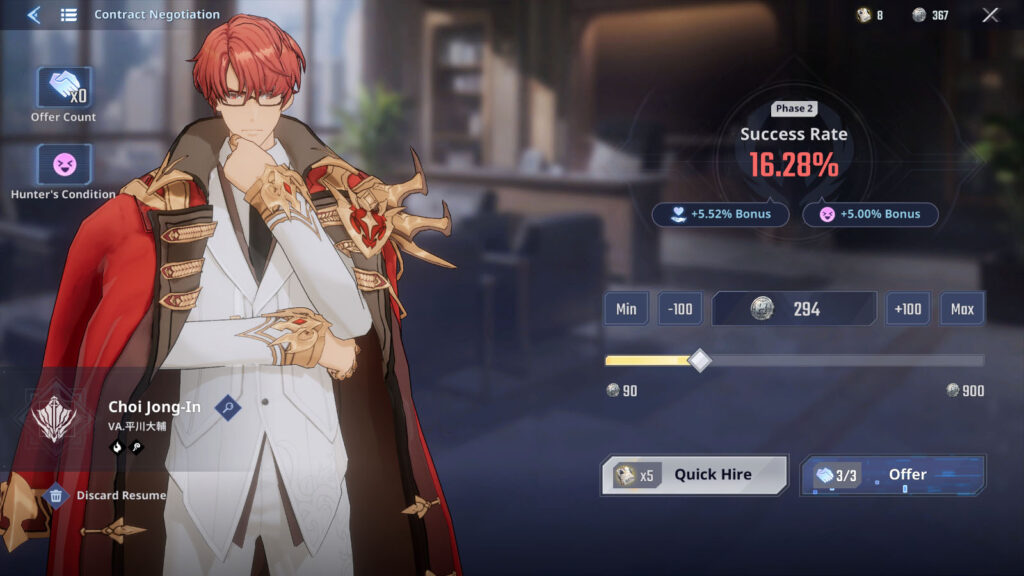
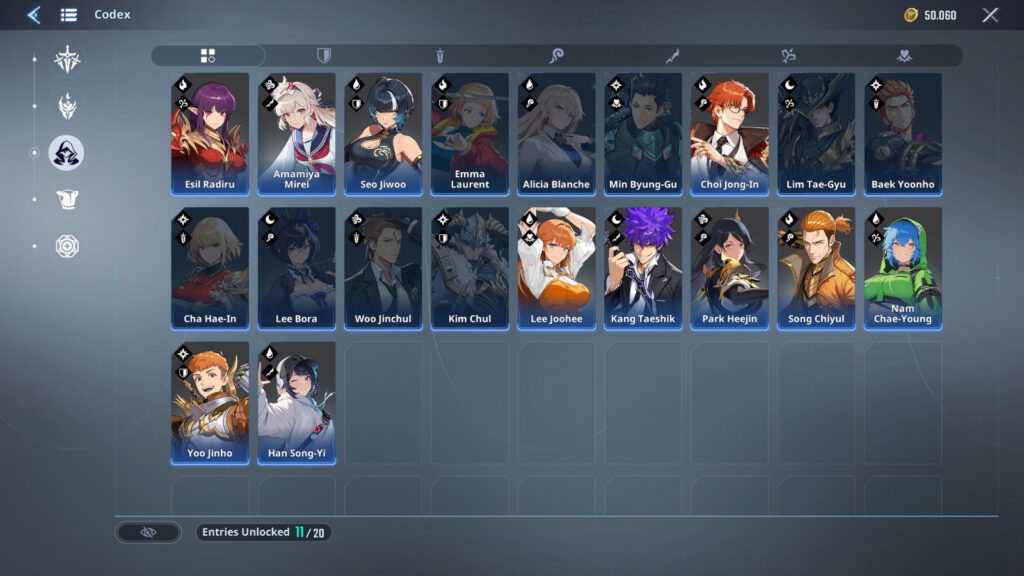
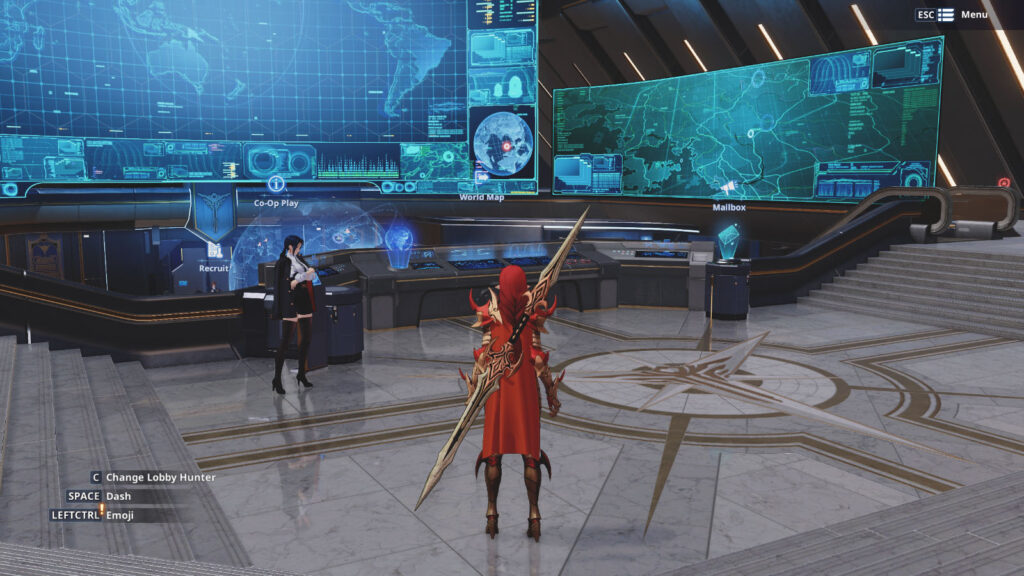
That mobile DNA also shows up in how the game is built and structured. Overdrive carries over battle pass elements, login counters, bond archives, completion codices for weapons and gear, mini‑games in the lobby, and gacha‑adjacent systems like “recruitment” with acceptance probabilities that feel suspiciously like pull rates. None of these pieces are terrible individually, but taken together they give the impression that this is a “premium edition” of Arise rather than a clean-break new game. The endgame reinforces that: modes like Time Battlefield, Bright Light Workshop, and Power of Destruction lean into the same key-gated, leaderboard-chasing structure you’d expect from a live-service title, just without the microtransaction hooks.
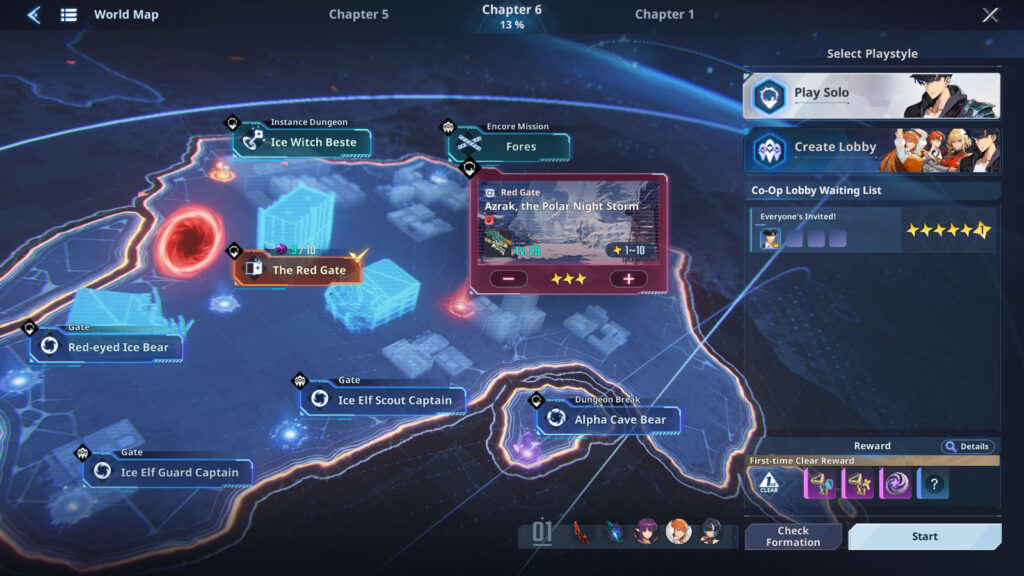
Moment-to-moment, playing Jin‑woo and smashing through dungeons is easily the highlight. Combat is responsive and, for most people, surprisingly bug-free in core single‑player runs. When it works, it really works: fun boss fights, nice enemy variety (especially if you never touched the mobile game), and enough difficulty on hard mode that you actually have to respect the mobs instead of sleepwalking through them. If you enjoy looters and action RPGs and don’t mind a grind, there’s a lot of satisfying repetition here: kill packs, read enemy patterns, perfect your timing, invest in your stats and gear, go back and do it again just a little bit better and faster.
The grind, though, is a double-edged sword. Self-identify grind‑oholics could call the pacing fair. Most would hit 60 hours and feel like they’ve barely made a dent. Resources are rare, loot drops stingy, and XP rewards can be comically low for what you’re doing. Clearing a full Red Gate and walking away with a couple hundred XP feels off. If you like the treadmill, Overdrive gives you one, but it’s not shy about asking you to live on it.
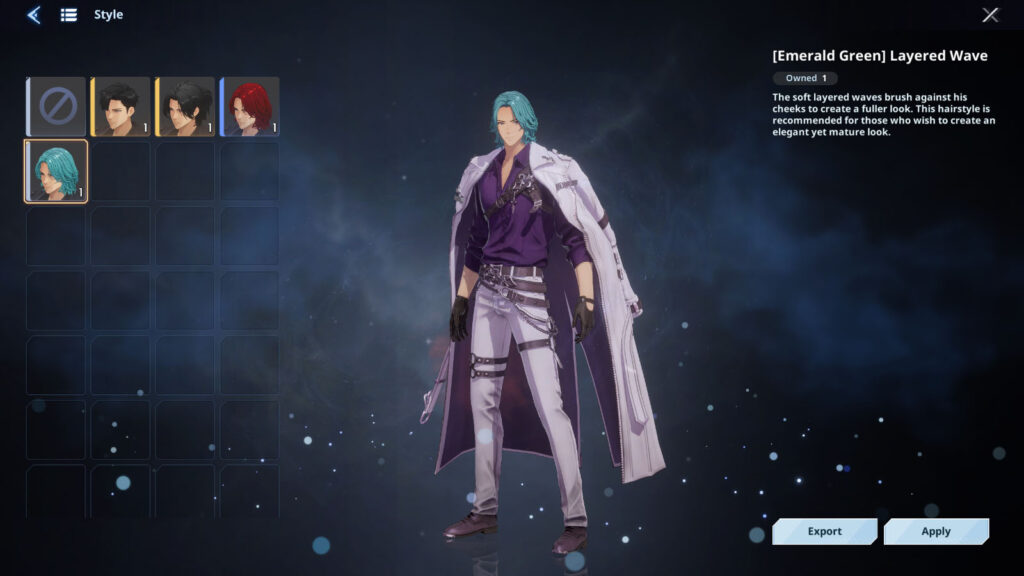
Under the hood, progression can be confusing and opaque. On one hand, you’ve got people digging into scaling and insisting stats do matter: weapons and skills scale differently off strength, agility, vitality, etc., and checking which attributes they rate as S, A, or B really does influence damage if you build around it. On the other, you’ve got players doing extensive respec testing and coming away convinced most stats don’t visibly change anything except vitality, that QTE abilities are the only real DPS, and that endgame gear feels barely better than starter sets even after heavy investment. The UI doesn’t do a great job of explaining how artifacts and weapons work, where key gear drops, or why certain builds perform the way they do. For a game that leans this hard on loot and numbers, being this fuzzy about them undercuts the satisfaction of optimizing.
Weapon and class design add another layer of weirdness. Weapons are tied to classes and stats, but the crafting progression is all over the place. Some weapons skip whole tiers, jumping from B-rank straight to S-rank, or appearing much later depending on which bosses and missions you’ve unlocked. There isn’t a clean E→D→C→B→A→S ladder you can plan around. In practice, that means you often just use whatever strong thing drops, even if it doesn’t really fit your supposed build. It doesn’t help that the game effectively centers everything on Jin‑woo: you recruit other hunters, but you can only use them in a limited number of stages, and by the time you reach endgame content they’re sidelined entirely. Pouring resources into their weapons feels like a waste when 70% of your playtime, and 100% of the endgame, is Sung Jin‑woo only.
That decision has a big impact on co‑op. On paper, Overdrive wants to evoke something like Monster Hunter, God Eater, or Granblue Fantasy Relink: players teaming up with their own builds and weapons to tackle big targets. In practice, everyone’s basically Jin‑woo in slightly different gear, whacking the same boss. When every character looks and plays similarly, a lot of the fun of seeing varied parties evaporates. Co‑op also has its own technical and balance issues: parries and dodges sometimes still let damage through, bosses get fatter health bars and weirdly huge hitboxes, and implementation quirks make group play feel harder or jankier than solo, when co‑op should be the relief valve for tough fights. On top of that, there’s no text chat, no real social tools, no proper friends list, just emojis and clunky numerical codes, so it doesn’t even scratch the “hang out with friends” itch properly.
The always‑online, kernel-level anti‑cheat setup doesn’t help the mood. For what is fundamentally a single-player-first game with optional co‑op, being tethered to servers at all times and running heavy anti‑cheat feels excessive. Players report lag spikes, suspected memory leaks, server errors, and the kind of nightmare scenario where you beat a boss after several tries, go to hit the checkpoint, get a server error, and reload to find yourself back before the fight. At launch, server issues even stopped people from playing the story at all. Offline mode has been promised, but as it stands, the always‑online requirement adds friction where it’s not needed.
On top of the connection woes, there’s Easy Anti‑Cheat failing to do its job in the places where it actually matters. Competitive modes like Time Battlefield are already filled with instant‑kill runs and obviously illegitimate leaderboard times. That undercuts any incentive to chase top performance and makes the endgame feel even more like a shallow extension of the mobile meta. Meanwhile, regular players still deal with the anti‑cheat’s performance cost, lag spikes, and occasional disconnects.
Outside combat, the experience can sag. Quests repeat themselves a lot: kill groups of enemies in an area, clear a mini-boss, move on, repeat. Excessive menuing is a common complaint, with layers of systems and submenus that feel inherited from a phone UI rather than designed for PC and console. Level design leans heavily on segmented dungeons linked by portals and loading screens where an interconnected, exploratory approach would have done the world more favors. Some players fantasize about a fully connected Demon Castle-style mega-dungeon, or being able to actually roam places like the starting hospital, instead of hopping from instance to instance.
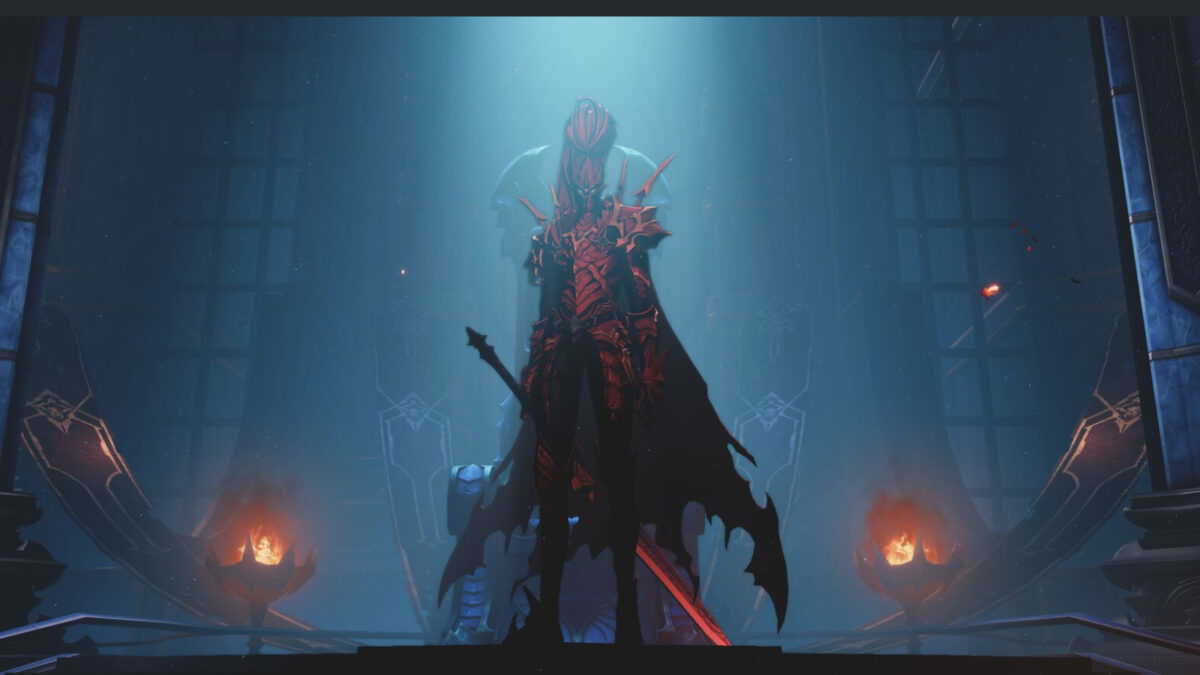
Despite all that, there’s a strong sense that the base game has “good bones.” The universe, bosses, weapons, and overall aesthetic are handled with care. The graphics improve on the mobile version while keeping the sharp anime style that makes Solo Leveling pop. The roster of characters is solid, even if some fan favorites haven’t made the cut yet. For a fan of the series, seeing key moments play out with better animation and more involved combat is genuinely enjoyable. A lot of my frustration comes from a place of “this could have been amazing” rather than “this is garbage.”

What’s here today feels incomplete: short main story, missing later manga arcs, noticeable gaps in playable characters. But it’s also polished enough in its core combat that it’s not just a cash‑in.
So where does that leave Solo Leveling: ARISE OVERDRIVE? Somewhere in the “good, but conditional” bracket. If you’re a Solo Leveling fan, enjoy action RPGs with a bit of souls‑like spice, and don’t mind a heavy grind inside a system that still thinks like a gacha game even without the microtransactions, there’s a lot to like: sharp combat, stylish bosses, faithful adaptation, and the simple pleasure of living out Jin‑woo’s power fantasy by actually playing, not paying. If you’re allergic to always‑online DRM, tired of loot systems that feel more random than rewarding, or hoping for a fully fleshed-out, standalone premium experience that leaves mobile design behind, this isn’t quite that game, at least not yet.
Played with the right expectations, though, Overdrive is an enjoyable Solo Leveling action game wrapped in a slightly confused, grind-heavy shell. It won’t convert skeptics, but for fans willing to meet it halfway, it’s already fun, and it has enough potential that, with the right updates, it could grow into something much closer to the adaptation this universe deserves.
Solo Leveling: ARISE OVERDRIVE
Bottom Line
Solo Leveling: ARISE OVERDRIVE is a stylish action RPG with punchy combat and a faithful early-story adaptation, but it’s held back by grindy, opaque progression, always‑online headaches, and lingering mobile-game baggage. If you like Solo Leveling and enjoy the grind enough to overlook some jank, it’s easy to have fun here.