Want to see Raider King content first? Add us as a preferred source.
Disciples: Liberation was far from perfect, but it had its moments. Despite being tormented by its own issues, it managed to be an enjoyable tactical RPG that carved out its own identity. Disciples: Domination, its newly released sequel, somehow manages to feel both identical to Liberation and worse in almost every measurable way, an impressive feat of disappointing game design that feels less like a sequel and more like expensive DLC that should have stayed in the oven for another year.
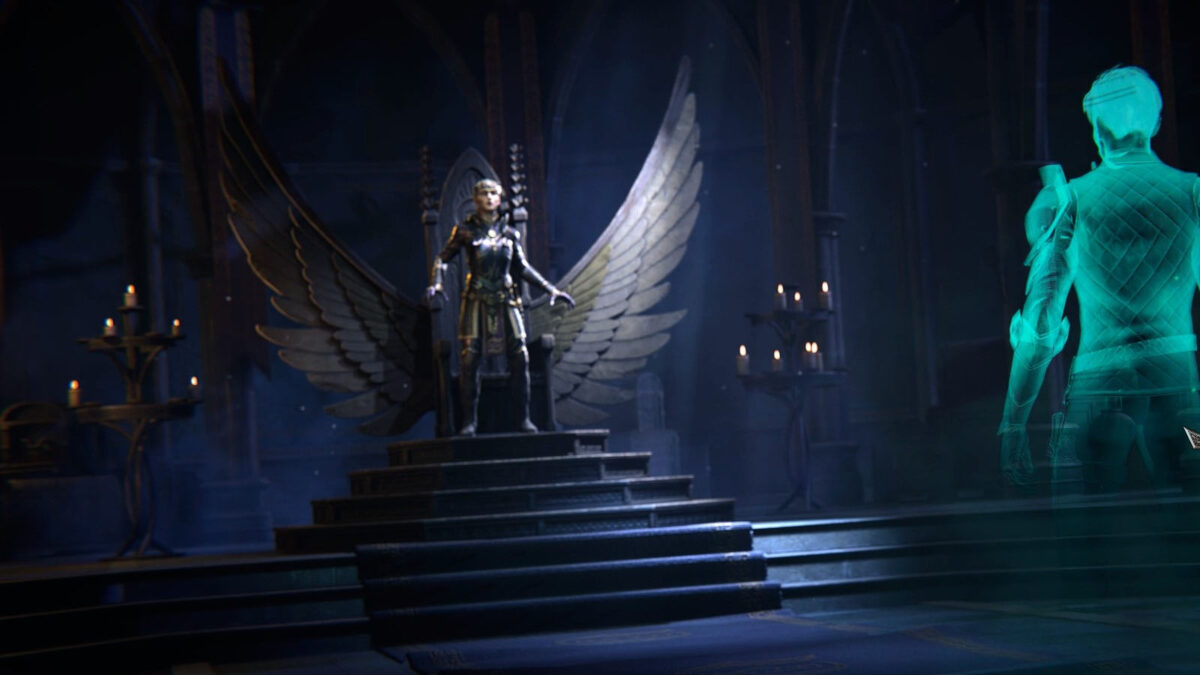
After spending Liberation building Avyanna into a literal godslayer who united the fractured realm of Nevendaar, Domination opens twenty years later with her… having given up? The narrative explanation for why the Queen of Nevendaar, slayer of deities, is suddenly back to whacking training dummies and starting from scratch is bewilderingly lazy.
There’s no cataclysm that stripped her powers. No cosmic entity that cursed her. No dramatic rejection of her divine gifts. The game explains that Avyanna let the emotional weight of ruling get to her, began ignoring Nevendaar’s people and factions, and over time the unity broke apart. Even her companions moved on. While this could have been an interesting exploration of burnout and depression, the execution is so generic and rushed that it feels more like narrative convenience than genuine character development. To make matters worse, several story moments feature characters who flat-out refuse to consider alternatives to suicidal plans, demanding everyone sacrifice themselves together rather than explore options, which makes the writing feel less “dark fantasy” and more “everyone in this kingdom is an idiot.”
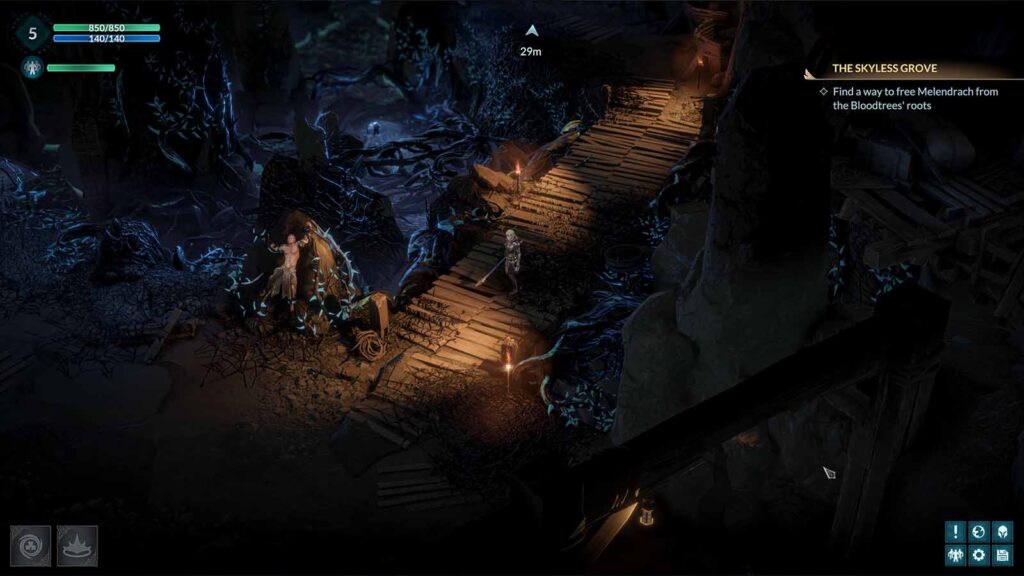
Then there’s Avyanna’s voice performance, which is frankly baffling. After years of ruling, surviving godslaying, and uniting a fractured world, she sounds like an optimistic teenager with a enthusiasm problem rather than a battle-hardened queen with the weight of history on her shoulders. The VA direction completely breaks immersion, it doesn’t fit the character, the setting, or the tone the game is clearly trying to establish. It feels like nobody bothered to brief the voice actress on who exactly Avyanna is supposed to be at this point in her story.
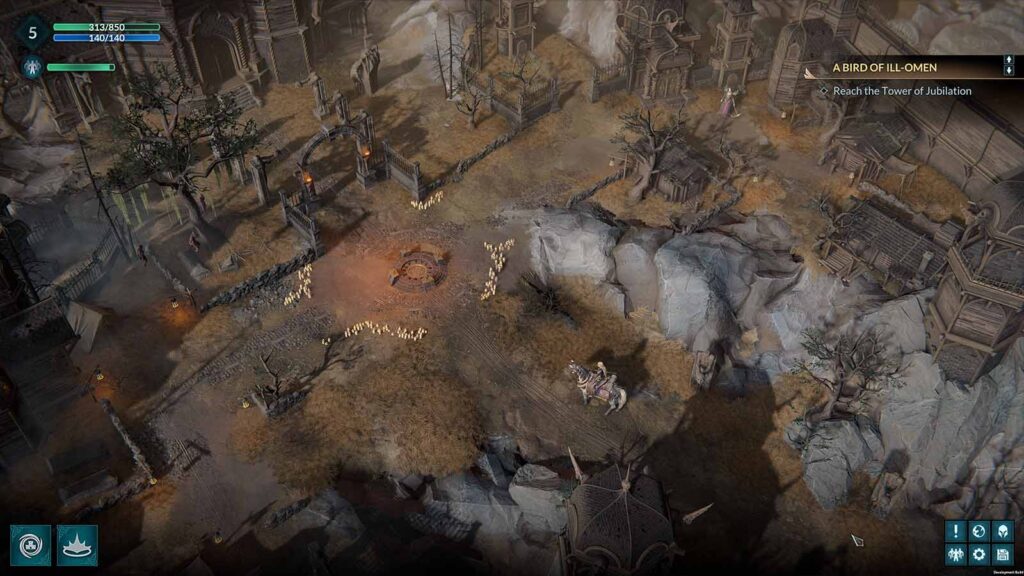
If you’ve played any map-based tactical RPG, think Heroes of Might and Magic or King’s Bounty, you’ll recognize Domination’s structure immediately. You traverse large maps looking for fights, resources, and story triggers while managing an army composition that determines your effectiveness in turn-based battles. The formula hasn’t changed meaningfully from Liberation, which isn’t inherently bad, but when a sequel feels this risk-averse, it raises questions about what you’re actually paying for.
Your army builds around Avyanna as the centerpiece, surrounded by regular combat units, backline support specialists, and companions who provide both battlefield support and unique exploration abilities. Companions stay with you throughout the game once recruited and retain their world map skills regardless of whether they’re in your active roster, a genuinely smart design choice. The leadership point system gates your army composition in theoretically interesting ways, with higher-tier units costing more to deploy and tier unlocks tied to faction affinity. Early game you’re working with weaker forces and late game you can afford a mostly elite roster, though mixing tiers strategically still matters in harder encounters.
Avyanna levels through a skill tree tied to one of four class archetypes, each with two specialization paths. You can respec freely for a nominal gold fee, which encourages experimentation, or would, if the class balance weren’t completely broken. More on that shortly. Equipment follows the standard RPG template: weapons, armor, accessories with stat boosts. The Throne Room is a new addition that provides upgrade options, and many battles now have secondary objectives that reward gear on completion.
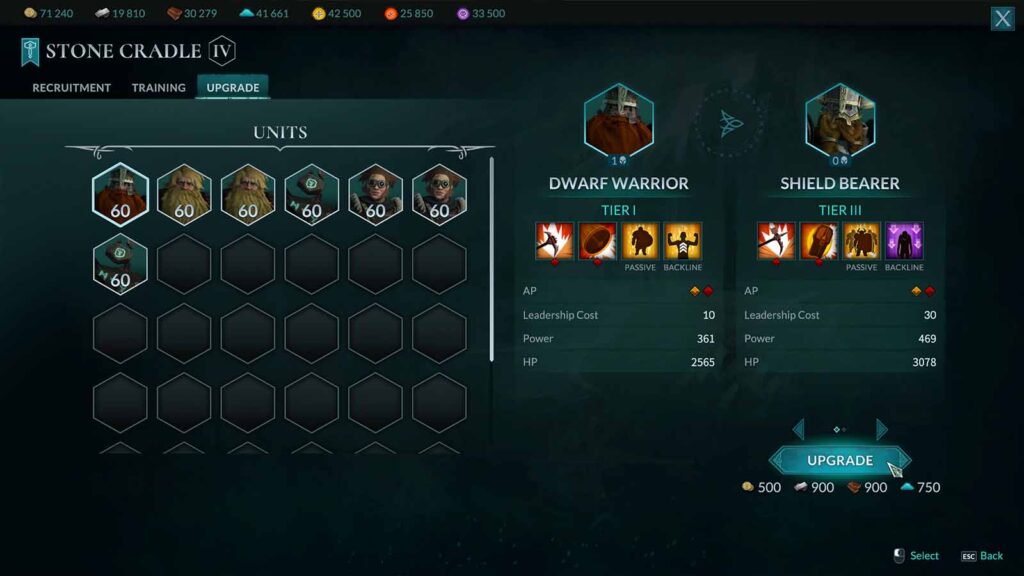
The biggest legitimate content addition is the Dwarf faction, which genuinely expands the strategic roster and gives players a fresh angle. Teleport pads reduce the walking simulator aspects of Liberation, and you can now port home from inside dungeons instead of trudging back through emptied corridors. Mana also regenerates passively now instead of requiring fountain visits. These are welcome changes, though the bar they clear is “things that should have been in the previous game.”
Here’s the problem: most of those systems don’t actually feel good in practice, and several represent active downgrades from Liberation.
Take the unit roster. Liberation offered real variety: phase-shifting units, dragons, faction diversity that rewarded mixing and matching across armies. Domination ships with 11 units per faction, allegedly trimmed of redundancies, but the result is a roster that feels limited rather than refined. Worse, the backline system has been redesigned so that support units only truly synergize within their own faction, which kills the creative cross-faction army building that made Liberation’s late game interesting. Previously you could combine units from different factions for unexpected synergies, now you’re essentially locked into faction-specific packages.
And then there’s the balance, which is catastrophically broken. The Empire faction is so overpowered that choosing them and building around the Holy path essentially disables the game’s difficulty. The combination of healing and specific damage abilities trivializes encounters, including fights against enemies more than ten levels above you, on Hard mode. Encounters that should be dangerous become interactive loading screens. When one faction’s synergies can defeat enemies a decade of levels above yours without breaking a sweat, your game balance team has failed.
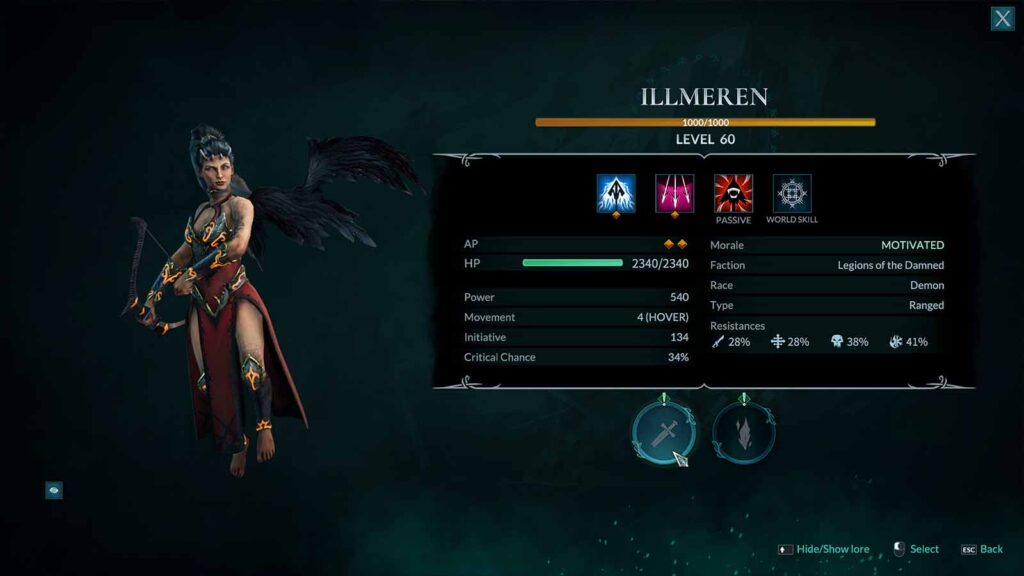
Heroes, meanwhile, feel surprisingly weak, barely more impactful than high-tier regular units in many situations, which is a strange design decision for characters that are supposed to be the cornerstone of your army.
The reputation system deserves its own mention because it’s a fascinating example of a mechanic that sounds good and feels hollow. Maintaining good standing with Nevendaar’s factions is easier than it was in Liberation, which should be a positive. Instead it reveals a deeper problem: improving reputation now feels purely transactional, like paying a fee to unlock a service. You spend resources, reputation goes up, done.
Liberation forced you to actually engage with faction politics: dialogue mattered, context mattered, choices had consequences that affected inter-faction relationships. Domination’s main questline does deliver some genuinely well-written moments with meaningful decisions, but the moment-to-moment reputation management feels like a store checkout rather than political navigation. The soul of the faction system has been replaced by a resource sink.
Domination looks better than Liberation on a technical level. There’s new animations, improved visual fidelity, and the art design that has always been Disciples’ strong suit remains intact. The Legion of the Damned redesign from the previous game that turned gothic fallen angels into generic orange spike monsters is still there and still baffling, but the broader visual identity of Nevendaar remains distinctive and appealing.
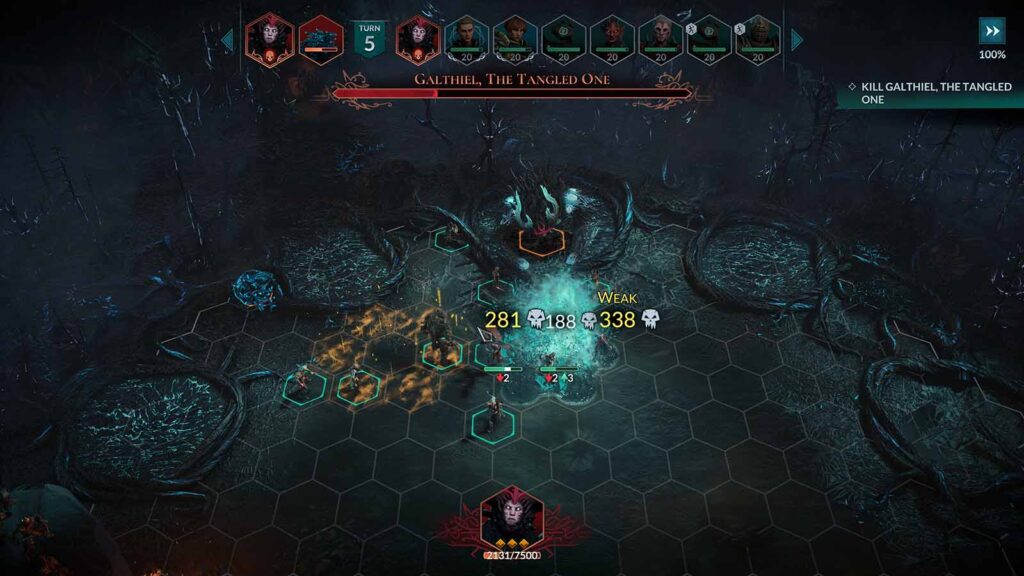
The problem is that better-looking animations don’t equal better-feeling animations. The soul of the combat presentation is largely missing. Units that previously had impactful, visually distinct abilities have been downgraded to lazy substitutes. A demon that used to erupt in a pillar of lava now leaves a small puddle on the ground. Necromancer skills that once filled the screen with choking poison clouds now feature effects so understated you might miss them. The visual feedback that makes tactical combat feel satisfying has been quietly gutted, and the difference is more noticeable than you’d expect.
The one shining exception is the boss fights. Bosses have genuinely impactful mechanics and distinct visual presentation that make them feel like meaningful encounters. It’s the one area where Domination consistently delivers, and it makes you wish the same care had been applied to regular combat.
Domination launched in a state that can generously be described as “unfinished beta.” Keybindings randomly fail to persist between sessions. Gear unequips itself without warning. Companion dialogue resets constantly, forcing you to sit through identical introductions every time you revisit them, and those conversations still show up marked as “new” despite you having heard them a dozen times.
Critical progression moments occasionally grey out the continue button, forcing hard resets that kill narrative momentum. Finishing blow sound effects stutter horribly. Subtitles don’t match voice acting. And then there’s the auto-resolve problem: the game disables automatic battle resolution for encounters with significant level advantages for seemingly no reason, forcing you to manually slog through fights against enemies twelve levels below you because they happen to be standing near a resource building. If the game allowed auto-resolving fights where you have a five-plus level advantage, it would cut at least ten hours of padding from the runtime.
The most damning criticism of Domination is how shamelessly it recycles Liberation’s assets. Most of the units are the same. Most of the spells are the same. Most of the art is the same. Most of the mechanics are the same. The music is recycled. The UI layout is nearly identical. Map structure and progression follow the exact same formula.
As a full-priced sequel this is unacceptable. As an expansion pack priced like an expansion pack, it would be fine. Domination sits in that uncomfortable middle ground where the content volume justifies calling it a standalone release but the recycled foundation makes paying full sequel price feel insulting. The game forces you into so many pointless filler fights to pad its runtime that the actual new content gets buried under repetitive busywork.
For complete newcomers who never experienced Liberation, Domination might provide 20-30 hours of serviceable tactical RPG gameplay, assuming you can tolerate the bugs, performance issues, and broken balance. The core mechanical loop works. The Dwarf faction is a genuine addition. Boss fights are legitimately good. And if hex-grid strategy is your genre, you will probably find something to enjoy here despite everything.
But for anyone who invested time in Liberation, Domination is a profound disappointment. It’s a game that learned little from its predecessor’s mistakes while actively making certain things worse.
Disciples: Domination had every opportunity to refine Liberation’s formula, fix its glaring problems, and deliver a worthy successor. Instead it regressed in nearly every area that mattered: stripped faction synergies, broken balance, downgraded animations, a hollow reputation system, a protagonist who sounds like she forgot everything that happened in the previous game, and a technical state that suggests minimal QA investment before launch.
If you loved Liberation and desperately need more Nevendaar content regardless of quality, wait for a discount and multiple patches. If you’re new to the series, Liberation itself is cheaper and delivers the same experience without the regression. If you’re hoping to recapture the magic of classic Disciples, this still isn’t the answer.
Disciples: Domination
Bottom Line
Disciples: Domination is a functional but uninspired sequel that feels more like overpriced DLC than a true follow-up to Liberation. With recycled assets, tedious combat from the start, catastrophic technical issues, broken balance, and zero meaningful improvements over its predecessor, it's hard to recommend at full price.